Analysts Criticize Stephen Miller’s ‘Unconscionable’ AI Surveillance Plan Exposed
Stephen Miller’s newly revealed AI surveillance project draws sharp criticism for ethical violations and privacy risks.
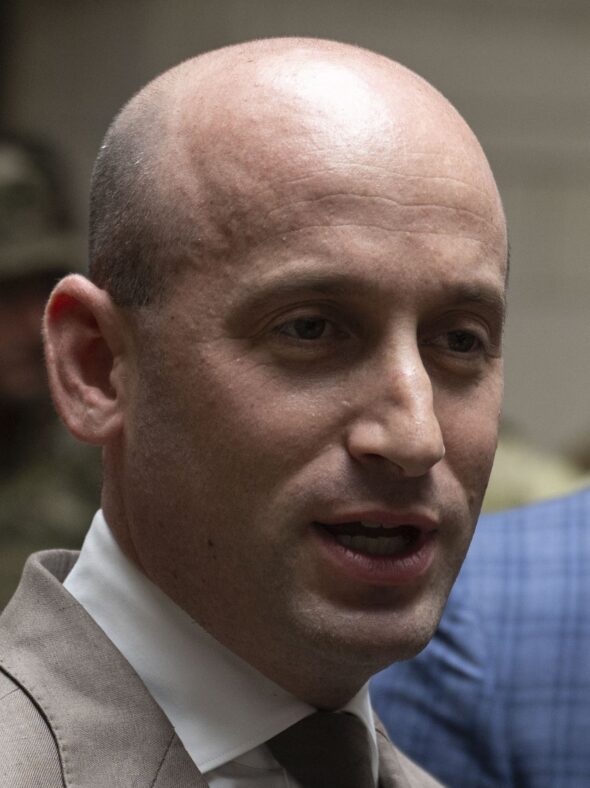
U.S. Secretary of Defense/Wikimedia Commons
Stephen Miller, a prominent political strategist and former senior adviser, has come under fire after details of his latest AI-driven surveillance project were exposed this week. The plan, revealed through leaked documents on September 24, 2026, proposes deploying advanced artificial intelligence technology to monitor and classify American citizens’ online behavior on an unprecedented scale. Analysts and privacy advocates across the country have condemned the initiative as “unconscionable” and a grave threat to civil liberties.
Details of Miller’s AI Surveillance Proposal
According to the leaked material, Miller’s plan centers around creating an AI system capable of scanning social media posts, emails, and web activity to identify so-called “threat indicators” linked to dissent or nonconformity. The system would use machine learning algorithms to assign risk scores to individuals based on their digital footprint, enabling enforcement agencies to prioritize surveillance and intervention efforts. The documents suggest the technology could be integrated with existing law enforcement databases and even private sector data sources, raising concerns about mass data aggregation.
Notably, the proposal includes language encouraging the use of predictive analytics to forecast potential unrest or protest activities before they occur. This preemptive approach has alarmed civil rights groups, who warn it could suppress free speech and peaceful assembly.
Reaction From Technology Experts and Civil Liberties Advocates
Experts in AI ethics and cybersecurity reacted swiftly to the revelations. Dr. Lisa Hammond, a professor of computer science specializing in algorithmic fairness, described the plan as “a dangerous overreach that weaponizes AI against citizens rather than protecting them.” She emphasized that predictive surveillance systems are prone to bias and error, which could lead to wrongful targeting of innocent individuals.
Civil liberties organizations such as the Electronic Frontier Foundation and the American Civil Liberties Union issued joint statements condemning the plan. They highlighted the lack of transparency, oversight, and accountability mechanisms in Miller’s proposal, urging Congress to investigate and block any attempts to implement such technology.
“This is not just a technological issue; it’s a fundamental attack on democracy and privacy,” said ACLU spokesperson Jordan Reed. “Unchecked mass surveillance threatens the very freedoms Americans cherish.”
Political Implications Amid President Trump’s Administration
The exposure of Miller’s AI surveillance initiative takes place under the current administration of President Donald Trump, now in his second term. Miller, known for his hardline policy stances during previous administrations, reportedly maintains close advisory ties with influential figures within the Republican Party.
While President Trump has not publicly commented on the leaked documents, several Republican lawmakers have expressed cautious support for enhanced technology tools in law enforcement, citing national security concerns. However, some members of Congress have also voiced unease about potential civil rights violations and the risk of abuse inherent in such expansive surveillance programs.
Democratic leaders have called for immediate hearings and legislative action to prevent unauthorized mass surveillance, framing the issue as a bipartisan threat to constitutional rights.
Challenges in Regulating AI Surveillance Technology
Regulating AI-powered surveillance remains a complex and evolving challenge. Experts agree that existing legal frameworks struggle to keep pace with rapid technological advancements. Key issues include defining privacy boundaries, ensuring algorithmic transparency, and preventing discriminatory outcomes.
Policy analysts suggest a combination of legislative oversight, independent audits, and public accountability measures to mitigate risks. In the case of Miller’s proposal, the scale and secrecy of the project raise additional concerns about democratic governance and ethical use of AI.
As AI technologies become increasingly embedded in public safety and security operations, balancing innovation with fundamental rights will be critical for policymakers nationwide.
The exposure of Stephen Miller’s AI surveillance plan has ignited a fierce debate about privacy, technology, and the limits of government power. As calls for transparency and regulation intensify, the unfolding controversy underscores the urgent need for informed public discourse on the future of AI in society.