Iran Agrees to Resume International Nuclear Inspections After Switzerland Talks, U.S. Vice President Vance Says
U.S. Vice President JD Vance announced that Iran will allow International Atomic Energy Agency inspectors back into the country following recent negotiations in Switzerland.
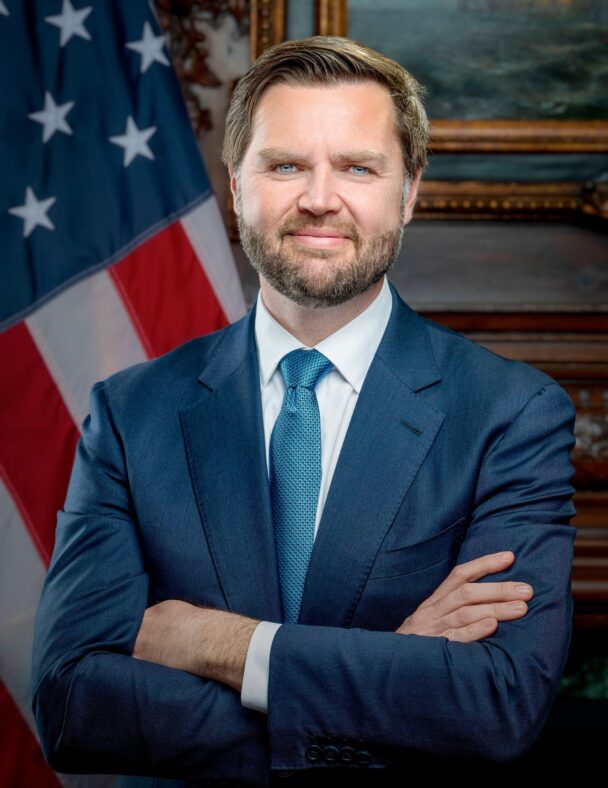
Daniel Torok/Wikimedia Commons
U.S. Vice President JD Vance announced Monday that Iran has agreed to permit international nuclear inspections to resume, following a round of talks in Switzerland. Vance characterized the development as a “major milestone for the American people” and a crucial initial step toward “permanently denuclearizing or permanently ending a nuclear weapons program in Iran.”
The agreement was reached during negotiations that began Sunday at the Bürgenstock resort near Lake Lucerne, involving U.S. and Iranian officials, with mediation from Qatar and Pakistan. Vance indicated that conversations with inspectors from the United Nations’ International Atomic Energy Agency (IAEA) could commence as early as Monday, with inspections potentially resuming within the week.
This marks a significant shift, as IAEA inspectors had been barred from Iran’s primary nuclear facilities since June 2025, following reported U.S. and Israeli strikes on the country. Iran had suspended its cooperation with the IAEA in response to these actions.
The inspections regime was a key component of the 2015 Joint Comprehensive Plan of Action (JCPOA), a nuclear deal negotiated by the Obama administration, which the Trump administration later abandoned. Experts estimate that Iran currently possesses approximately 440 kilograms (970 pounds) of uranium enriched to 60 percent, a level considered close to weapons-grade, which inspectors have not monitored since June 2025.
Beyond the nuclear issue, the talks aimed to solidify a fragile ceasefire, established last week, into a more comprehensive peace agreement. Discussions also covered other critical regional concerns, including ensuring safe transit through the Strait of Hormuz and establishing a ceasefire in Lebanon.
Participants agreed to establish a line of communication to prevent incidents and miscommunication in the Strait of Hormuz, a vital waterway for commercial vessels. Additionally, a “deconfliction cell” involving the U.S., Iran, and Lebanon is to be created to uphold a ceasefire on all fronts, including in Lebanon.
As part of the broader agreement, Washington is expected to lift sanctions on Iran’s oil exports. There were also discussions regarding unfreezing Iranian assets, with U.S. officials proposing provisions to ensure these funds are used for purchasing U.S. agricultural products like soy, corn, and wheat, thereby benefiting the Iranian populace rather than funding terrorism. However, Vice President Vance refuted claims of an immediate release of $24 billion in frozen funds, stating such a figure does not appear in the negotiated texts.
The negotiations faced challenges, with statements from President Trump reportedly infuriating the Iranian delegation and nearly causing them to withdraw on Sunday. Vance noted that technical talks are set to continue in Switzerland throughout the week, with mediators from Qatar and Pakistan remaining engaged. The memorandum of understanding signed last week established a 60-day timeframe, until August 16, for reaching a comprehensive deal.