Jasmine Crockett Says Her Senate Loss Was a ‘Racist Race.’ The Numbers Tell a More Complicated Story
Jasmine Crockett labels her Texas Senate primary loss as racist, but voting patterns reveal a complex mix of factors.
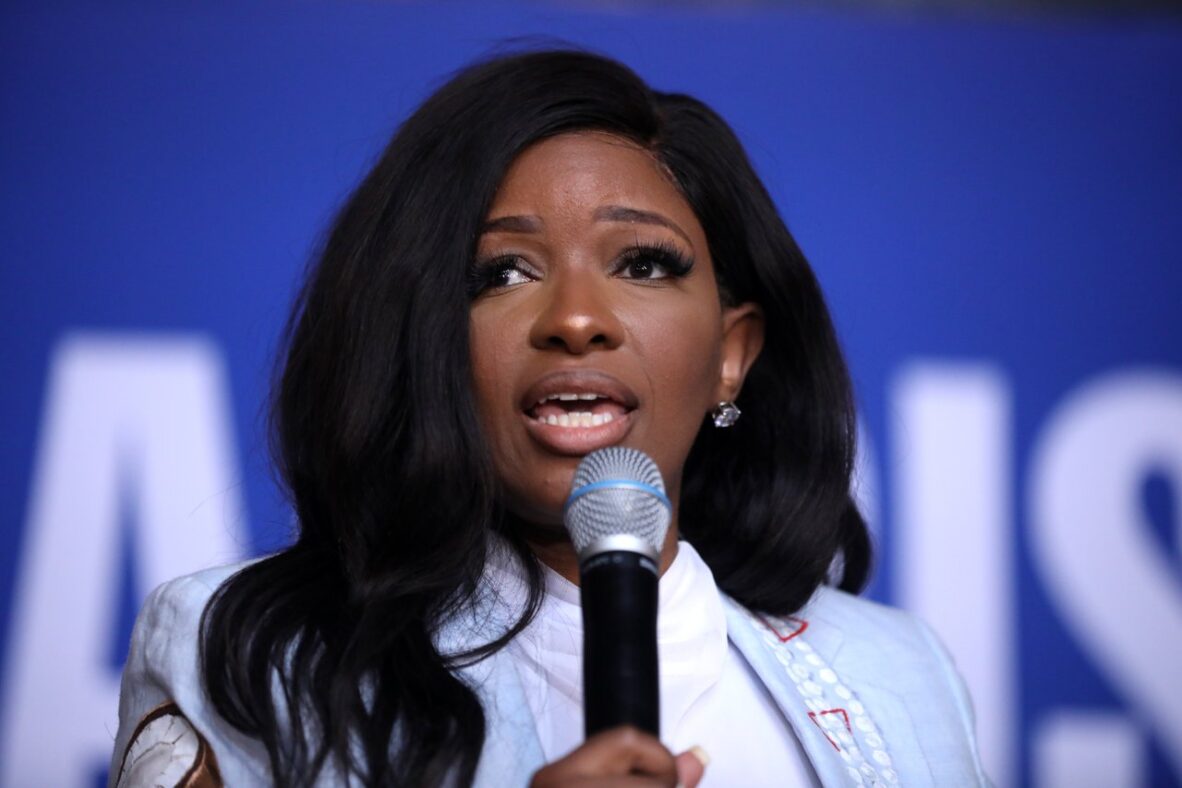
Gage Skidmore/Wikimedia Commons
Dallas Congresswoman Jasmine Crockett has not softened her stance on her recent defeat in the 2026 Texas Democratic Senate primary. Speaking at the Essence Festival in New Orleans in July 2026, Crockett bluntly described the race as “racist,” reigniting heated discussions about race, representation, and electability within the Democratic Party. Yet, the election results and campaign dynamics suggest a far more complicated story than a single cause.
Crockett’s Claim of a ‘Racist Race’ and Her Post-Election Stance
Four months after losing the March 2026 primary to State Rep. James Talarico, Crockett openly accused the race of racial bias. She rejected calls to campaign alongside Talarico in the general election, emphasizing that she would not simply “hold his hand.” Instead, Crockett plans to focus her efforts on promoting lesser-known Black candidates in down-ballot races, aiming to increase voter turnout across Texas’ diverse Democratic base.
Despite the sharp rhetoric, Crockett initially congratulated Talarico and urged party unity following the primary. She acknowledged the importance of a unified Democratic front to flip Texas blue but stopped short of taking personal responsibility for delivering Black voters to Talarico’s campaign. “I am nobody’s footstool,” she said, underscoring her commitment to grassroots political organizing within Black communities rather than serving as a symbolic campaign accessory.
Racial Dynamics Played a Role but Intersected With Other Factors
The Democratic primary unfolded against a backdrop of racial tension. Crockett dominated the Black vote, while Talarico won strong support from White and Latino voters, particularly in rural and traditionally Republican-leaning areas. Some of Crockett’s supporters viewed critiques of her electability as veiled racial attacks, highlighted by a pro-Talarico ad warning voters, “If she wins, we lose.” The ad’s use of dark filters on footage featuring Crockett and other Black figures drew accusations of racial insensitivity.
The campaign was further complicated by allegations that Talarico disparaged former Rep. Colin Allred with racially charged language—claims he denied, attributing his criticism to political performance rather than race. These incidents fueled perceptions that race was a persistent undercurrent throughout the contest.
Financial Disparities and Voting Issues Influenced the Primary Outcome
Money also played a decisive role. Talarico and supportive outside groups outspent Crockett by nearly five to one, with roughly $23 million spent on his behalf compared to Crockett’s $4.3 million. This funding gap translated into a significantly broader advertising presence and campaign infrastructure advantage for Talarico.
Election Day itself was marred by confusion in Dallas County, Crockett’s political stronghold. Changes to polling locations and hours led to some voters being turned away or uncertain about where to cast ballots. Legal battles ensued over whether late-arriving votes would be counted. Talarico condemned these disruptions as voter suppression, calling for every vote to be counted. These issues likely affected turnout and complicated the final vote count.
Numbers Show Crockett’s Strong but Insufficient Support
Despite losing, Crockett’s vote total was notable. She received roughly 46% of the Democratic primary vote, translating to over 1 million votes—more than double the number secured by the last Democratic Senate nominee in 2024. This demonstrated her ability to mobilize a substantial segment of the electorate, especially within Black communities.
However, Talarico’s 52.4% share was enough to secure the nomination, propelled by his broader appeal across racial and geographic lines and the advantages of greater funding and organizational reach. The results underscore that while race was a key element of the campaign, it was intertwined with other critical factors such as campaign strategy, funding, regional voter preferences, and voting conditions.
Jasmine Crockett’s assertion that her Senate primary loss was a “racist race” reflects real frustrations about race and representation in Texas politics. Yet, the election’s complexity defies a simple explanation. The campaign highlighted ongoing challenges around race, money, and voter access that will continue to shape Democratic contests in Texas and beyond.