House Probe Alarms Sound After Rep. Max Miller Accused of Evidence Tampering
Rep. Max Miller’s House Ethics probe deepens after documents he submitted were found altered, sparking allegations of evidence tampering.
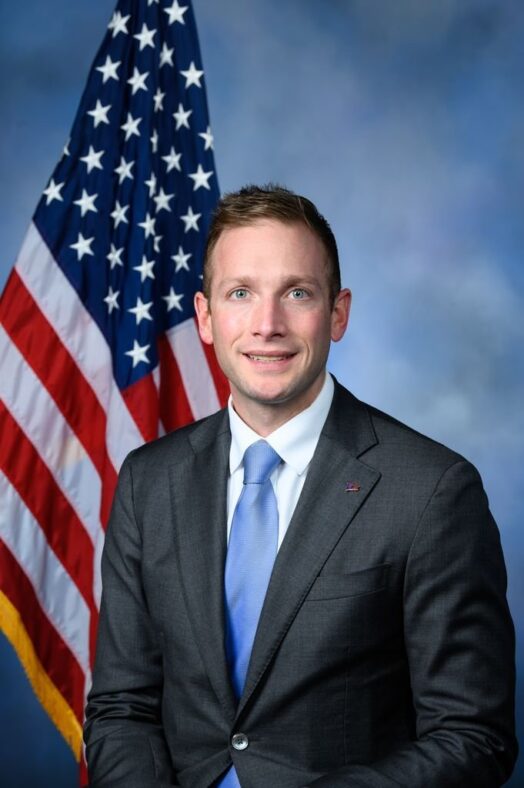
United States Congress/Wikimedia Commons
Rep. Max Miller (R-OH) has come under intense scrutiny after alarms were raised that documents he submitted in a House Ethics investigation appeared to have been tampered with. The controversy erupted this week when metadata showed the files originated from Miller’s congressional office before being altered to suggest outside legal authorship, raising concerns over potential evidence manipulation amid ongoing allegations against the Ohio lawmaker.
Details of the Document Alterations
The documents in question were part of a Dropbox folder Miller shared as evidence in his self-requested House Ethics probe, which relates to serious assault allegations leveled against him. Initially, the metadata on four key documents indicated the author as “Office of Rep. Max Miller – Legal Counsel,” implying they were produced using congressional resources — a potential violation of House rules. After media inquiries, Miller’s personal attorney, Aaron Minc, reportedly changed the metadata to read “Minc Law LLC,” prompting concerns about intentional tampering.
Among the files were transcriptions of phone calls between Miller and his ex-wife, Emily Moreno, as well as recordings and records that Miller asserts support his denial of child abuse and domestic abuse allegations. One document explicitly noted that all factual claims made in Miller’s public statements were backed by exhibits included in the packet.
House Ethics Investigation and Legal Implications
The Ethics Committee launched its investigation following Miller’s own request, aiming to clarify the legitimacy of the allegations and the evidence presented. Legal experts and political observers quickly flagged the metadata alterations as potentially illegal evidence tampering. Lawyer and activist Cheyenne Hunt publicly remarked, “To be clear, this could absolutely be illegal evidence tampering,” while former GOP congressman George Santos called the situation “lovely” in a sarcastic comment highlighting the gravity of such accusations.
Miller’s chief of staff, Phil Poe, told Politico that the metadata issue might stem from the use of artificial intelligence tools and emphasized that the law firm Minc Law LLC handled the document production and Dropbox folder creation. Poe also clarified that Miller’s congressional office does not employ anyone titled “Legal Counsel,” suggesting the initial metadata was likely erroneous rather than intentional.
Political Fallout and Public Reaction
The revelations have sparked a wave of criticism and skepticism around Miller’s handling of the evidence and the ongoing Ethics investigation. Online discourse has been rife with calls for transparency and accountability amid the swirling allegations against the congressman. The controversy adds to the already fractious political environment within the Republican Party, with some commentators viewing the Miller case as reflective of deeper issues in congressional ethics enforcement.
Despite the mounting pressure, Miller steadfastly denies all allegations of abuse. His camp insists the documents were shared to ensure that media reporting on the allegations could be cross-checked against primary evidence. The Ethics Committee’s inquiry remains open, with no immediate timeline announced for its conclusion.
Context and Broader Implications
The Miller case underscores ongoing challenges in congressional investigations involving sensitive personal allegations and evidence handling protocols. It also raises questions about the use of digital tools like AI in document preparation and the potential for metadata manipulation, which could complicate future probes. The situation serves as a cautionary tale for lawmakers navigating legal scrutiny while maintaining compliance with House ethics rules.
As the investigation unfolds, all eyes remain on Miller and how the Ethics Committee will address the issues surrounding the disputed documents. The outcome could have significant implications not only for Miller’s political future but also for standards governing evidence submission in congressional inquiries.
Rep. Max Miller’s case continues to develop, highlighting the intersection of technology, law, and political accountability in Washington.