Kaitlan Collins Calls Out White House Over Oval Office Coverage Block
CNN anchor Kaitlan Collins says White House blocked network from Trump’s Oval Office event, sparking a sharp response from the administration.
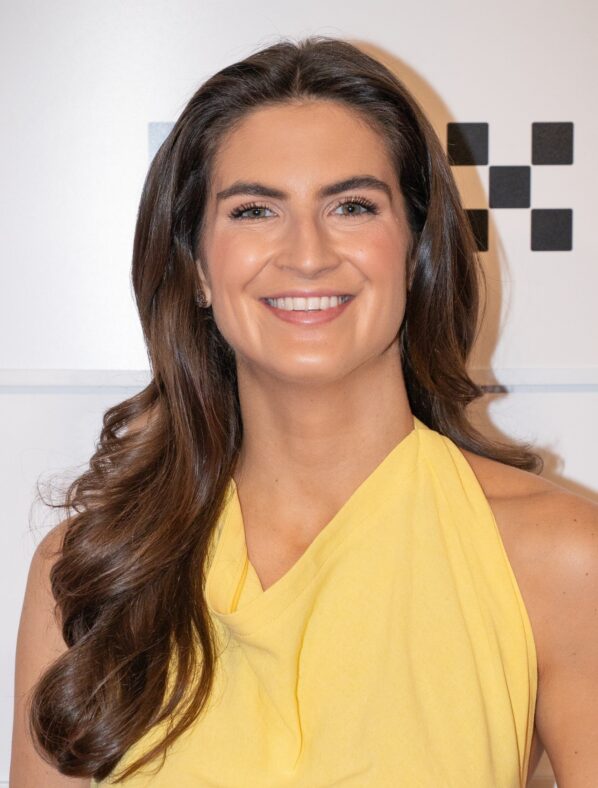
CaseyJNewell/Wikimedia Commons
CNN anchor Kaitlan Collins ignited tensions with President Donald Trump and his White House team after revealing that CNN was blocked from covering the president’s Oval Office signing event. The incident highlights the ongoing feud between Collins and the White House amid disputes over media access and coverage.
Oval Office Event Coverage Denied to CNN
During an event where President Trump declared the Oval Office a national monument, Collins disclosed on X that CNN, which was scheduled to serve as the television press pool for five networks, was barred from attending. She stated, “CNN was scheduled to be today’s TV pool. But the White House blocked us from being allowed in for the president’s event in the Oval Office that’s now underway.” This exclusion meant that none of the five networks would have audio or video of the president’s remarks.
The White House’s Rapid Response 47 X account quickly responded by sharing a link to its own live broadcast of the event on YouTube, sarcastically noting, “If only his remarks were broadcasted online, free to anyone who wanted them. Oh, wait.”
Escalating Feud Between Collins and Trump
This latest clash is part of a broader, escalating conflict between Collins and President Trump. In September, Trump snapped at Collins during a U.N. event in New York, telling her, “I’m surprised that CNN is here covering me. You should not be here covering me. You said you weren’t going to cover me. You shouldn’t be covering me.” Collins defended CNN’s coverage on Anderson Cooper 360°, saying, “The president is the one who’s trying to dictate how we cover him. And of course, it is still our job to do so.”
Following that encounter, Trump posted two midnight messages on Truth Social targeting Collins and CNN, including a video mocking a fictional CNN reporter as someone who “tells lies all day long.”
Legal Rulings and Previous Incidents
The feud has legal and public dimensions. Last month, a federal judge ruled that Trump could not ban CNN, MSNBC, and Politico from covering him at the White House. This ruling followed the Trump administration’s decision in September to deny these outlets access.
The tension between Trump and Collins dates back further. In February, after Collins questioned Trump about the Epstein files, he called her “the worst reporter,” remarking, “She’s a young woman. I don’t think I’ve ever seen you smile. I’ve known you for 10 years. I don’t think I’ve ever seen a smile on your face.” During the July White House Correspondents’ Association dinner, Trump attempted to joke that he had mistaken Collins for transgender influencer Dylan Mulvaney, further intensifying their public sparring.
White House and Media Relations in Focus
The incident raises questions about media access and the Trump administration’s approach to press coverage. While the White House broadcasts events on its own platforms, barring major news networks from physical attendance limits journalistic oversight and shared coverage responsibilities. Collins’ post and the White House’s response underscore the continued friction between the administration and certain media outlets.
As the dispute unfolds, both Collins and the White House remain at the center of a broader debate on press freedom and presidential accountability.