Karl Rove Blasts GOP, Declares He’s Voting Democrat Over ‘Infiltration’
Veteran GOP strategist Karl Rove says he’s voting Democrat, condemning his party’s shift toward bigotry and conspiracy theories.
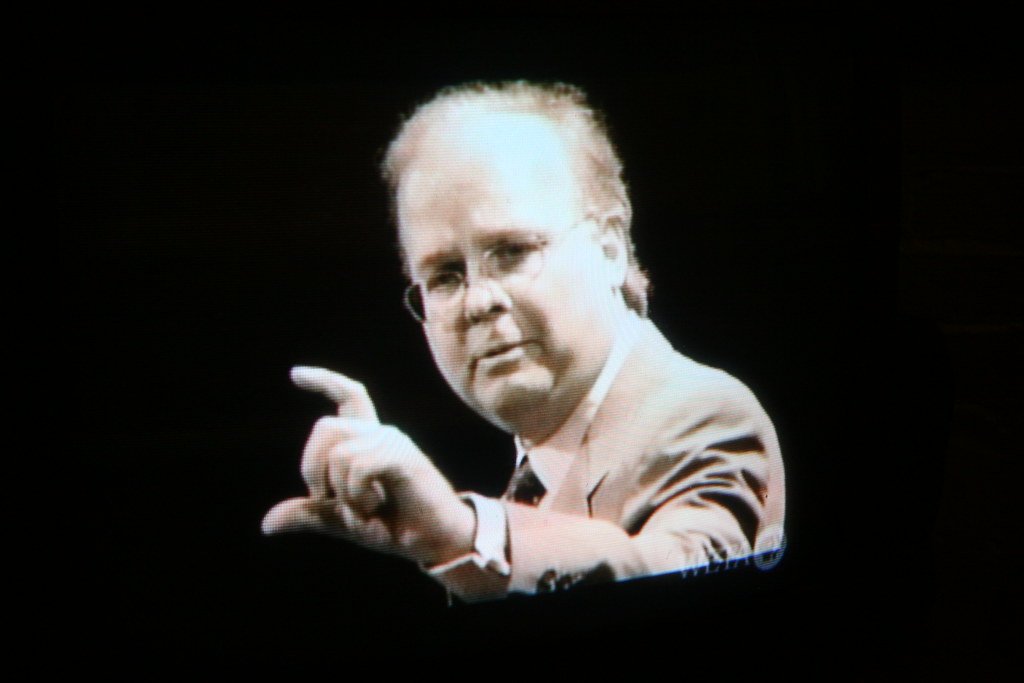
@mjb/Flickr
Karl Rove, longtime Republican strategist and key architect of George W. Bush’s presidential victories, shocked political observers this week by announcing he will vote for a Democrat in the 2026 Texas Railroad Commission race. Speaking at the Atlantic Festival in New York City on September 18, Rove criticized the GOP for being “infiltrated” by bigots and conspiracy theorists, describing the party’s current trajectory as deeply troubling.
Rove’s Break With the GOP: Why He’s Voting Democrat
Rove’s decision to back a Democrat over Republican Bo French stems from French’s history of racially charged and bigoted social media posts. French, a controversial figure in Texas politics, posted a photo disparaging non-white University of Texas football fans, which Rove said exposed a problem within the party far worse than initially imagined. Rove said he further investigated French’s comments and found a pattern of anti-Semitic, Islamophobic, and misogynistic remarks.
“He tweeted, ‘What’s worse for America? Jews or Muslims?’ and made a bunch of bigoted comments,” Rove said. “He also claimed, ‘The most angry people in the world are white, educated women.’ No wonder you’re divorced!” Rove joked, drawing laughter from the audience.
Rove’s Warning: The GOP Needs to Clean House
Rove did not mince words in his critique of the Republican Party. He said the GOP must “get rid of these people” — referring to conspiracy theorists and bigots who have gained influence within its ranks. He described these factions as “conspiracy nuts” and criticized the party’s embrace of extremist ideas about gender roles, including the belief that women should not vote.
“My party is infiltrated by these people,” Rove said. He lamented that such attitudes threaten the GOP’s future viability and warned that the party has faced similar internal crises in the past but must now act decisively to remove these elements.
President Trump’s Response and GOP Backlash
President Donald Trump responded swiftly to Rove’s defection, labeling him a “stone cold loser” on social media. Trump’s supporters echoed the criticism, attacking Rove as a disgruntled insider out of touch with the party’s base. Rove, embracing the jab, joked at the Atlantic Festival that he would produce hats emblazoned with the phrase “Stone Cold.”
Despite the backlash, Rove’s public denunciation highlights the ongoing tensions within the Republican Party as it grapples with ideological divisions and the influence of far-right elements.
Implications for Texas and National Politics
Rove’s decision to vote Democrat in a key Texas race is significant, given his decades-long prominence in Republican politics. The Texas Railroad Commission, which regulates the state’s vital oil and gas industry, has historically been controlled by Republicans. French’s candidacy and Rove’s opposition underscore the internal battles shaping the GOP’s future direction.
Political analysts suggest Rove’s stance may encourage other moderate Republicans disillusioned with the party’s current course to reconsider their loyalties. As the 2026 midterm elections approach, the GOP faces the challenge of balancing its traditional conservative base with emerging factions pushing more extreme agendas.
Rove’s remarks serve as a stark reminder that the party’s internal conflicts are playing out on a national stage, with potential consequences for election outcomes and policy debates.
For now, Karl Rove’s public break with the GOP offers a rare glimpse of dissent from within the Republican establishment, spotlighting the stakes involved as the party navigates its ideological crossroads.