Ukraine Launches Over 1,000 Drones in Largest-Ever Attack on Moscow
Ukraine fired over 1,000 drones in a record attack on Moscow, targeting key oil and logistics sites during Russia’s wartime parliamentary election.
Uploaded image
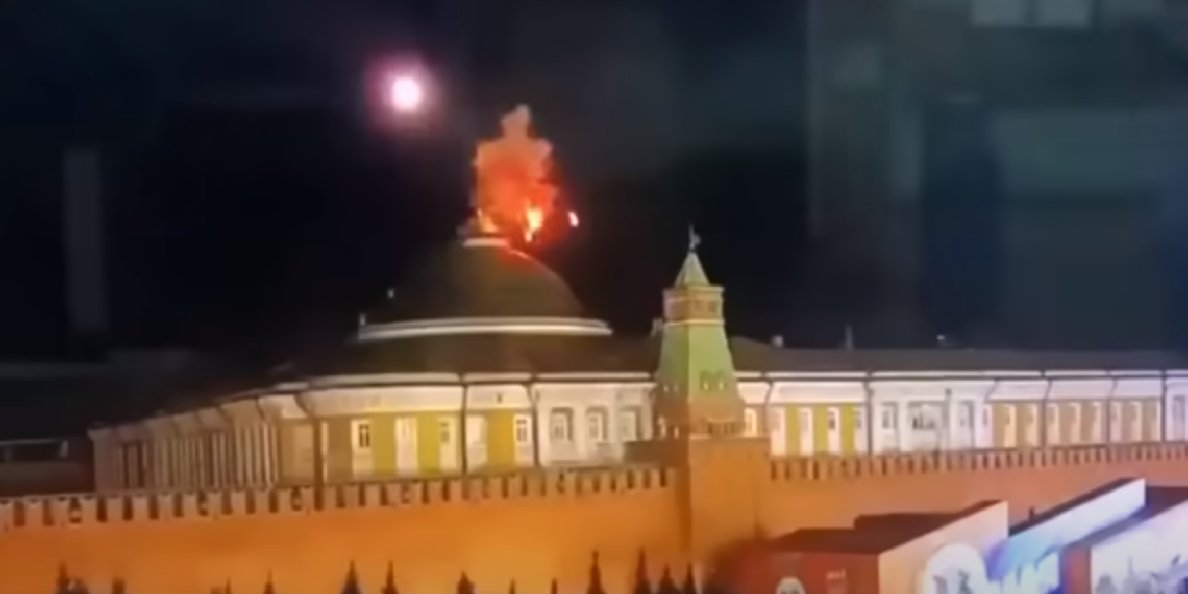
In the early hours of Sunday, Ukrainian forces launched an unprecedented drone assault on Russia, firing more than 1,000 drones including hundreds aimed at Moscow. The wave of attacks coincided with the final day of Russia’s wartime parliamentary elections, marking the largest drone strike ever recorded on the Russian capital.
Scope and Impact of the Drone Attack
Moscow’s mayor, Sergei Sobyanin, described the barrage as an “unprecedented attack” aiming to disrupt the Kremlin’s election process. Despite the scale, Sobyanin insisted the electoral process was not derailed. However, the assault inflicted damage on key infrastructure, notably the Moscow Oil Refinery, a crucial facility supplying the city. Additionally, a residential building sustained damage during the strikes.
Across the broader Moscow region, the attack resulted in two confirmed fatalities—a 74-year-old man and a 44-year-old woman—and left 20 wounded, according to local governor Andrei Vorobyov. Sobyanin noted that Russian air defenses intercepted approximately 450 of the drones targeting Moscow itself.
Ukrainian Military Strategy and Technology
President Volodymyr Zelenskyy confirmed on social media that the attack involved a mix of missile and drone strikes, including domestically produced Flamingo and Pelican drones. These weapons targeted oil and logistical hubs, aiming to degrade Russia’s economic resources that fund its military operations.
Ukraine has emerged as a leader in drone warfare over the past four years, developing long-range drones capable of penetrating deep into Russian territory. The tactical use of these drones represents Kyiv’s effort to pressure Moscow economically and politically, hoping to force Russian President Vladimir Putin toward peace negotiations.
Russian Response and Defense Claims
The Russian Ministry of Defense reported shooting down a total of 1,110 Ukrainian drones across Russia, Crimea, and the Black Sea region. Despite this, the sheer volume of drones overwhelmed some defenses, allowing several to strike key targets. Moscow’s mayor emphasized the attack was timed to coincide with the parliamentary elections, describing it as a failed attempt to disrupt voting.
Russia is currently conducting its first wartime parliamentary election, including in territories it annexed from Ukraine, such as parts of the Kherson region and Crimea—moves widely condemned by Kyiv and the international community as illegal. The elections have featured little opposition to President Putin’s policies, effectively cementing his government’s control.
Continued Fighting and Civilian Toll
Alongside the aerial drone conflict, the ground war persists with ongoing clashes on the eastern and southern fronts of Ukraine. Ukrainian officials reported that Russian drone strikes continued to cause civilian casualties, including a recent attack on a monastery in the Kherson region that killed a clergyman and wounded four others.
In Kyiv, a Russian strike on Saturday evening tragically killed two children and their mother, with another child wounded in the attack dying later in hospital. These incidents highlight the persistent human cost amid the prolonged conflict.
As Ukraine maintains its drone offensive deep inside Russian territory, both sides appear locked in an escalating struggle of aerial strikes amid a stalemated ground war. The unprecedented scale of Sunday’s drone attack underscores Kyiv’s ongoing strategy to bring the war’s impact home to the Russian population and leadership.