Airlines Sound Alarm as Trump Administration Rolls Out AI Air Traffic Control System
Airlines raise concerns and call for caution as the Trump administration introduces an AI-based air traffic control system nationwide.
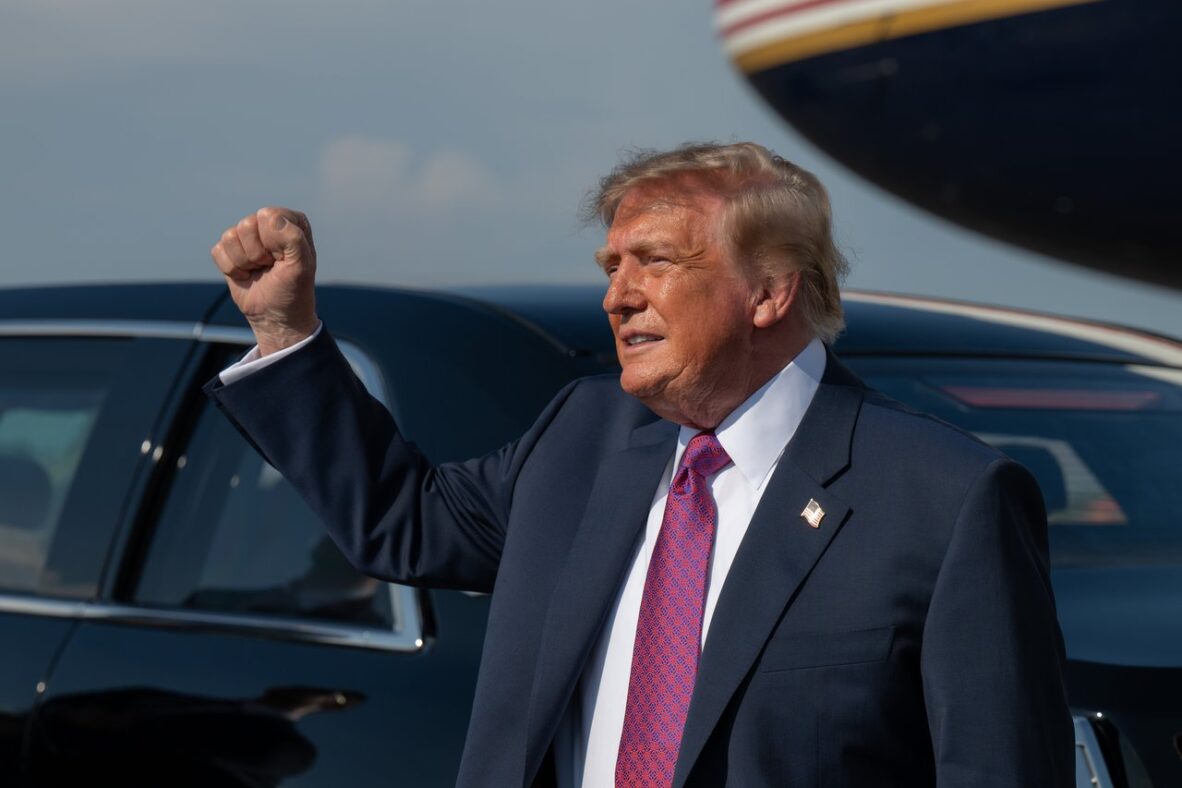
NASA/John Kraus/NASA
The Trump administration has officially launched a new artificial intelligence-driven air traffic control system aimed at modernizing the nation’s skies, but major airlines are expressing serious concerns over the rollout. Announced on September 21, 2026, the AI system promises increased efficiency and safety, yet some industry leaders warn it is causing operational panic among carriers still adjusting to the new technology.
New AI System Promises Efficiency and Modernization
The Federal Aviation Administration (FAA), under the direction of President Donald Trump’s administration, unveiled the AI-powered air traffic management system as part of a broader effort to modernize U.S. aviation infrastructure. The system uses advanced machine learning algorithms to optimize flight routes, reduce delays, and improve overall airspace capacity.
FAA officials say the AI platform can process vast amounts of real-time data—including weather, flight schedules, and airspace congestion—to dynamically adjust flight paths and air traffic sequencing. This is intended to reduce fuel consumption and minimize delays at busy hubs, helping the airline industry save millions annually.
Airlines Voice Concerns Over Rapid Implementation
Despite the promises, several major airlines have voiced concerns about the speed and scope of the AI system’s deployment. Executives from carriers including American Airlines and Delta have privately described the transition as “chaotic” and “panicked,” citing insufficient time for training and integration with existing technology.
One airline official, speaking on condition of anonymity, said, “We support modernization, but the rollout feels rushed. Our operations teams are struggling to keep up with AI directives that sometimes conflict with human controllers’ judgments. This could impact safety and reliability if not addressed promptly.” Airline trade groups are reportedly requesting a pause or phased implementation to allow smoother adaptation.
Democrats Criticize Trump Administration’s Handling
Democratic lawmakers have seized on the airline industry’s unease to criticize the Trump administration’s approach. Senator Maria Hernandez (D-NC) called the rollout “reckless,” urging more transparency and stakeholder engagement before expanding AI control over critical national infrastructure.
“While innovation is necessary, it should never come at the expense of safety or operational readiness,” Senator Hernandez said in a statement. “The administration must listen to industry experts and workers on the front lines before pushing forward with such sweeping changes.” Several House Democrats have announced plans to hold hearings on the FAA’s AI rollout next month.
FAA Defends AI System and Calls for Cooperation
The FAA has publicly defended the system, stating it underwent rigorous testing over the past two years and met all safety benchmarks. Administrator Karen Liu said, “This AI system represents a major leap forward in air traffic management. We are committed to working closely with airlines and controllers to ensure a smooth transition and safe skies for all.” Liu also highlighted ongoing training programs and said additional support resources will be made available.
Nevertheless, the tension between the FAA and airlines underscores the challenges of integrating cutting-edge AI technology into complex, high-stakes environments like national airspace.
What’s Next for AI in U.S. Air Traffic Control?
Industry experts agree that AI will play a growing role in aviation, but the current controversy highlights the need for careful implementation. Aviation analyst Tom Reynolds noted, “This is a pivotal moment. The technology can deliver huge benefits, but it requires trust, transparency, and gradual adoption to succeed.” Reynolds predicts that the FAA and airlines will negotiate phased rollouts and enhanced human-machine collaboration in the coming months.
As the Trump administration pushes forward with its AI agenda, all eyes will be on how effectively it balances innovation with operational safety and industry cooperation.
Ultimately, the success of the AI air traffic control system hinges on addressing airline concerns and ensuring the new technology enhances, rather than disrupts, the complex choreography of the nation’s skies.