North Carolina Poised to Cap Income Tax Rate via Constitutional Amendment
A proposed constitutional amendment to limit North Carolina’s personal income tax rate is advancing through the state Senate, sparking debate over future revenue and public services.
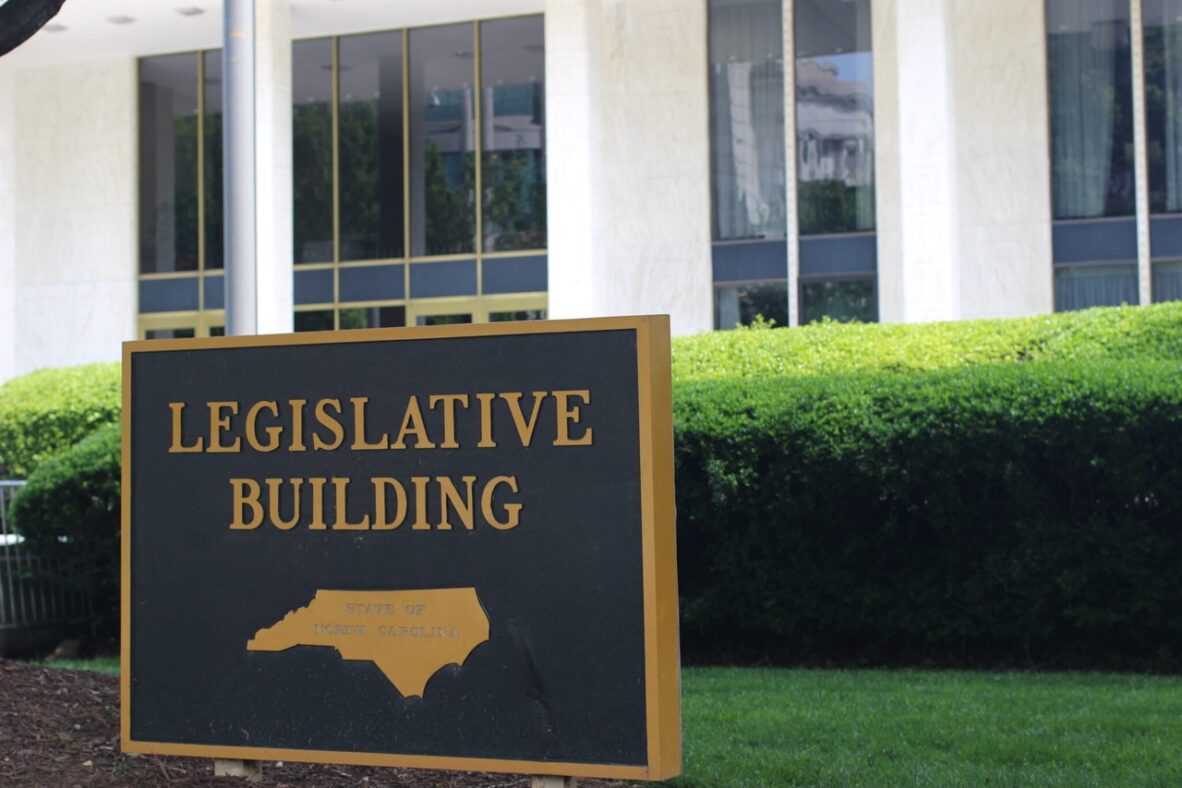
Associated Press
North Carolina lawmakers are moving closer to placing a constitutional amendment on the 2026 ballot that would permanently cap the state’s personal income tax rate at 3.5%. The measure, currently advancing through the state Senate, has ignited a vigorous debate about the state’s fiscal future and its ability to fund essential public services.
Legislative Push for a Tax Cap
Senate Bill 1080, dubbed “Lower Taxes for All NC,” cleared the Senate Finance committee on Monday, a key step in its progression. This amendment is a component of the broader budget agreement recently reached by Senate leadership and the House Speaker. Following expected party-line approval in the Senate on Tuesday, the legislation will proceed to the state House for further consideration. If it successfully navigates both legislative chambers, it will join a slate of up to five other proposed constitutional amendments for voter consideration in November 2026.
Currently, North Carolina’s personal income tax rate is set at 3.99%. It is already scheduled to decrease to 3.49% in 2027. However, the proposed constitutional amendment would lock this rate in, preventing future legislatures from raising it without a public vote.
Debate Over Permanency and Fiscal Priorities
Proponents of the amendment, primarily Republican lawmakers, argue that capping the income tax is a promise to constituents and that enshrining it in the constitution gives voters the ultimate say. Senator Michael Lee, the bill’s sponsor, emphasized that the personal income tax is not the sole source of state revenue and that capping it is a matter of fulfilling electoral commitments.
“In doing a constitutional amendment, it says… ‘If we’re going to make this promise to you, before we go back on our promise, we’re going to check in with you, so you can decide,'” Lee stated during the committee hearing.
Senator Ralph Hise highlighted North Carolina’s competitive disadvantage compared to neighboring states like Tennessee, which has no income tax, arguing that lower taxes can attract businesses and residents. He expressed a fundamental disagreement with the concept of an income tax altogether.
However, the amendment faces strong opposition from Democrats and progressive organizations. Critics question the necessity of a constitutional amendment when legislative action could achieve a similar reduction, pointing out that constitutional amendments are far more difficult to alter or repeal than statutory laws.
Senator Natalie Murdock raised concerns about the inflexibility of a constitutional amendment. “If you all are already working on that path to do it through legislation, are there any concerns about the permanency of it being amended in the constitution?” she asked.
Concerns for Public Services and Equity
Organizations like the North Carolina Budget and Tax Center have voiced significant opposition, outlining potential negative impacts on the state’s financial health. Alexandra Sirota, the center’s executive director, criticized the move as prioritizing tax breaks over the needs of North Carolinians, particularly in areas like education and public health.
“North Carolinians want to see their state legislators focus on the things that make life more affordable for them, investing in childcare, housing, public schools,” Sirota told NC Newsline. “And the reality is this income tax ballot measure will block future legislators from doing what they need to do to make sure every community and every family has what they need to thrive.”
Tamika Walker Kelly, president of the North Carolina Association of Educators, underscored the state’s already low ranking in public school funding. She argued that tax cuts disproportionately benefit the wealthy, while negatively impacting lower-income families and the education system. “That is not fiscal responsibility — that is a permanent transfer of wealth away from our children,” Walker Kelly asserted. “We are already last in education funding, and we cannot afford to fall further.”
As the amendment progresses, its potential implications for North Carolina’s revenue streams and its capacity to invest in critical social programs remain at the forefront of the ongoing legislative and public discourse.