President Trump Announces Federal Payments for Fraud Whistleblowers
President Trump unveils a government program to reward fraud whistleblowers, promising to personally decide compensation.
NASA/Bill Ingalls/NASA
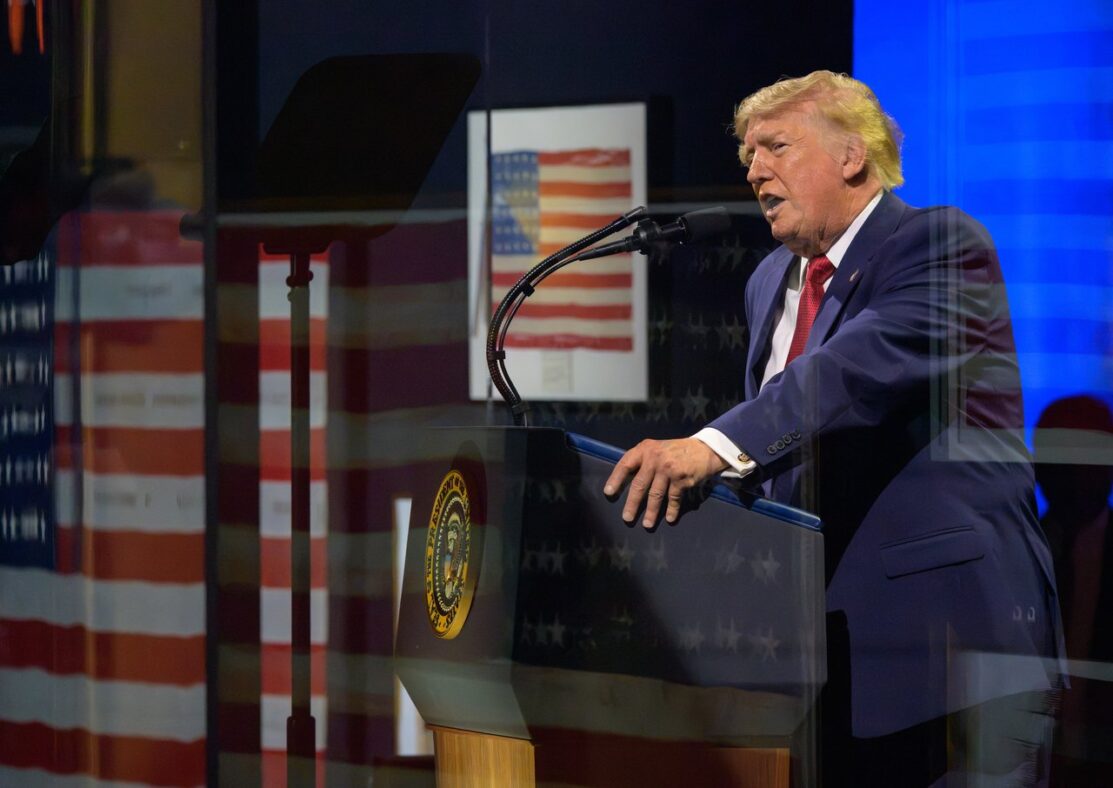
Washington — On Tuesday, President Donald Trump announced a new federal initiative to reward whistleblowers who report fraud against the U.S. government and taxpayers. Speaking from the Oval Office with Vice President JD Vance, who leads the administration’s fraud task force, President Trump detailed a program that will pay whistleblowers for their information, with the president himself deciding who receives compensation.
Details of the Fraud Whistleblower Incentive Program
President Trump introduced the Fraud Whistleblower Incentive Program, which allows ordinary citizens to report fraudulent activity against the government and be eligible for payment. Under the program, whistleblowers can receive 1% of the amount of fraud they expose. Trump emphasized that there is no cap on these payments, even if the fraud reported totals $100 billion.
However, the official America.gov/fraud website states that successful whistleblowers may receive up to $30,000, depending on whether their report leads to criminal charges. When asked for clarification by CBS News, President Trump stated that criminal charges are not necessary for compensation and reiterated that there is no limit on the amount paid.
“I will be the arbitrator of all of these decisions,” Trump said. “In other words, I’ll determine whether or not the person is deserving and I’ll determine — and I will be very generous, believe me.” He promised fairness and immediate payment once a determination is made.
Administration Roles and Program Mechanics
Vice President JD Vance, who heads the fraud task force, was present during the announcement and joked, “That’s the answer. I quit while I’m ahead,” referring to the compensation policy. The America.gov/fraud website notes that whistleblower reports are encrypted and sent directly to the Treasury Department. Although it is unclear who reviews these reports, the Department of Justice will administer the program.
President Trump also explained how disputes over payments between whistleblowers will be resolved. “If two people are fighting over it, maybe they’ll split it or maybe whatever, but I’ll make that determination,” he said.
First Beneficiary and Comparison to Existing Laws
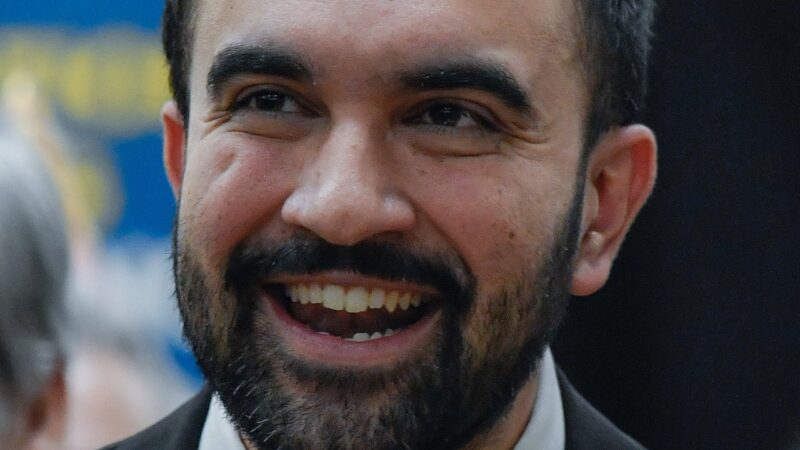
The first person to benefit from this program is Nick Shirley, a young YouTuber in his twenties who exposed fraud at childcare centers in Minnesota. Shirley joined President Trump in the Oval Office and received a $10,000 check as part of the announcement.
The new program differs from existing whistleblower compensation under the False Claims Act, which allows whistleblowers to receive 25% to 30% of recovered proceeds but has stringent requirements. Vice President Vance noted that “99%” of the fraud uncovered by their task force is not covered by the False Claims Act, highlighting the need for this new program.
Criticism and Skepticism from Advocacy Groups
Not everyone welcomed the announcement. Naomi Seligman, president of the nonprofit Whistleblower Aid, expressed skepticism about the administration’s intentions. She said President Trump “is more interested in hunting down whistleblowers.” Seligman challenged the president to focus on violations within his own administration, including senior officials, and offered to collaborate on accountability efforts to help protect democracy.
President Trump’s announcement marks a notable shift in how the federal government may handle fraud whistleblowers, with the president himself taking a direct role in determining compensation. As the program unfolds, questions remain about implementation and oversight, but the administration is positioning this effort as a key part of its strategy to combat fraud against taxpayers.