President Trump Issues Executive Order Limiting Democratic Investigations Ahead of New Congress
President Trump’s executive order directs companies to comply with executive privilege claims, drawing criticism from Democrats.
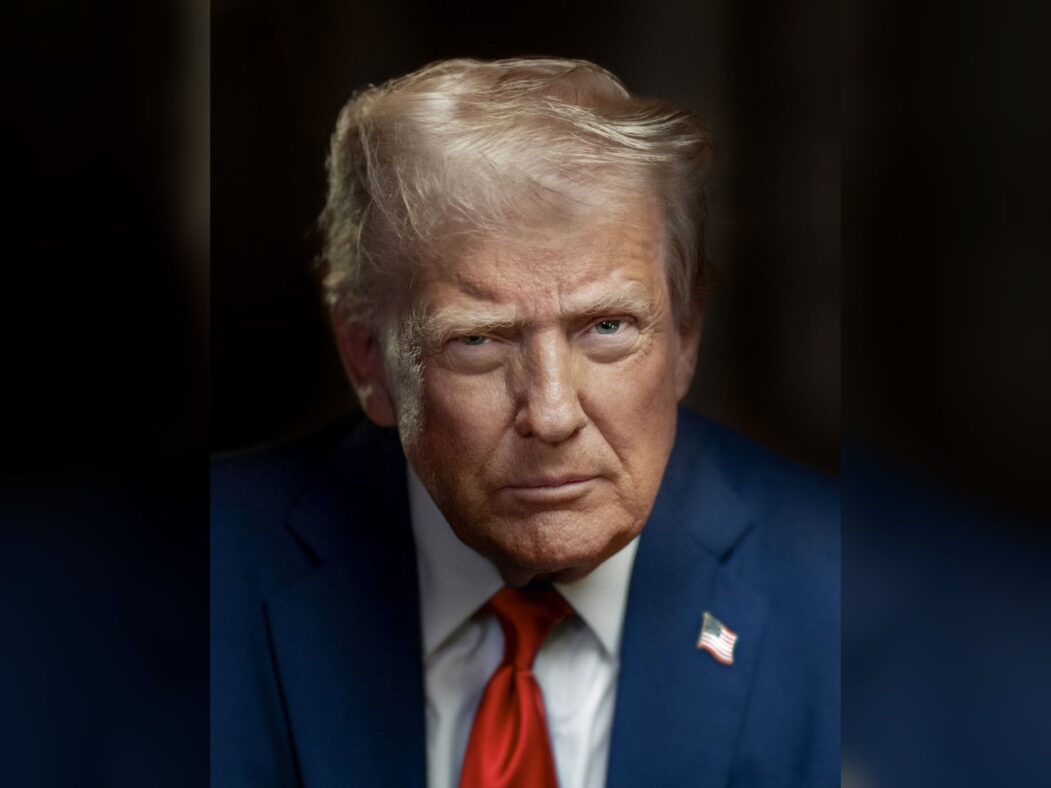
Daniel Torok/Wikimedia Commons
President Donald Trump on Friday issued an executive order aimed at restricting how Democrats can conduct investigations as they prepare to take control of Congress. The order warns businesses that work with the federal government to coordinate information requests through the White House, a move that has drawn sharp criticism from Democratic leaders ahead of the new congressional session.
Trump’s Executive Order and Its Implications
The executive order directs companies doing business with the federal government to comply with claims of executive privilege, the president’s constitutional power to withhold information from Congress or the courts to protect the functioning of the presidency. President Trump stated that firms refusing to cooperate could face termination or cancellation of contracts as well as debarment or suspension from future government work.
This order appears to broadly shield administration dealings, including those involving outside contractors, from congressional scrutiny. Yet, the Supreme Court has ruled that executive privilege is not absolute and must be balanced against the public’s need for transparency, with the courts serving as the ultimate arbiter in such disputes.
Democratic Pushback and Legal Challenges Ahead
Democratic leaders have pushed back strongly against the order. Incoming House Judiciary Committee Chair Rep. Jamie Raskin described the order as having “all the force of an interoffice memo,” telling CNN’s “State of the Union” that the Constitution supports congressional oversight despite the order. This signals a forthcoming legal and political battle over the scope and limits of executive privilege.
The administration’s aggressive stance, including threats of prosecution against Democratic investigators probing areas like White House dealings with corporate CEOs, Trump’s business projects, family and Cabinet activities, and the Iran war’s origins, points to a prolonged confrontation over congressional oversight.
Political Dynamics and Personnel Changes
The White House’s firm defense of executive power is bolstered by the appointment of Stephen Miller as President Trump’s new chief of staff, known for his combative approach. Meanwhile, House Republicans have chosen Ohio Rep. Jim Jordan, recognized for his disruptive tactics, as their leader. These moves indicate a readiness for intense partisan conflict as Democrats prepare to scrutinize the administration.
President Trump has framed Democratic investigations as political persecution, a narrative he has used effectively in the past. Despite expressing willingness to collaborate with Democratic leaders on issues like healthcare and immigration in a Fox News interview, he also criticized Senate Majority Leader Chuck Schumer on Truth Social, underscoring the complex political environment ahead.
Risks for Companies Contracting with the Federal Government
The executive order places companies working with the federal government in a difficult position. They face the risk of losing contracts if they do not comply with White House directives, yet cooperating with the White House could antagonize Democrats who, depending on future election outcomes, may hold the presidency and Congress when Trump leaves office in two years.
While the current Trump Justice Department is unlikely to prosecute executives who resist congressional subpoenas, a future administration might take a different stance. This uncertainty complicates the decisions companies must make in the coming months.
The showdown between President Trump and the incoming Democratic Congress will be a defining feature of the political landscape, testing the limits of executive power, congressional oversight, and the rule of law in the years ahead.