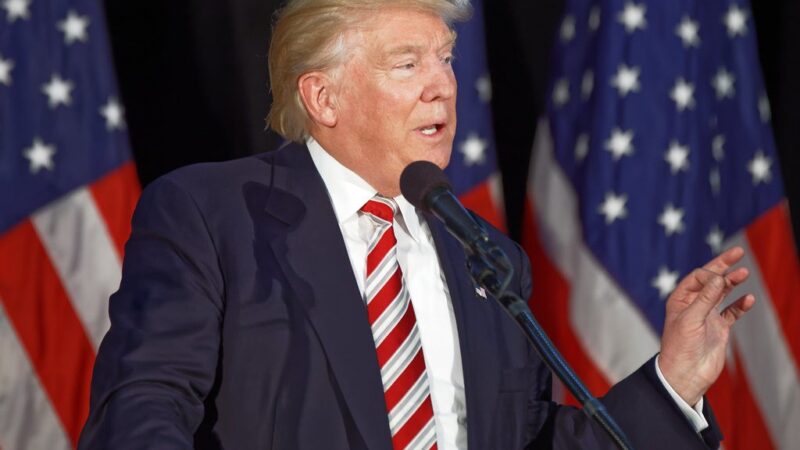
President Trump Rejects Livestream Plan for Fort Hood Shooter’s Execution
President Trump has rejected Defense Secretary Hegseth’s plan to livestream the Fort Hood shooter’s execution, aligning with bipartisan opposition.
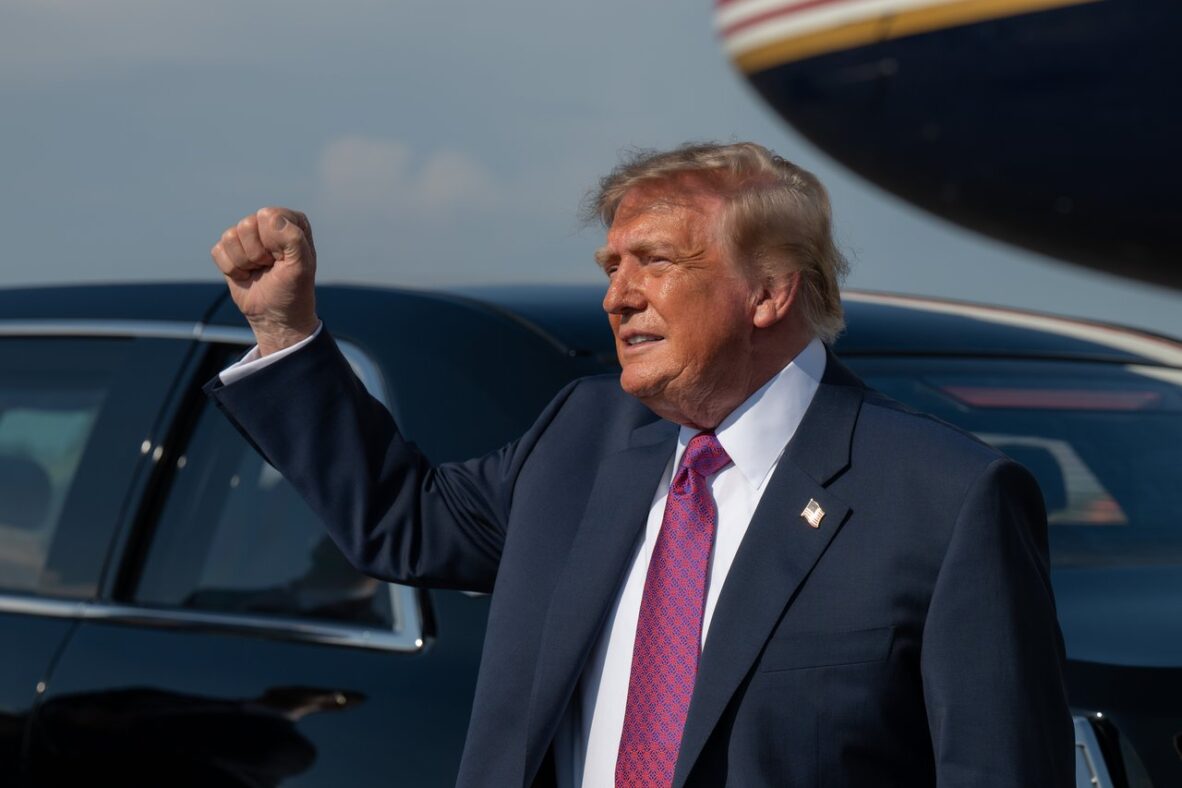
NASA/John Kraus/NASA
President Donald Trump has officially rejected Defense Secretary Pete Hegseth’s controversial plan to livestream the execution of Fort Hood shooter Nidal Malik Hasan. The announcement came ahead of the scheduled execution and follows widespread bipartisan backlash and public concern about broadcasting the event.
Trump and Hegseth Align on Execution Decision
The Pentagon confirmed that President Trump and Defense Secretary Pete Hegseth are “completely aligned” after Trump put an end to the livestream proposal. Chief Pentagon Spokesman Sean Parnell told Newsweek, “President Trump and Secretary Hegseth spoke about the decision to not livestream Hasan’s execution ahead of the Truth Social announcement. The Secretary supports the President’s decision, and they are completely aligned.”
President Trump posted on Truth Social, emphasizing that Hasan, whom he called “a very bad and evil man,” would still face execution by firing squad but without any form of streaming or visual broadcast. Trump said, “many very good and well meaning people would rather not watch him die, through streaming, or through any other visual device. He will die, as scheduled, by firing squad, but this event will not be streamed.”
He added that immediate families of the victims could witness the execution in person if they choose, stating, “They deserve to witness JUSTICE!”
Backlash and Bipartisan Opposition to Livestreaming
The plan to livestream Hasan’s execution faced sharp criticism from across the political spectrum, including within President Trump’s own party. Vice President JD Vance expressed doubts about the feasibility of livestreaming and said he would not watch the execution, remarking, “I don’t know that that’s actually going to happen.”
North Carolina Republican Senator Thom Tillis condemned the idea as “beyond disgusting,” comparing it to practices of oppressive regimes. He wrote on X, “Public executions are what oppressive dictatorships like Iran and Afghanistan do. It should not be happening in America.”
Louisiana Republican Senator John Kennedy also opposed televising the execution, telling NBC News, “If it were me, I wouldn’t televise it or publicize it or whatever they’re doing.” He added, “I just think it makes—it makes our society coarser, and I wouldn’t do it.”
Victims’ Families Respond to the Decision
Kristopher Craig, an Army veteran whose brother, Army Private First Class Michael Pearson, was killed in the 2009 Fort Hood shooting, expressed relief at the decision. He told Newsweek, “I am glad the president listened to reason and reconsidered his decision.”
Craig had previously written to President Trump and Secretary Hegseth, asking that his brother’s memory not be associated with a public broadcast of another person’s death. After the reversal, Craig said the controversy was “avoidable” and caused “unnecessary pain and distress to people who have already endured enough.” He added, “But today, I’m grateful that we have been spared having to witness something that would have only added to that pain. For that, I am genuinely thankful.”
Background on Nidal Malik Hasan and the Fort Hood Shooting
Nidal Malik Hasan, a former military psychiatrist, was convicted of killing 13 people and wounding more than 30 others during a 2009 shooting rampage at Fort Hood, Texas. The attack took place amid the global War on Terrorism. Investigators concluded Hasan was motivated by Islamic extremist beliefs, citing his email exchanges with the al-Qaeda-linked cleric Anwar al-Awlaki and Hasan’s own statements during his court-martial. Hasan claimed he acted in defense of the Taliban and said he had “switched sides.”
Initial Plan and Subsequent Reversal
On October 8, Defense Secretary Pete Hegseth announced his intention to livestream Hasan’s execution, which would have been the first public execution in the U.S. in decades. The plan faced immediate pushback from President Trump, Vice President Vance, former military leaders, and members of Congress. The controversy culminated in President Trump’s decision to cancel the livestream, emphasizing respect for victims’ families and public sentiment.
The decision marks a rare moment of unity between the White House and the Pentagon amidst a politically charged issue, reflecting the broader unease with broadcasting executions publicly. The execution will proceed by firing squad, but without any livestream or visual broadcast.