Italy’s Meloni Proposes Limits on Foreign Students, Face-Covering Ban in Schools
Italian PM Meloni plans to cap foreign students at 30% per classroom and ban face coverings like burqas in schools amid integration concerns.
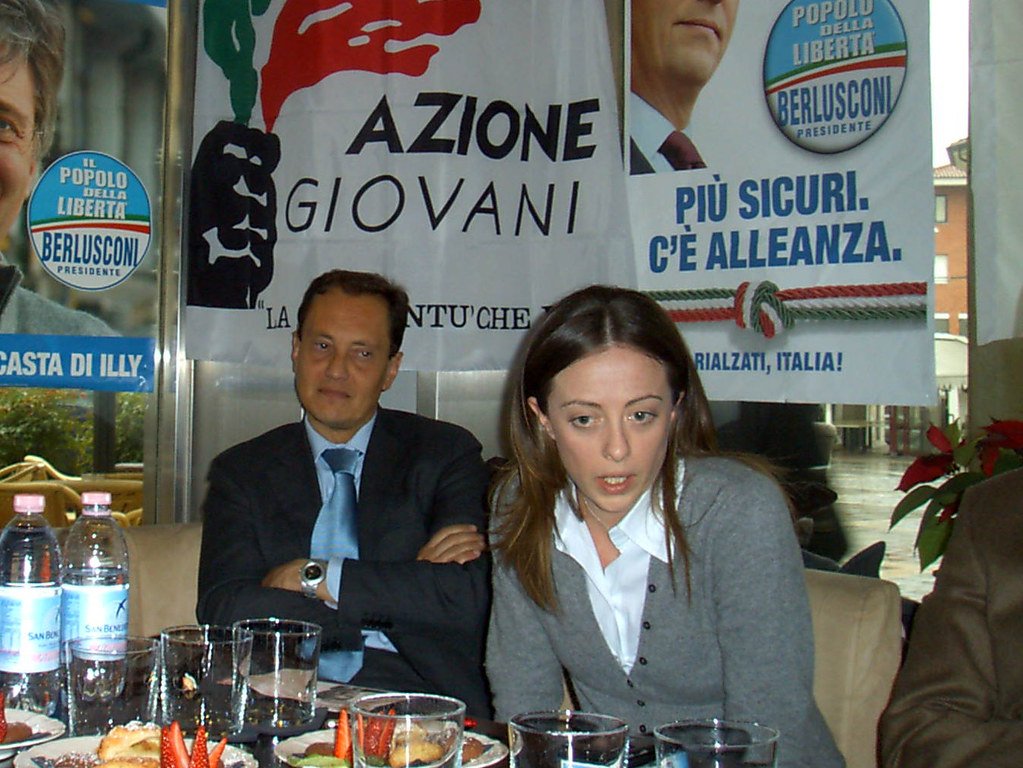
Luca Ciriani/Flickr
Italian Prime Minister Giorgia Meloni announced on September 20, 2026, plans to introduce legislation restricting the number of foreign students allowed in classrooms and banning face-covering garments, including burqas and niqabs, in Italian schools. The proposals, announced at a youth event in Rome, aim to address integration issues and reinforce gender equality but have sparked controversy across Italy and Europe.
New Limits on Foreign Students in Classrooms
Meloni’s government intends to legally cap foreign students at approximately 30% of the population in any given classroom. Speaking at the Fenix event organized by her party’s youth wing, Meloni explained the rationale behind the policy: if too many students do not speak Italian, it hinders effective learning and integration. “If in a classroom there is only one child who doesn’t understand Italian, it’s possible that child will integrate quickly with help,” she said. “But if these children become the majority, that’s no longer integration—it’s abandonment.”
Currently, students with non-Italian citizenship make up about 11.6% of Italy’s school enrollment, according to the ISMU ETS Foundation. Italy’s citizenship law means many children born in the country to non-Italian parents only gain citizenship after turning 18, which factors into the government’s concerns about classroom composition.
The proposed student limit would be a first in Europe, raising questions about how Italy’s public, inclusive school system, which currently welcomes all children regardless of legal or religious status, will implement such a rule.
Ban on Face-Covering Garments in Schools
In addition to student limits, Meloni announced plans to ban face-covering garments in schools, specifically targeting burqas and niqabs. She emphasized that at school, faces must remain uncovered, stating, “In Italy, no one can decide that a young woman has to hide her face in the name of tradition. Equality between men and women is non-negotiable.”
The measure would not ban all Islamic head coverings, only those that cover the face, reflecting similar restrictions already in place in countries like France and Belgium. The government plans to submit the proposal to the Council of Ministers before seeking parliamentary approval.
Reactions and Social Implications
The proposals have drawn mixed reactions. Critics highlight Italy’s tradition of multiculturalism and inclusion within public education. Mariagrazia Santagati, a sociology professor at Milan’s Catholic University of the Sacred Heart, noted, “Italian schools are based on inclusion, and it’s hard to understand how these limits would work in practice.” She also pointed out demographic shifts in some rural areas where immigrant populations are higher, creating more diverse classrooms naturally.
Supporters argue that the measures are necessary to preserve Italian cultural identity and ensure equal opportunities for native students. As Italy approaches its 2027 general election, Meloni’s stance underscores a broader political debate about immigration, integration, and national values.
European Context and Future Outlook
Italy would join a number of European countries that have enacted restrictions on face coverings, but the proposed cap on foreign students is unprecedented. The legislation’s progress will depend on parliamentary approval and could face legal challenges related to educational rights and anti-discrimination laws.
With the general election looming, Meloni’s government is expected to push forward the proposals as part of a broader agenda emphasizing conservative values and national sovereignty, setting the stage for heated political discussions across Italy and the continent.
As the debate unfolds, schools, families, and communities will watch closely how these policies might reshape Italy’s education system and social fabric.