Putin Shared WWII Files with Kushner to Suggest Historical Ties Against Nazis
Jared Kushner says Putin showed him WWII Kremlin files on his grandfather’s Jewish resistance to suggest Russia-U.S. wartime ties
Russian Presidential Press and Information Office/Wikimedia Commons
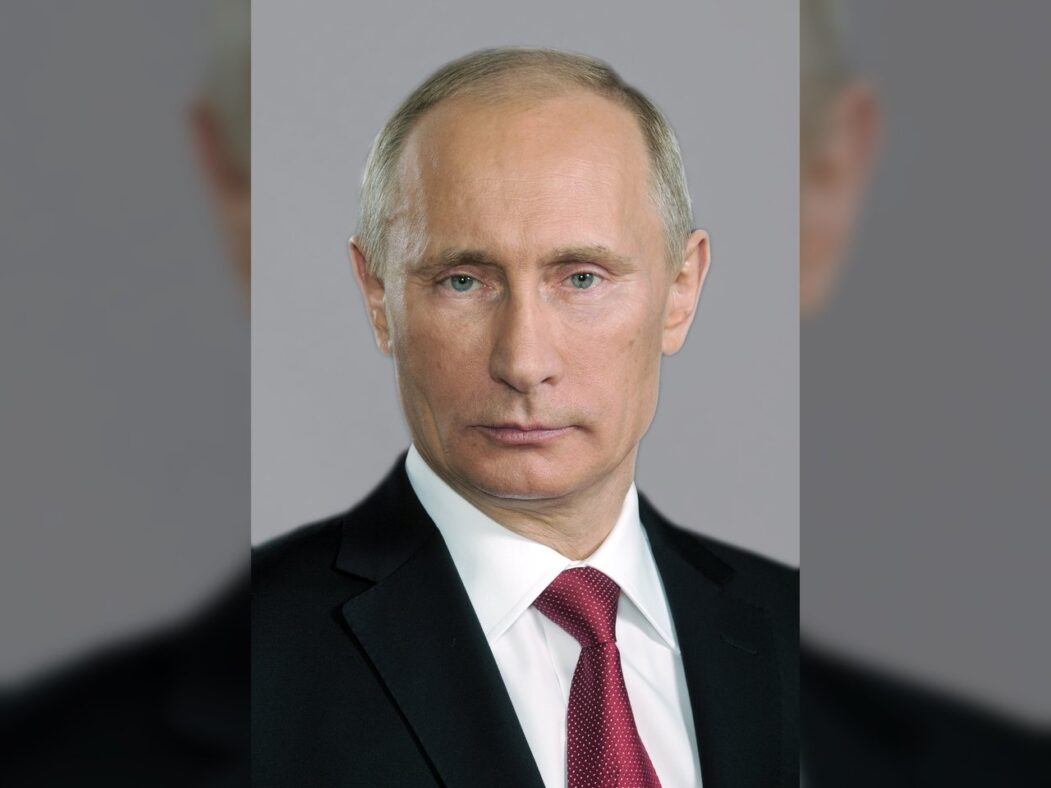
Jared Kushner, President Donald Trump’s son-in-law, disclosed in a recent interview that Russian President Vladimir Putin shared secret Kremlin documents from World War II archives to suggest that Russia and the United States were historically allies against the Nazis. The files showed Kushner’s grandfather’s involvement with the Jewish partisan resistance in Poland during the war.
Putin’s Message Through Historical Documents
Kushner, 45, who is married to Ivanka Trump, described Putin’s gesture as “a subtle message” that Russia was America’s ally against Nazism. During their exchange, Putin implied that Nazis are active in Ukraine, aligning with Moscow’s longstanding propaganda portraying Ukrainian President Volodymyr Zelensky’s government as a neo-Nazi regime.
Zelensky, who is Jewish, has a family history of resistance against Hitler’s Third Reich. His grandfather fought in World War II, and three of his great-uncles were victims of the Holocaust, facts that contradict Russian claims about Ukraine’s leadership.
Kushner’s Role in Ukraine Peace Talks and Conflict of Interest Concerns
The interview with New York magazine also highlighted Kushner’s dual role as a “volunteer” diplomat and businessman during Trump’s second term. Kushner’s investment firm, Affinity Partners, manages approximately $6 billion, with significant funds coming from Gulf sovereign wealth funds linked to rulers he meets during diplomatic missions.
These financial connections have sparked growing accusations of conflicts of interest, prompting Congressional Democrats to prepare investigations into whether Kushner’s financial dealings could compromise U.S. interests. Kushner denies any wrongdoing, asserting that his diplomatic efforts have cost him money rather than profited him.
In November 2025, President Trump assigned Kushner to assist in Ukraine peace negotiations after frustration with the performance of Steve Witkoff, a fellow New York property tycoon serving as the president’s special envoy. Kushner’s approach quickly alienated Ukrainian negotiators due to his presentation of an extensive list of Russian demands, which Secretary of State Marco Rubio dismissed as Putin’s “wish list.”
Criticism of Kushner’s Diplomacy and Business Approach
Critics have also condemned the Trump administration’s decision to enter lucrative deals with Kremlin-linked entities without securing concessions to end the Ukraine war, including the purchase of about 2 million tons of Russian diesel before the midterm elections.
Fiona Hill, the president’s Russia expert during Trump’s first term, characterized Kushner’s role as reminiscent of “early-modern history,” noting that Kushner and Trump appear to believe “business deals make the world go round.” She emphasized their lack of understanding of the Ukrainian perspective, stating, “If Russia stops fighting, the war ends. If Ukraine stops fighting, Ukraine ends.”
The White House has been contacted for comment on Kushner’s disclosures and role in Ukraine peace talks.
Jared Kushner’s revelation about Putin’s use of WWII archives to frame a historical alliance offers insight into the Kremlin’s narrative strategy amid ongoing conflict and highlights the complex intersection of diplomacy, business, and politics during President Trump’s second term.