Netanyahu Scrambles for Votes as Israelis Turn Out in Record Numbers
Israelis vote in record numbers amid fierce competition between Netanyahu and Eisenkot, as tensions rise over election conduct.
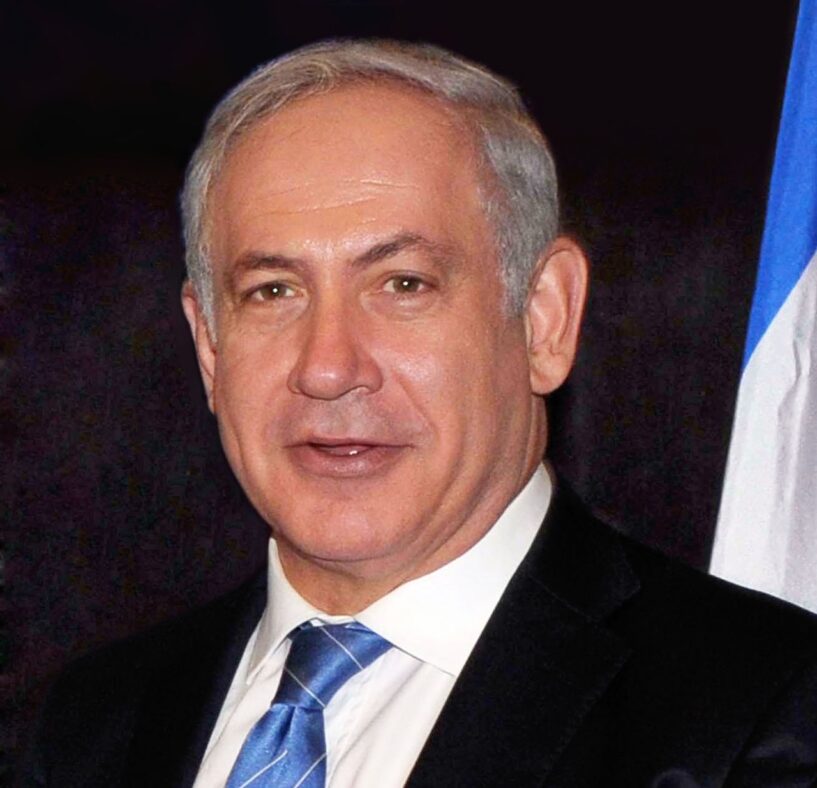
Benjamin Netanyahu on September 14, 2010.jpg: US State Dept. derivative work: Th/Wikimedia Commons
Prime Minister Benjamin Netanyahu faced a tense and critical election day as Israelis turned out in record numbers to vote in the country’s first election since the October 7, 2023, attack. With a nationwide turnout of 66.7 percent by 6:00 pm, the highest recorded since 1973, Netanyahu appealed to his supporters to vote and warned of alleged attempts by Israeli Arabs to “steal the election.” His main rival, Gadi Eisenkot, urged voters to replace what he called “the worst government since the state was established.”
Record Voter Turnout Amid National Trauma
As of 6:00 pm on election day, the Central Elections Committee reported a turnout of 66.7 percent, marking the highest recorded at that time of day since such statistics began in 1973. The election comes in the shadow of the October 7, 2023 attack, which unleashed multi-front regional wars and left deep wounds in Israeli society. Security and accountability remain pivotal issues, influencing voter sentiment across the country.
Some 7.3 million Israelis were eligible to vote, with tens of thousands flying in from abroad, underscoring the election’s importance. Turnout seemed especially high among Israeli Arabs and in east Jerusalem, communities that have become a focal point of political tension during the campaign.
Netanyahu’s Hardline Campaign and Accusations
Netanyahu, 77, who has served as prime minister on and off for over 19 years, actively campaigned to boost turnout among his base. He urged supporters not to engage in leisure activities on election day, telling them, “So no barbecues, don’t go to the beach — go to the polling station and vote Likud.” He also called for the polls to remain open beyond the scheduled 10:00 pm closing time, a move his opponents criticized.
Netanyahu stoked fears about Arab voters, alleging they were voting by the busload to “steal the election” and warning that Israel could awaken to a “government of the left wing and Muslim Brotherhood.” He also claimed that three senior officials of the United Arab List had been arrested with envelopes of cash in the south, an accusation the United Arab List head Mansour Abbas called “lying and inciting.”
Dean Livne, acting director general of the Central Elections Committee, confirmed police had arrested individuals attempting to bribe voters, but said the suspects were not at polling stations and that the case was localized and under investigation.
Eisenkot’s Challenge and Calls for Change
Gadi Eisenkot, 66, a centrist political newcomer and former military chief, stands as Netanyahu’s main rival. Before voting, Eisenkot paid a private visit to the grave of his son Gal, who died fighting in Gaza, a gesture that has drawn widespread empathy in Israel. Speaking at a polling station, Eisenkot urged Israelis to vote to remove what he called “the worst government since the state was established.”
His party, Yashar, warned that Netanyahu was “laying the groundwork to challenge the results” and opposed extending voting hours, saying there was no “exceptional incident” to justify the move. Eisenkot leads an informal coalition spanning the right to centre-left, including former prime ministers Naftali Bennett and Yair Lapid, Avigdor Lieberman, and left-leaning Yair Golan.
In Tel Aviv, The Democrats, part of Eisenkot’s bloc, reported police arrested a man with a knife who threatened their leader Yair Golan. Golan blamed Netanyahu’s “poison machine” for incitement and violence but vowed they would not be intimidated.
Political Stakes and International Dimensions
The election represents a crucial juncture for Israel as it faces increasing isolation internationally amid ongoing conflicts in Gaza and the West Bank, as well as mounting settlement construction and violence. Netanyahu, who returned to power in December 2022, has brought far-right ultra-nationalists into his coalition, boosting their influence.
Neither Netanyahu nor Eisenkot has openly committed to partnering with predominantly Arab parties, which represent about 21 percent of Israel’s population, but Mansour Abbas’s United Arab List could become a kingmaker in a tight race. Netanyahu has positioned himself as the only candidate able to safeguard Israel’s security, highlighting his endorsement by U.S. President Donald Trump in the final days of the campaign.
As Israelis continue to cast their ballots, the country waits to see who will lead in an election shaped by security fears, political division, and a desire for stability in turbulent times.