Putin Warns Russia Ready to Use All Weapons Including Nuclear to Defend Kaliningrad
President Putin warns Russia is prepared to use nuclear weapons to protect Kaliningrad amid rising geopolitical tensions.
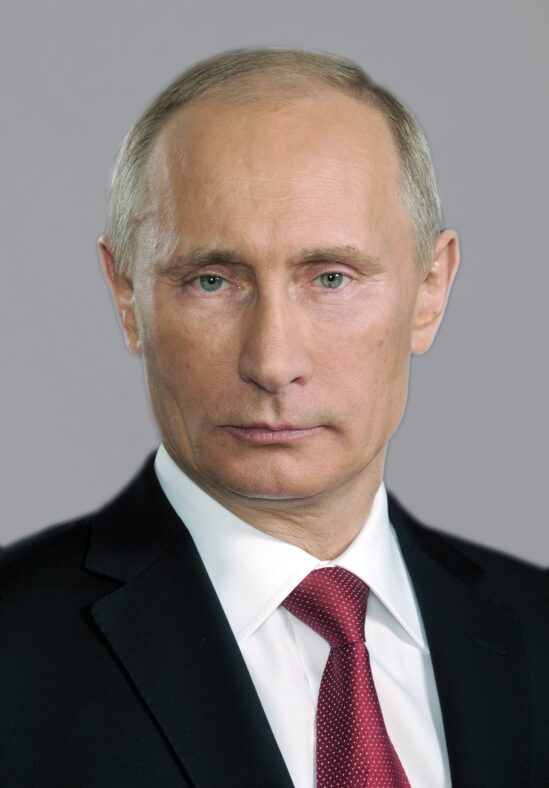
Russian Presidential Press and Information Office/Wikimedia Commons
Russian President Vladimir Putin issued a stark warning on October 1, 2026, stating that Russia is prepared to deploy “all weapons,” including nuclear arms, to defend the strategically vital exclave of Kaliningrad. This announcement comes amid escalating tensions between Russia and NATO over military activities and territorial security in Eastern Europe.
Putin’s Statement on Kaliningrad Defense
During a televised address, President Putin emphasized that Kaliningrad, a Russian territory located between Poland and Lithuania on the Baltic Sea, remains a critical part of Russia’s national defense posture. He declared that Moscow would not hesitate to use “all available means” to protect the region, explicitly including nuclear weapons. Putin’s remarks appeared to be a direct response to NATO’s increased military presence in Eastern Europe and recent Western sanctions targeting Russia.
Kaliningrad is home to significant Russian military assets, including advanced missile systems. The region’s geographic isolation from mainland Russia and proximity to NATO members have made it a flashpoint in the ongoing geopolitical standoff.
Rising NATO-Russia Tensions in Eastern Europe
Throughout 2026, NATO has bolstered its deployments in member states bordering Russia, citing concerns over Moscow’s aggressive military maneuvers. In particular, Poland and the Baltic states have requested increased defense support due to fears of potential Russian incursions.
In response, Russia has labeled NATO’s actions as provocative and destabilizing. The Kremlin views NATO’s expansion and military exercises near its borders as a direct threat to national security, justifying Putin’s firm stance on Kaliningrad’s defense.
Implications for U.S. and Global Security
President Donald Trump’s administration has expressed concern over escalating rhetoric between Russia and NATO allies. While reaffirming the U.S. commitment to NATO’s collective defense, White House officials urge caution and diplomatic engagement to de-escalate tensions.
Experts warn that Putin’s explicit reference to nuclear weapon use marks a dangerous escalation. The threat heightens fears of miscalculation in a region already fraught with military posturing and complex alliances.
Regional Reactions and Diplomatic Efforts
European leaders have called for urgent dialogue to reduce the risk of conflict. NATO Secretary-General Mike Johnson highlighted the need for restraint on all sides and reaffirmed the alliance’s defensive posture.
Meanwhile, efforts by international mediators to facilitate talks between Russia and NATO members continue, though progress remains slow amid mutual distrust.
As geopolitical tensions rise, the world watches closely how Russia’s nuclear warning over Kaliningrad will influence security dynamics in Eastern Europe and beyond.