Senate Takes Aim at Trump’s Iran War Authority in Unusual Bipartisan Vote
A recent Senate vote on limiting presidential war powers signals a significant push from Congress to reassert its constitutional role in foreign policy, offering a rare bipartisan message on military engagement.
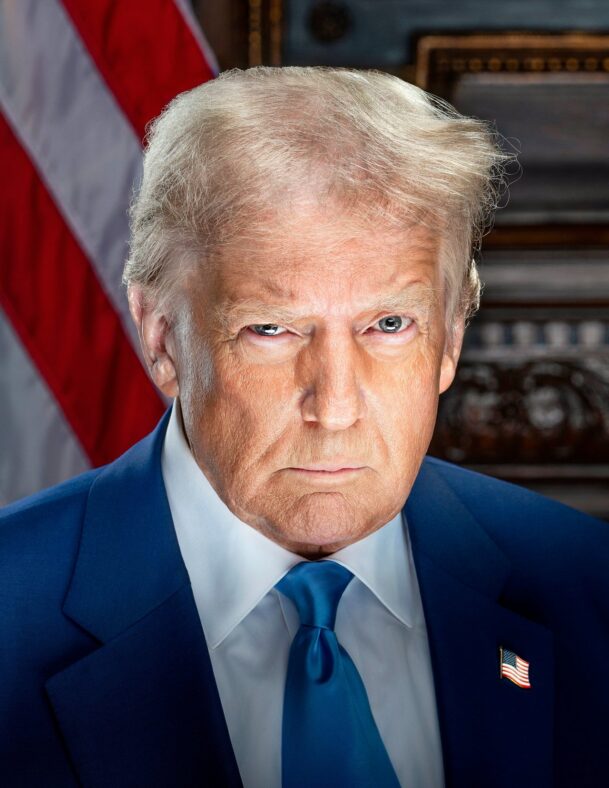
Daniel Torok/Wikimedia Commons
In a significant moment for congressional oversight, the U.S. Senate recently adopted a resolution directing the president to remove military forces from conflict with Iran. This move, while symbolic in some respects, underscores a recurring tension between the executive and legislative branches over the authority to commit the nation to military action. Understanding the nuances of such votes can help shed light on the intricate dance of power in Washington.
This particular vote reflects a growing sentiment in Congress for greater involvement in foreign policy decisions, especially concerning military engagements. It’s a key example of how checks and balances are designed to function, even when opinions across the political spectrum differ.
Understanding Congressional War Powers
At the heart of this debate is the War Powers Resolution of 1973, enacted to limit the president’s ability to wage war without congressional approval. While presidents have often challenged its constitutionality, Congress frequently invokes it to assert its role. The Constitution grants Congress the power to declare war, raise and support armies, and provide for a navy, while the president acts as Commander-in-Chief. This creates an inherent tension, and resolutions like the one recently passed are Congress’s way of reminding the executive branch of its constitutional mandate.
For citizens, understanding this framework is crucial to appreciating why these votes, even when not legally binding, are important statements about the direction of U.S. foreign policy and the separation of powers.
The Significance of a “Concurrent Resolution”
The resolution adopted by the Senate is what’s known as a concurrent resolution. This means it does not require the president’s signature to pass and, by definition, does not carry the full force of law. This technical detail has led to differing interpretations, with the White House dismissing its significance and a White House official stating it “has no significance” and that there are “no hostilities from which to remove U.S. forces” following a ceasefire.
However, a House Democratic aide involved in the effort has argued the measure would be binding. Regardless of its direct legal impact, such a resolution serves as a powerful message from a co-equal branch of government, indicating a clear congressional stance on military engagement and potentially influencing future policy decisions.
Why the Bipartisan Support Matters
The recent Senate vote, passing 50-48, was notable for its bipartisan support. Several Republican senators, including Rand Paul, Susan Collins, Lisa Murkowski, and Bill Cassidy, joined Democrats in voting for the resolution, demonstrating a cross-party desire for congressional oversight in foreign military actions. Conversely, Democratic Sen. John Fetterman voted against it. The absences of GOP Sens. Mitch McConnell and Dave McCormick, who had previously opposed similar measures, also played a role in its adoption.
This bipartisan coalition, even if slim, sends a stronger signal than a purely party-line vote. It suggests a broader concern across Congress about the scope of presidential war-making authority, potentially setting a precedent for future legislative challenges to executive actions.
The Ongoing Debate Over Executive Authority
This vote is not an isolated incident but rather the latest chapter in a long-running debate over the balance of power in foreign policy. It marks the 10th time the Senate has voted on an Iran war powers measure since the beginning of the year. The House also passed a similar concurrent resolution 215-208, with four House Republicans crossing the aisle, drawing sharp criticism from the former president, who called the measure “poorly timed and meaningless” and accused senators of providing “aid and comfort [to] the Enemy.”
Despite presidential objections and the non-binding nature of the concurrent resolution, many in Congress, like Sen. Tim Kaine, argue that such votes are crucial. They serve to ensure that even amid diplomatic agreements or periods of stability, Congress remains involved in decisions that could lead to renewed military conflict.
These votes, whether legally binding or primarily symbolic, are vital expressions of democratic oversight in foreign policy. They represent an ongoing dialogue about the appropriate roles of the legislative and executive branches in committing the nation to military action, providing an important check on power for the benefit of all citizens.