Raleigh’s E-Scooter Accident Spike: What’s Behind the Sudden Surge?
Raleigh faces a sharp rise in e-scooter crashes, sparking safety concerns and calls for tighter regulations across the city.
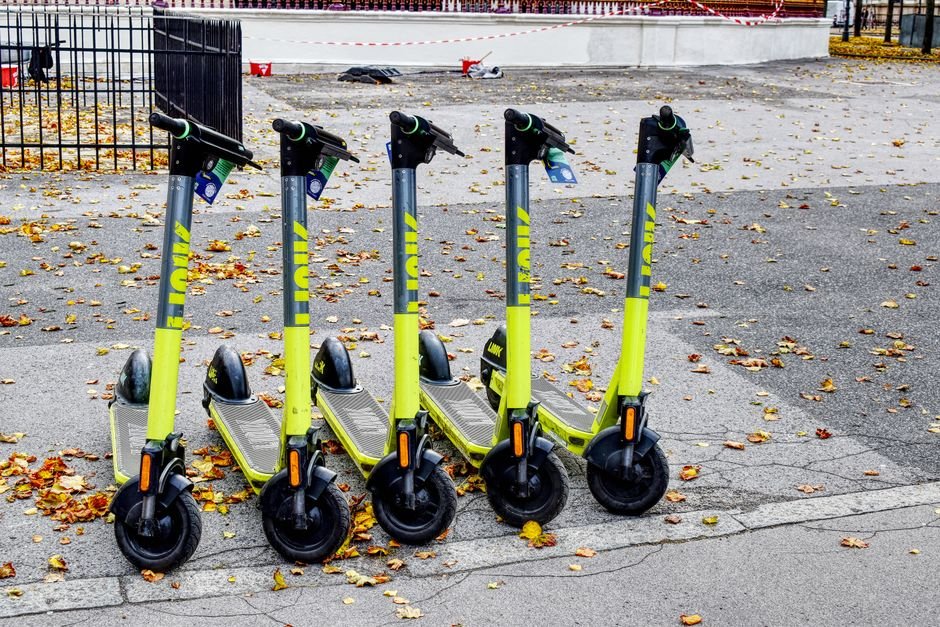
Saša Radojčić/Pexels
Raleigh, North Carolina, has experienced a significant surge in e-scooter accidents over the past six months, raising alarms among city officials and residents alike. As electric scooters become an increasingly popular mode of transportation, this rise in crashes is prompting discussions on safety measures, infrastructure improvements, and regulatory changes. The trend is not unique to Raleigh but is particularly concerning given the city’s rapid growth and expanding micro-mobility market.
Rising Popularity and Its Consequences

Electric scooters, or e-scooters, have transformed urban mobility in Raleigh by offering a convenient, eco-friendly alternative for short trips. Since their introduction in the city, e-scooters have gained widespread adoption among commuters, students, and tourists. However, this convenience has come with unintended consequences. The number of reported e-scooter-related accidents jumped by 45% compared to the same period last year, according to Raleigh’s Department of Transportation.
Many of these incidents involve collisions with vehicles, pedestrians, or fixed objects, often resulting in injuries ranging from minor scrapes to serious fractures. Contributing factors include lack of helmet use, inexperienced riders, and insufficient awareness of traffic rules. As more people turn to e-scooters, the risk of accidents grows without corresponding improvements in safety education and infrastructure.
Infrastructure Challenges and Urban Design

One key issue driving the accident surge is Raleigh’s current urban infrastructure, which was not originally designed to accommodate e-scooters. Narrow sidewalks, uneven pavement, and limited dedicated bike lanes force riders to navigate hazardous conditions. This increases the likelihood of falls and collisions, especially during peak traffic hours or poor weather.
City planners are now exploring ways to retrofit streets and sidewalks to better support micro-mobility devices. Proposed solutions include expanding protected bike lanes, improving road surface quality, and installing clearer signage to guide riders and drivers alike. However, funding and logistical challenges remain a barrier to rapid implementation.
Regulation and Enforcement Efforts
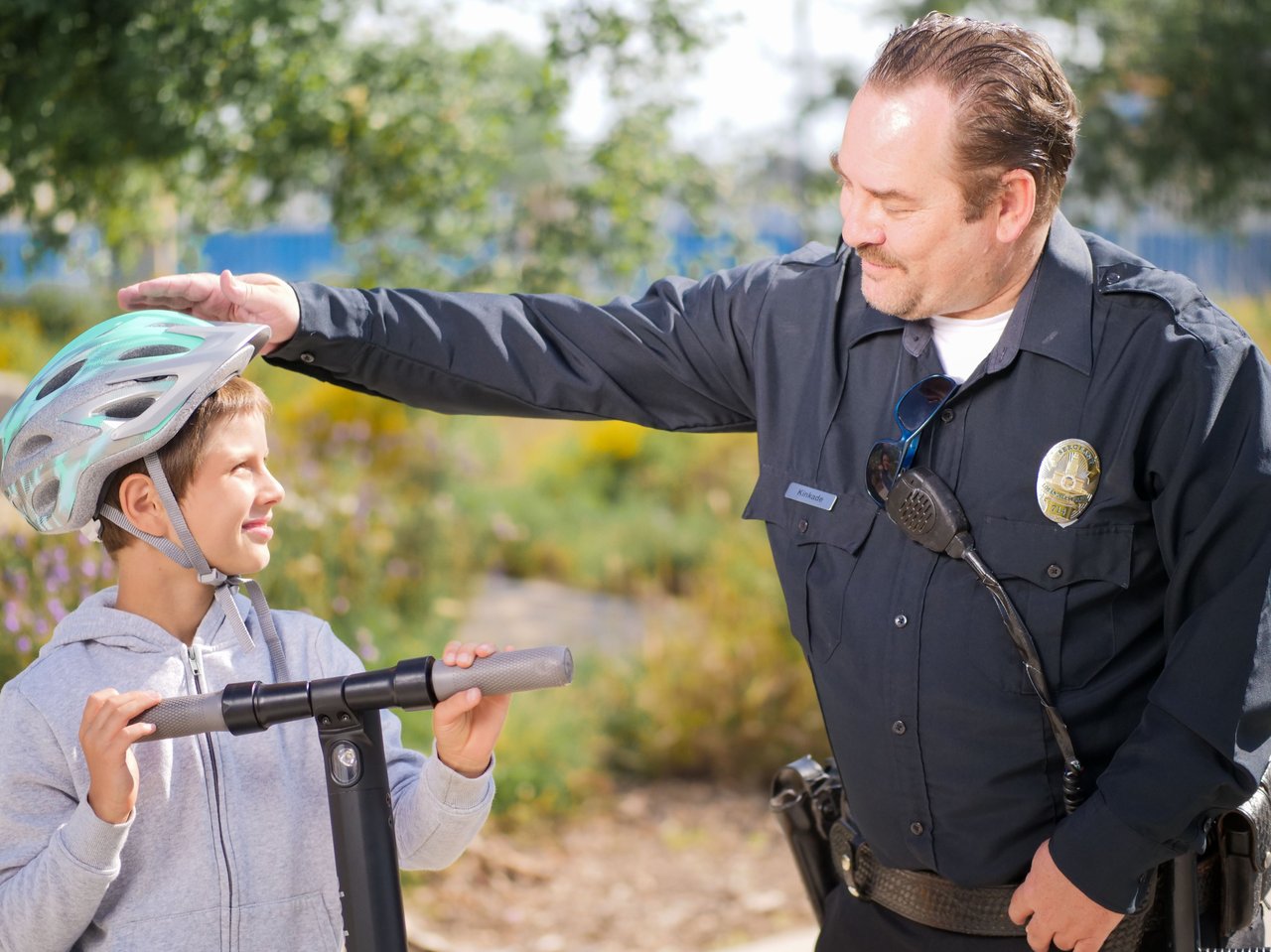
In response to the accident increase, Raleigh officials are considering enhanced regulations targeting e-scooter usage. Possible measures include mandatory helmet laws, stricter speed limits, and designated parking zones to reduce sidewalk clutter. Furthermore, enforcement of existing traffic laws for scooter riders is being stepped up, with police issuing more citations for reckless riding and sidewalk violations.
Local e-scooter companies have also pledged to improve rider education through in-app tutorials and safety campaigns. Collaboration between operators, city authorities, and community groups aims to strike a balance between accessibility and safety, ensuring that e-scooters remain a viable part of Raleigh’s transportation ecosystem.
Community Reactions and Safety Advocacy

Residents of Raleigh have expressed mixed feelings about the rise in e-scooter accidents. While many appreciate the convenience and environmental benefits, others worry about pedestrian safety and the impact on public spaces. Parents and elderly citizens, in particular, have called for stricter controls to protect vulnerable populations.
Advocacy groups are pushing for comprehensive safety programs that include helmet giveaways, public awareness campaigns, and better integration of e-scooters into existing transit networks. They emphasize that education and infrastructure improvements must go hand in hand to reduce accidents effectively.
- Increased helmet usage
- Expanded bike lane networks
- Clearer traffic regulations
- Enhanced rider education
- Improved enforcement of laws
As Raleigh confronts the challenges posed by the spike in e-scooter accidents, the city’s approach will likely serve as a model for other rapidly growing urban areas grappling with the integration of micro-mobility solutions. Balancing innovation with safety remains the top priority for all stakeholders involved.