Team Trump Revives Notorious White Supremacist Phrase in Political Messaging
President Trump’s team uses the phrase “Which way Western Man?” linked to white supremacist rhetoric on social media.
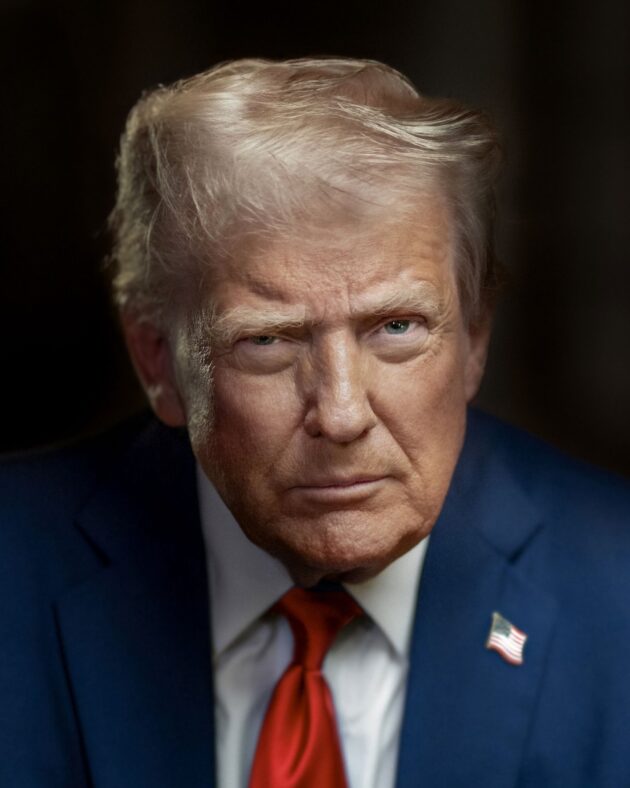
Daniel Torok/Wikimedia Commons
The political operation supporting President Donald Trump sparked controversy again on Wednesday afternoon when its official “war room” social media account posted the phrase, “Which way Western Man?” While many may overlook the message, it bears strong ties to language recognized by white supremacists and fascists. This echoes a pattern of coded messaging by the Trump administration that has drawn scrutiny over the past two years.
Origins of the Phrase and Its White Supremacist Roots
Last year, a Newsweek investigation revealed the phrase’s troubling background. The Department of Homeland Security previously posted a similar message on X that read, “Which way, American man?” This quote is believed to reference the 1978 book Which Way, Western Man by William Gayley Simpson, an avowed white supremacist who openly argued in favor of Hitler and called for the killing of Jews. Simpson’s work has been embraced by extremist groups, making the phrase a dog whistle for such ideologies.
Repeated Use of Extremist-Linked Messaging by the Trump Administration
The recent post comes just three weeks before Wednesday when Homeland Security Secretary Markwayne Mullin accused the political left of trying to “vandalize the demographics of America” on social media. Beyond these two examples, a New York Times report earlier this year highlighted a disturbing trend. Official White House and department accounts have shared posts referencing neo-Nazi literature, ethnic cleansing, and QAnon conspiracies. They have even promoted lyrics from anthems used by far-right groups such as the Proud Boys.
One notable example from January involved a joint recruitment ad from the White House and DHS for Immigration and Customs Enforcement that began with the phrase, “WE’LL HAVE OUR HOME AGAIN.” Observers quickly identified this as the title of a song written by a self-described “pro-White fraternal order” and embraced by white nationalist groups.
Official Denials and Expert Analysis
Despite these connections, administration officials have consistently denied any intent to signal or communicate with right-wing extremist groups. They maintain that similarities in rhetoric are coincidental. However, experts are not convinced. William Braniff, director of the Polarization and Extremism Research and Innovation Lab at American University, told the New York Times that while a single post might be overlooked, “when you add it all together, it’s much harder to dismiss.” His assessment highlights the cumulative effect of repeated messaging from official government accounts.
Implications for Political Communication and Public Trust
The resurgence of such coded language by a sitting administration raises serious questions about political communication strategies and their impact on public discourse. Using phrases with known extremist connotations can embolden fringe groups and further polarize the nation. Observers and critics argue that this pattern undermines trust in government institutions and threatens to normalize extremist views within mainstream politics.
As President Trump’s political team continues to wield these controversial rhetorical tactics, the broader public and watchdog organizations remain vigilant in monitoring their implications for democracy and social cohesion.