Trump Approval Rating Dips as Democrats Hold Double-Digit Lead in Polls
President Trump’s approval rating drops sharply in September 2026, with Democrats leading Republicans by double digits in recent polls.
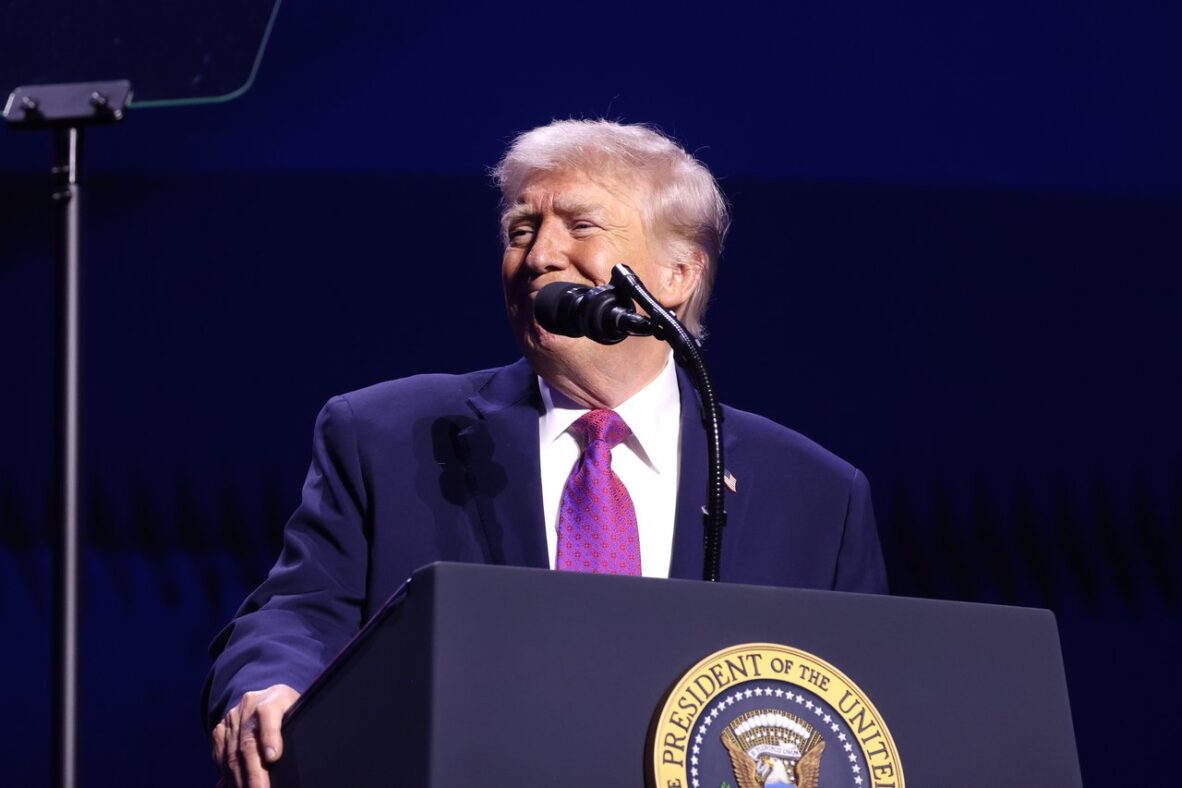
Gage Skidmore/Wikimedia Commons
President Donald Trump’s approval rating has declined notably in September 2026, as a new national poll reveals Democrats leading Republicans by a double-digit margin. The survey highlights growing challenges for the Republican Party amid key legislative debates and mounting public concerns over economic and social issues.
Poll Results Show Growing Democratic Advantage
The latest poll conducted by the respected National Public Opinion Center (NPOC) shows President Trump’s approval rating slipping to 42%, down from 48% just three months ago. In contrast, the Democratic Party’s favorability has increased, with 53% of respondents expressing support for Democratic candidates in upcoming congressional races. This 11-point lead marks a significant shift in voter sentiment compared to earlier in 2026.
Political analysts attribute the widening gap to several factors, including voter dissatisfaction with recent Republican policies and the ongoing debates over healthcare reforms and inflation control. The poll surveyed over 2,000 registered voters nationwide between September 10 and September 18, 2026, offering a comprehensive snapshot of public opinion as the midterm election season approaches.
Economic Concerns Fuel Voter Uncertainty
Economic issues continue to be a critical factor influencing voter attitudes. Despite President Trump’s administration touting progress on job growth and market stability, many Americans remain worried about rising living costs and wage stagnation. The poll found that 62% of respondents rated the economy as only “fair” or “poor,” underscoring the persistent unease among voters.
Experts note that inflation remains a top concern for households across North Carolina and nationwide, with rising prices for essentials such as food, fuel, and housing weighing heavily on public opinion. This economic anxiety has translated into diminished enthusiasm for the president’s economic agenda and increased openness toward Democratic proposals promising relief and reform.
Impact on Congressional Races in North Carolina
This shift in public mood is particularly relevant for North Carolina’s competitive congressional districts, including several in Wayne and Duplin counties. Democratic candidates are capitalizing on the momentum, emphasizing plans to address healthcare affordability, infrastructure investment, and education funding.
Local political strategist Maria Jennings commented, “The polls reflect a clear message from voters who want change. In districts that were once safely Republican, Democrats are now within striking distance. How candidates respond to these concerns in the next few weeks will be crucial.” Republican incumbents, meanwhile, are focusing on law and order, economic growth, and border security to maintain their base.
President Trump’s Response and Party Strategy
In response to the declining approval ratings, President Trump has intensified his messaging on immigration and national security, framing the midterms as a referendum on his leadership and America’s future. Vice President JD Vance and House Speaker Mike Johnson have echoed this stance, rallying Republican voters ahead of the November elections.
Despite the challenges, party officials remain optimistic about turnout and are investing heavily in grassroots mobilization efforts in battleground states. Senate Majority Leader John Thune emphasized the importance of unity, stating, “We’re focused on delivering results for Americans and winning back trust through action. Our agenda remains strong, and we’re confident voters will recognize that.”
As election day nears, both parties are preparing for a fierce contest that could reshape the balance of power in Washington and impact the trajectory of President Trump’s second term.
Overall, the latest poll underscores a volatile political environment, with economic concerns and public dissatisfaction creating headwinds for the Republican administration. Voters in North Carolina and beyond will be watching closely as campaigns intensify in the coming weeks.