Trump Battles Midterm Challenges as Democrats Gain Ground in Key States
President Trump rallies voters as polls show Democrats leading in states he won easily in 2024, with economic concerns looming.
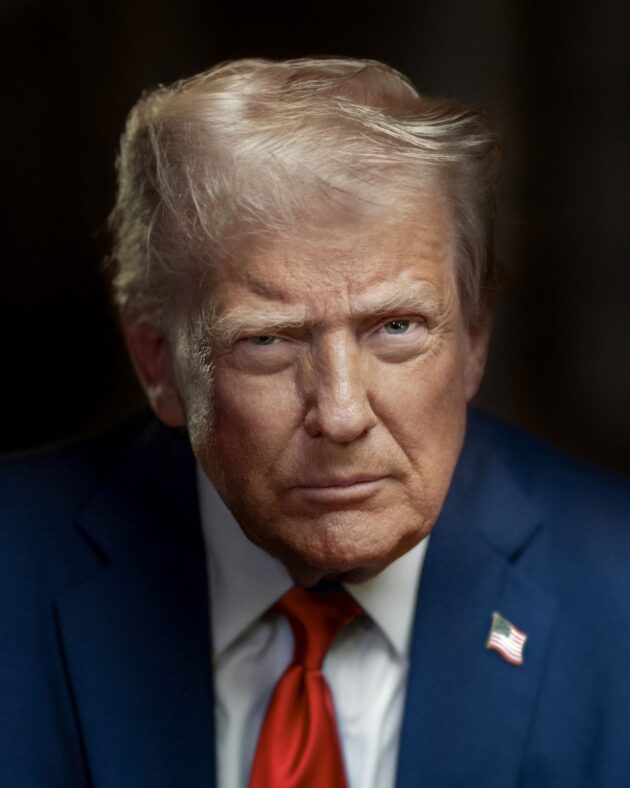
Daniel Torok/Wikimedia Commons
With just four weeks until Election Day on November 2, 2026, President Donald Trump is campaigning aggressively to shore up Republican support in states once considered safe territory. Despite his efforts, recent polling data indicates increasing danger for Republicans, as Democrats lead or are in tight races in states Trump won decisively two years ago. Economic concerns, rising fuel prices tied to the Iran war, and shifting Latino voter sentiment threaten the GOP’s hold on Congress.
Trump’s Campaign Push Amid Rising Democratic Momentum
President Trump has intensified his travel schedule in a sign of his party’s defensive posture. On October 2, he spoke at a rally in Alabama, a deeply Republican state, urging voters there to “pretend I’m on the ballot” and promoting his proclaimed “golden age” for the economy. The following day, he rallied support in Ohio, a state he won by 11 points in 2024, where a key Senate race is now too close to call. At that event, Trump made a crude promise to his supporters, saying, “We’re going to win big, and we’re going to shove it up their ass,” emphasizing the stakes as Democrats aim to flip control of both the House and Senate.
Economic Concerns Loom Large Over GOP Prospects
Despite President Trump’s assertion of an economic “golden age,” many voters remain concerned about rising costs. Kevin Hassett, director of the National Economic Council, dismissed claims of widespread economic distress as partisan exaggeration during a Sunday CNN appearance, blaming high grocery and food prices on former President Joe Biden. Hassett also characterized the recent low job creation figure of 29,000 for September as an outlier. However, multiple polls contradict the White House narrative. A CBS News poll found 70% of voters believe Trump’s policies are driving price increases, while 56% hold Trump responsible for the current economy versus 20% blaming Biden. An AP/NORC poll last week reported 69% of adults say Trump’s handling of the cost of living has been worse than expected.
Midterm Stakes: Narrow Margins in Congress and Supreme Court Implications
Democrats currently hold 214 seats in the House compared with 219 for Republicans (including one independent caucusing with the GOP). They need a net gain of just a few seats to reclaim the majority. In the Senate, Democrats are also vying for a four-seat net gain to secure control. This battle carries significant implications beyond the midterms themselves, as a Democratic majority could investigate Trump’s White House and family finances during his final years in office. Meanwhile, conservative Justice Samuel Alito has indicated he considers retirement every term, raising the potential for a Supreme Court nomination fight if Democrats succeed.
Voter Sentiment Reflects Economic Frustration and Political Anger
While Democrats criticize Trump’s promised payouts to seniors and adults as attempts to “buy votes,” GOP Senator John Kennedy of Louisiana has called for honesty about the cost of living, stating on NBC’s “Meet the Press” that “we keep telling them not to believe their own lying checkbooks.” Kennedy acknowledged widespread voter anger and melancholy over economic conditions. Arizona Senator Mark Kelly dismissed Trump’s cash giveaways as insufficient to address real financial struggles. This economic dissatisfaction appears to be swaying key demographics, including Latino voters who helped deliver Trump’s 2024 victory but are now drifting away.
As Election Day approaches, the midterms are shaping up as a referendum on President Trump’s leadership and economic policies, with both parties locked in a high-stakes battle for control of Congress amid an atmosphere of voter unease and political intensity.