Iran’s Rial Hits Record Low as Oil Exports Dry Up Amid U.S. Blockade
Iran’s currency plunges to over 2.5 million rials per dollar as U.S. naval blockade halts oil exports and sanctions tighten.
Engin Akyurt/Pexels
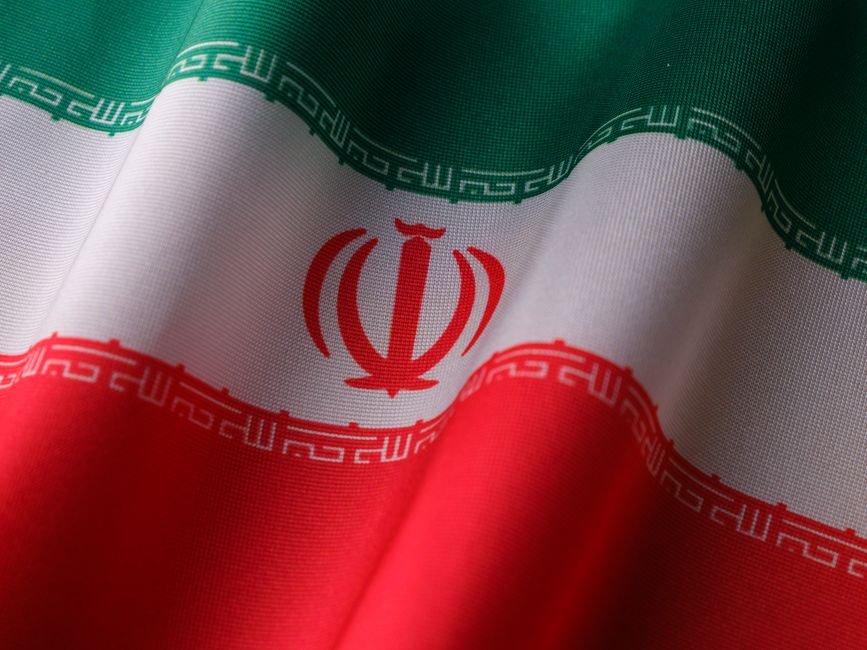
Iran’s currency has plunged to unprecedented lows as the country faces a near-total halt in oil exports due to a U.S. naval blockade, compounded by tightened sanctions and severe economic hardships. The rial hit a record low of more than 2.5 million per U.S. dollar this week, marking a dramatic fall since the start of the year amid dwindling hard currency revenues and growing domestic instability.
Oil Exports Grounded by U.S. Naval Blockade
The U.S. naval blockade has effectively reduced Iran’s oil exports to almost zero, severely limiting Tehran’s ability to generate critical revenue. According to Homayoun Falakshahi, head of crude oil analysis at Kpler, Iran did not load any oil at its export terminals last month—the first time since the 1979 Islamic Revolution. Meanwhile, Persian Gulf neighbors have increased their shipments under the U.S. military’s protection, eroding Iran’s control over the strategic Strait of Hormuz.
Iran is currently relying on a limited supply of oil already stored in tankers at sea before the blockade took full effect in mid-July. Kpler estimates these reserves total 90 million barrels and are expected to run out by mid-October. Payments for these final deliveries, mainly destined for China, could continue through December, but once depleted, Iran will lose its primary source of hard currency, which historically accounts for about a third of its state budget and funds key groups like the Islamic Revolutionary Guard Corps.
Economic Turmoil and Currency Collapse
Iran’s economy is in steep decline, with inflation nearing 90%, a GDP contraction forecasted at 5.4% this year, rising unemployment, and ongoing energy rationing. The rial’s exchange rate has spiraled downward, hitting a new record low of over 2.5 million rials per dollar on a recent Tuesday, following a previous low of 2.2 million on September 2. At the beginning of 2026, the rate was near 1.5 million, and as recently as August, it traded at around 920,000—indicating a 170% plunge since then. For context, the rial began 2018 at 35,000 per dollar.
These conditions have prompted concern from Iran’s Supreme Leader Ayatollah Mojtaba Khamenei about the country’s “social cohesion.” A prior currency collapse late last year sparked widespread protests, which were violently suppressed early this year. The rial’s ongoing collapse since the February U.S. and Israeli military actions has intensified fears of renewed unrest.
Sanctions and Blocked Revenues Worsen Crisis
U.S. sanctions tightened further last month, targeting Iran’s ability to move money through front companies and covert channels. Iranian President Masoud Pezeshkian lamented in a Fox News interview that the regime’s funds in China are frozen, stating, “We can’t even get our own money out of a country to which we’ve supplied goods, let alone using those funds to pay someone else in another corner of the world.”
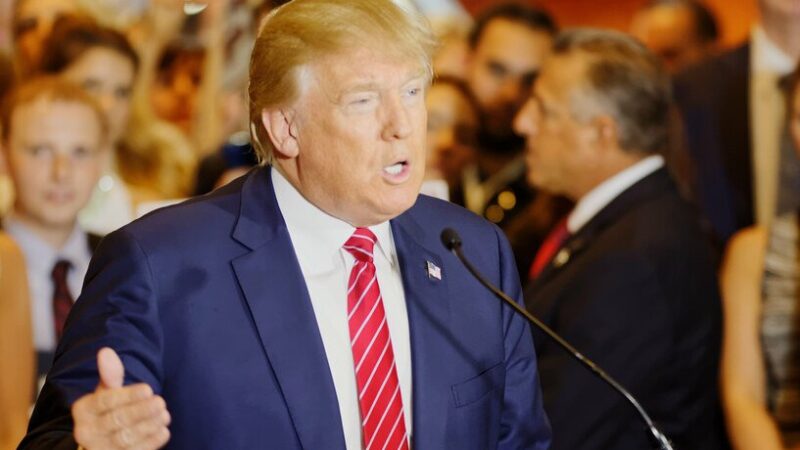
President Donald Trump has maintained a firm stance, allowing the economic pressure campaign to continue without negotiating with Tehran. Secretary of State Marco Rubio echoed this position on Fox News, warning that Iran is heading toward an economic “cataclysm.” Rubio emphasized the strategic impact of denying Iran access to oil revenues and sanctions, stating it prevents the regime from funding activities that threaten Americans, global security, and its own people.
Outlook and Regional Implications
With oil revenues set to vanish by mid-October and sanctions strangling financial flows, Iran faces unprecedented economic isolation. The loss of oil income jeopardizes not only the state budget but also the funding for military groups, potentially destabilizing the regime further. The ongoing crisis raises concerns about escalating internal unrest and the wider regional balance of power.
Iran’s economic collapse and currency devaluation highlight the effectiveness of U.S. economic warfare under President Donald Trump’s administration and underscore the regime’s precarious position amid intensifying global pressure.