Trump Claims 2024 Butler Assassination Attempt Was a ‘Democrat Plot’ Without Evidence
President Trump accused Democrats of plotting the 2024 Butler assassination attempt, demanding accountability from the FBI without providing proof.
Daniel Torok/Wikimedia Commons
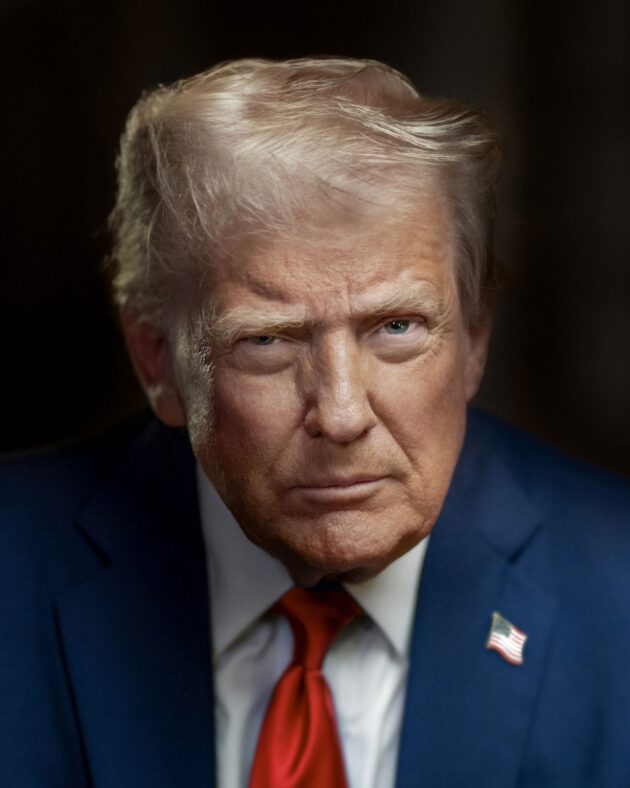
President Donald Trump on Tuesday renewed his controversial claim that the 2024 assassination attempt against him in Butler, Pennsylvania, was orchestrated by Democrats to remove him from the presidential race. Speaking publicly without presenting any new evidence, Trump criticized the FBI’s handling of the case and called for consequences for former FBI Director Christopher Wray.
Trump’s Accusations Against Democrats and the FBI
During remarks on September 15, 2026, President Trump asserted that the assassination attempt, which occurred on July 13, 2024, was part of a deliberate Democratic conspiracy. He accused the FBI, under former President Joe Biden’s administration, of covering up vital details related to the investigation. Trump stated that most information about the shooting was missing when he resumed office in 2025 but claimed new documents had recently surfaced without specifying what they contained.
“This was all a Democrat Plot, to get me out of the Election, that failed,” Trump wrote on social media. He also targeted Christopher Wray, who was FBI Director at the time of the shooting and resigned before Trump’s second inauguration in January 2025, saying Wray “should pay a price for the way he handled this assassination attempt, and certainly for the things he said.” No evidence was offered to substantiate the claims.
FBI and DOJ Responses to the President’s Allegations
FBI Director Kash Patel testified at a Senate Judiciary Committee hearing on September 15, addressing questions about the investigation into suspect Thomas Matthew Crooks. Patel said the FBI found no links between Crooks and any co-conspirators, noting that Crooks allegedly spoke only to his parents before the attack. Patel described the agency’s efforts as “Herculean” in reviewing all documents to determine if any intelligence was missed.
Attorney General Todd Blanche declined to confirm a broader conspiracy or to comment on potential punishments following Trump’s demand that Wray be held accountable. Blanche said that the “new information” referenced by Trump pertains primarily to Crooks’ background, which was recently compiled in response to Senate inquiries. “The Department of Justice doesn’t punish,” Blanche remarked, emphasizing a focus on transparency and investigation rather than retribution.
Details of the 2024 Butler Shooting and Investigation
The assassination attempt took place during a campaign rally in Butler, Pennsylvania, when Crooks fired from the roof of a nearby building, striking President Trump’s ear with a bullet. The attack killed one bystander and wounded two others. Secret Service and FBI investigations immediately followed, but many details remained unclear for months.
Media outlets including Fox News and The New York Post reported on federal documents showing Crooks used the alias “Bob Dole” to order suspicious packages and noted that Crooks’ body was cremated shortly after the shooting with funds from an anonymous donor. However, neither outlet found evidence supporting a coordinated political plot behind the attack. ABC News has not independently verified these documents.
Political and Public Reactions
Trump’s claims have reignited political tensions around the FBI’s role in investigating threats against the president. Critics have called the accusations unfounded and damaging to public trust in federal law enforcement. Supporters view Trump’s statements as a call to hold agencies accountable for perceived failures.
The Senate Oversight Committee continues to review the case amid increased scrutiny of intelligence operations during the 2024 election cycle. Meanwhile, federal officials stress the importance of evidence-based assessments to avoid politicizing critical national security matters.
As the debate over the Butler assassination attempt unfolds, questions remain about what new information has emerged and how it might affect future investigations and public confidence in government institutions.