Trump Pushes Plan to Restart Russian Gas Exports to Europe Amid Energy Crisis
President Trump’s administration seeks to revive Russian gas exports to Europe via Ukraine, risking EU energy goals amid soaring fuel costs.
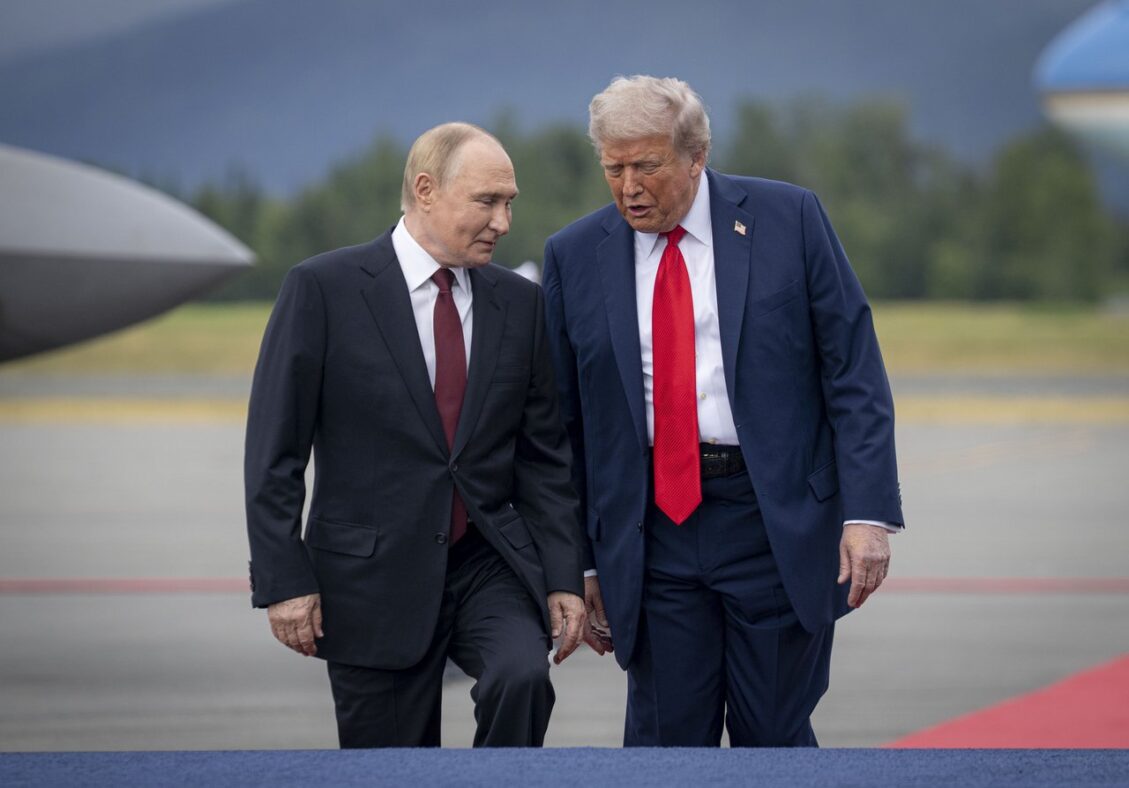
Benjamin D Applebaum/Wikimedia Commons
President Donald Trump is advancing a controversial proposal to reopen Russian natural gas exports to Europe through pipelines running across Ukraine. The plan, revealed in recent reports, aims to provide Russian leader Vladimir Putin with billions of dollars in gas revenue while offering American investors a share of the profits. The initiative has sparked sharp criticism from European officials concerned about energy security and geopolitical risks.
Details of the Proposed Gas Export Plan
According to the Wall Street Journal, Trump’s envoys Jared Kushner and Steve Witkoff presented the proposal during visits to Moscow and Kyiv in September. The plan would allow Russia to sell natural gas to Europe using a U.S. intermediary to circumvent sanctions currently in place. Proceeds from the sales would be deposited into an escrow account held in a third-party jurisdiction, designed to prevent the Kremlin from using the funds to finance its ongoing war.
This arrangement is intended to provide a financial incentive for Putin to halt attacks on energy infrastructure, especially through an energy ceasefire during the upcoming winter months. Ukraine would benefit by collecting fees for gas transit, and U.S. investors could potentially profit from their intermediary role in the trade.
European Opposition and Energy Security Concerns
The proposal faces strong opposition from European leaders who view it as undermining efforts to reduce dependence on Russian energy. The European Union has enacted legislation requiring Russian natural gas imports to be phased out by the end of 2027. EU Energy Commissioner Dan Jorgensen stated in October, “I certainly would not trust Russia. Even if there were peace tomorrow, which we all hope for.”
Senior European officials expressed scathing criticism of the Trump administration’s plan. One Nordic official told the Wall Street Journal that resuming Russian gas purchases would be contrary to Europe’s values, while another compared the proposal to Neville Chamberlain’s appeasement of Adolf Hitler.
Context: Energy Crisis and Political Dynamics
The renewed push to reopen Russian gas exports comes amid soaring global fuel prices linked to conflicts including the Russia-Ukraine war and tensions with Iran. Ahead of the November 3 midterm elections, the average price of gasoline in the U.S. stands at $4.17 per gallon, with diesel prices at $6.29, according to AAA statistics.
In an effort to reduce fuel costs, President Trump has waived congressionally approved sanctions to allow the U.S. to import Russian diesel. The EU estimates that the conflict with Iran has added approximately 100 billion euros (around $112 billion) to its energy bill.
Trump’s Shift on Russian Energy and the Search for Peace
Trump’s current stance represents a sharp reversal from his previous position. In 2019, he condemned Germany’s Nord Stream 2 pipeline, labeling it as making Berlin “captive to Russia,” and imposed sanctions on the project. Now, his administration views renewed Russian gas exports as a pathway to the peace deal Trump promised he would negotiate within “one day” of taking office in January 2025.
A prior energy ceasefire brokered by Trump collapsed after Russia continued attacks on Ukrainian energy infrastructure. Following these attacks, Ukraine resumed strikes on Russian plants. The escalation has increased urgency to secure an energy ceasefire before planned peace talks between the U.S., Russia, and Ukraine set for mid-November in Abu Dhabi. However, Moscow has so far rejected American attempts at a deal.
The White House has been contacted for comment regarding the leaked proposal.