Trump’s Comments on Iran War Raise Questions of Treason and National Security
President Trump’s remarks inviting Iran to attack California during active war provoke strong backlash and legal scrutiny.
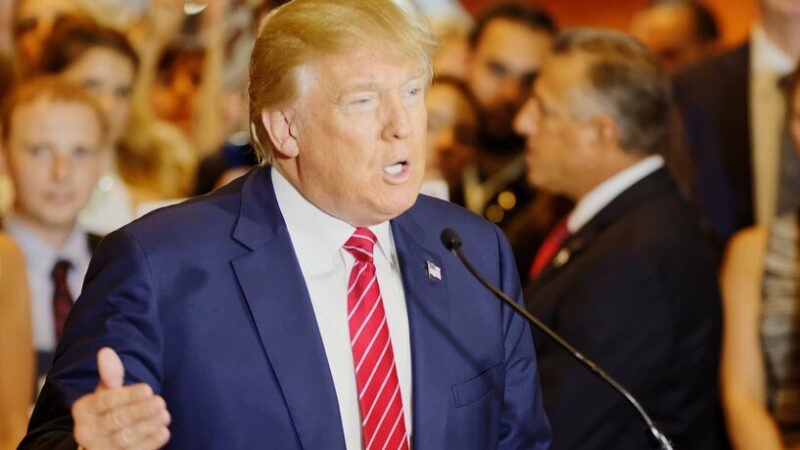
Daniel Torok/Wikimedia Commons
On February 28, 2026, President Donald Trump unexpectedly announced that the U.S. had launched major combat operations in Iran without consulting allies, Congress, or the American public. Since then, his handling of the war has been marked by confusion, contradictory messaging, and most recently, alarming comments that appear to invite hostile attacks on U.S. soil. These remarks have sparked fierce criticism and raised questions about possible treason, a crime uniquely defined in the U.S. Constitution.
Trump’s Unilateral War Announcement and Ongoing Confusion
President Trump’s sudden declaration of war on Iran in the middle of the night left the world reeling. He did not pre-sell, pre-plan, or explain the rationale behind the military action to anyone except Israel and disregarded the opinions of allies, Congress, and the American people. Seven months into the conflict, Trump has failed to articulate clear, consistent objectives. His messaging oscillates wildly, one hour claiming victory and the next threatening Iran with “total annihilation,” while simultaneously promising a swift end to the war.
The consequences of this approach have been severe. The complexities of war in the Strait of Hormuz, supply logistics, and oil market impacts were never properly debated or addressed. The ongoing instability and escalating violence have harmed global relations and strained national security.
Controversial Remarks at Nebraska Rally Spark Outrage
On Monday night, during a Republican rally in Grand Island, Nebraska, Trump minimized the war’s rising costs as a “small price to pay” for long-term security. He then shocked the nation by stating, “They can take out a city. Let them take, let them take out Los Angeles; let them take out San Diego.” This statement seemed to casually accept the potential destruction of two major California cities amid an ongoing war with Iran.
San Diego is not only a populous city but also a critical military hub. It hosts the largest concentration of Marine Corps expeditionary power and over 115,000 active-duty service members. Naval Base San Diego is the largest surface ship homeport on the West Coast and the Pacific Fleet’s principal homeport, with more than 50 ships stationed across 13 piers. The area also includes Naval Base Coronado, Naval Base Point Loma, and several Marine Corps installations such as Air Station Miramar and Marine Corps Recruit Depot.
Trump’s remarks effectively invited a hostile enemy, currently under U.S. bombardment, to attack vital military and civilian targets on American soil. Such a statement, whether intentional or not, carries grave implications, potentially qualifying as “aid and comfort” to the enemy under the constitutional definition of treason.
Legal and Political Backlash Intensifies
The reaction to Trump’s comments was immediate and strong. California Governor Gavin Newsom condemned the remarks as “deranged and dangerous,” calling Trump “mentally ill” and urging invocation of the 25th Amendment to remove him from office. Newsom highlighted the irony of Trump sending National Guard and Marines to occupy California while simultaneously inviting enemy attacks on its cities.
Even some Republicans broke ranks. Jim Desmond, a Trump-endorsed Republican candidate for a U.S. House seat in California and Navy veteran, “vehemently” disagreed with Trump’s stance. Desmond emphasized that no American city is expendable and that protecting Americans from threats is paramount.
White House Communications Director Steven Cheung defended Trump, dismissing criticism as “not rooted in reality.” However, intelligence assessments and ongoing military escalations contradict claims that Iran’s nuclear program has been obliterated.
The Constitutional Weight of Treason and National Security Risks
Treason, as defined in Article III, Section 3 of the U.S. Constitution, includes levying war against the United States or giving aid and comfort to its enemies. “Aid and comfort” extends beyond weapons or secrets to include moral or psychological support that strengthens adversaries or undermines America.
As president, Trump’s words carry extraordinary influence. Suggesting tolerance or even invitation of an Iranian strike on American cities during an active conflict is unprecedented and dangerously reckless. Iran’s cleric rulers, who view killing Americans as a path to heaven, could interpret Trump’s remarks as encouragement to attack, potentially exacerbating the war and endangering countless lives.
In sum, President Trump’s comments on the Iran war reveal a disturbing disregard for national security and the constitutional oath to protect the nation. The consequences of such rhetoric and policy missteps continue to unfold, leaving the country and its allies to grapple with the fallout.