Trump Trade Deal Could Create $3.5 Billion Shortfall in Canada’s 2027-28 Budget
A new report warns Canada may lose C$5 billion in tariff revenue in 2027-28 if trade talks with President Trump end retaliatory tariffs early.
NASA/John Kraus/NASA
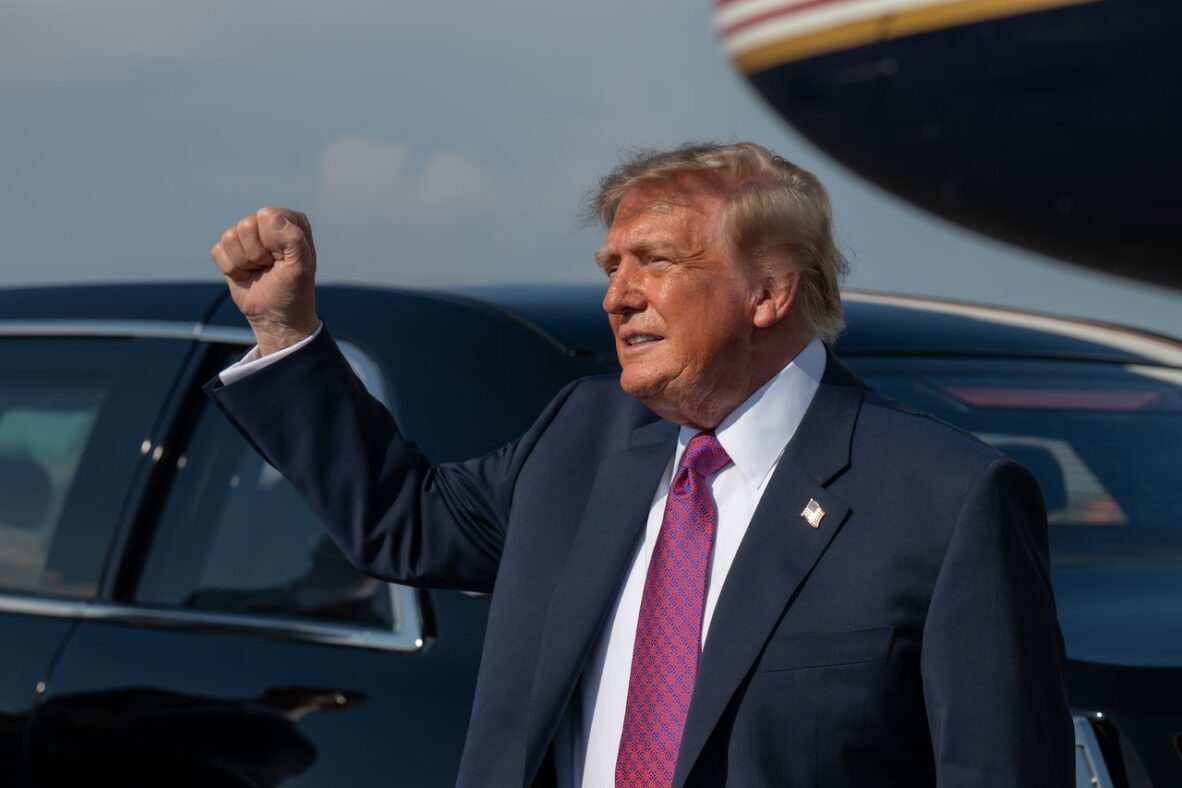
Canada could face a significant budget shortfall in the 2027-28 fiscal year if its ongoing trade negotiations with President Donald Trump lead to an early end of retaliatory tariffs. According to a new report by Canada’s Parliamentary Budget Office (PBO) released Tuesday, the country risks losing approximately 5 billion Canadian dollars (C$5 billion), equivalent to $3.5 billion USD, in annual tariff revenue if the trade war concludes sooner than expected.
Potential Impact on Canada’s Budget Deficit Targets
The PBO highlighted that Ottawa’s current budget assumes that retaliatory tariffs on American goods will remain in place through the 2027-28 financial year. Ending these tariffs earlier would reduce customs revenue by an estimated C$5 billion in that single year. While the watchdog did not confirm that this entire amount would directly increase the budget deficit, it warned that such a loss could hinder the government’s goal of reducing its deficit relative to the size of the economy.
A PBO spokesperson told Newsweek, “All else equal, losing about $5 billion in customs revenue that year would be enough for the ratio to stop declining,” referring to the deficit-to-GDP ratio target set by Prime Minister Mark Carney’s government. The report also noted that revenue could decline in 2026-27 if tariffs are removed earlier.
Government Response and Trade Negotiations
The Canadian Department of Finance defended the government’s stance, emphasizing that “the government’s top priority remains the removal of U.S. tariffs on Canadian goods.” A government official clarified, “The counter-tariffs are not a revenue-raising policy,” explaining that the tariffs were intended to protect Canadian workers and businesses rather than generate income for Ottawa.
Negotiations between teams representing President Trump and Prime Minister Mark Carney continue, with U.S. Treasury Secretary Scott Bessent recently expressing optimism about reaching agreements with Canada and Mexico. U.S. Trade Representative Jamieson Greer confirmed ongoing talks but indicated Washington has not set a deadline for a deal.
Economic and Industry Considerations
Carney has insisted that any trade agreement must safeguard Canada’s automotive industry, which has been severely affected by Trump’s tariffs. He has also warned that Canada might seek alternative investments from Chinese, European, and Japanese automakers if acceptable terms are not reached with Washington.
The PBO cautioned that the actual fiscal impact depends on the timing of a deal, its economic benefits, and Ottawa’s spending decisions. It noted that a trade agreement would not necessarily lead to the immediate removal of all retaliatory tariffs, and the broader economic gains from resolving the dispute might offset lost customs revenue.
Budget Deficit Margins and Fiscal Outlook
The PBO revealed that Canada’s government has only C$2 billion of fiscal room before missing its deficit-to-GDP reduction target for 2027-28—less than half the potential customs revenue shortfall identified. The report warned that the government’s own downside economic scenario could add C$3.6 billion to the projected deficit that year, breaching the target.
A Finance Canada official countered that Budget 2026 remains on track to meet fiscal anchors, including balancing day-to-day operating spending with revenues by 2027-28 and keeping the deficit-to-GDP ratio on a declining path.
The watchdog also emphasized that tariff revenues account for less than one percent of Ottawa’s projected C$560 billion in annual revenue for 2027-28, stating, “We would not describe the overall budget as reliant on tariff revenues.”
Budget Forecasts and Customs Revenue
Carney unveiled his latest budget earlier this month. Titled “Masters of our Destiny,” the budget promises to strengthen Canada’s economy, protect jobs, and invest in major projects.
The government anticipates a deficit of C$62.3 billion in 2026-27 and forecasts a similar C$62.5 billion shortfall for the following year. Customs revenue is expected to total C$11.1 billion in 2026-27 and rise to C$13.4 billion in 2027-28 before dropping sharply to C$8.1 billion in 2028-29 when Ottawa assumes retaliatory tariffs will no longer apply. This decline reflects the estimated annual revenue from the counter-tariffs that could end with a trade agreement.
While the report points to potential challenges, the Canadian government’s fiscal plans remain focused on balancing growth and deficit reduction amid ongoing trade talks with the United States.
Canada’s budget outlook now hinges on the pace and outcome of the negotiations between Prime Minister Carney and President Trump, with tariff revenues and deficit targets under close scrutiny as 2027-28 approaches.