Voices: We Are Now Watching Donald Trump’s Presidency Die on Live TV
Trump’s presidency faces unprecedented challenges as his playbook falters amid economic woes and foreign policy failures.
NASA/Bill Ingalls/NASA
Donald Trump’s presidency, a term-and-a-half marked by defiance and controversy, now appears to be unraveling in real time. From his unpredictable foreign policy decisions to deteriorating public approval ratings, the president faces mounting challenges that threaten the foundation of his administration as the midterm elections approach.
Trump’s Political Playbook Shows Signs of Wear
Throughout his leadership, Trump has relied on a familiar political strategy: deny, deafen, and deflect blame. This approach has helped him dominate the Republican Party and secure a second term in office. However, recent events suggest that this tactic may have reached its limit. His overnight condemnation of Kyiv’s strikes on Russian oil refineries as “a disgrace” — due to fears of sustained high global energy prices — reveals the complexity and contradictions within his policy stances.
Moreover, Trump’s announcement that the execution by firing squad of Nidal Malik Hasan will not be livestreamed marks a rare departure from his usual boldness. Despite his 2016 claim that he could “stand in the middle of Fifth Avenue and shoot somebody and I wouldn’t lose any voters,” the president has opted for discretion in this instance following bipartisan calls for reconsideration and comparisons to authoritarian regimes.
Middle East Policy and Economic Fallout Deepen Crisis
Trump’s aggressive stance in the Middle East, particularly involving Iran alongside Israel, is a significant factor behind the erosion of his support. While Russia’s invasion of Ukraine is attributed to predecessors, the inflation, worsening economic outlook, and soaring fuel prices are tied directly to Trump’s decision to strike Iran. These developments have left the American public increasingly dissatisfied with his leadership both regionally and economically.
The absence of a clear exit strategy compounds the president’s difficulties, with no viable path that would avoid a major political setback or a public admission of fault. This deadlock has contributed to a sharp decline in Trump’s approval ratings, reflecting growing concerns about the direction of his administration.
Rallies and International Relations Highlight Growing Tensions
Trump’s demeanor has grown noticeably irritable in recent weeks. During a rally in Arizona, he referred to attendees who fell ill as “collateral damage.” He also reiterated a sentiment from a previous interview, expressing confidence that certain supporters would stand by him no matter what, even if he committed a serious crime.
On the international stage, Trump’s efforts to broker a deal with Vladimir Putin to permit Russian diesel sales—aimed at lowering global fuel prices—have backfired. Ukrainian President Volodymyr Zelensky responded bluntly with “We’re done,” underscoring the failure of the White House’s energy ceasefire proposals and rhetoric, which have not been matched by concrete action.
Symbolic Gestures Fail to Mask Underlying Problems
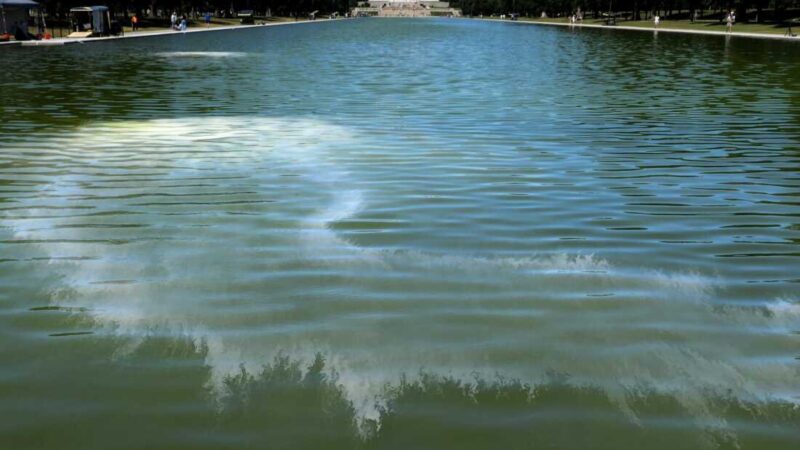
Trump’s recent focus on cosmetic projects such as renovating the White House ballroom and lining Washington’s Reflecting Pool has done little to revive the “Make America Great Again” narrative. Instead, these efforts highlight an administration burdened by the president’s ego and struggling to address substantive issues.
Republicans express concern over the midterms, mindful of historical trends that often punish the incumbent party. The president’s inability to quell these worries or present a united front suggests a challenging road ahead.
As Trump continues to dominate television coverage in the coming weeks, it may become clear that the nation is witnessing the beginning of the slow demise of his presidency.