10 Forgotten Civil War Battles That Took Place in Wayne and Duplin Counties
Explore the rich yet often overlooked Civil War history of Wayne and Duplin counties through these 10 forgotten battles that shaped the region’s past and heritage.
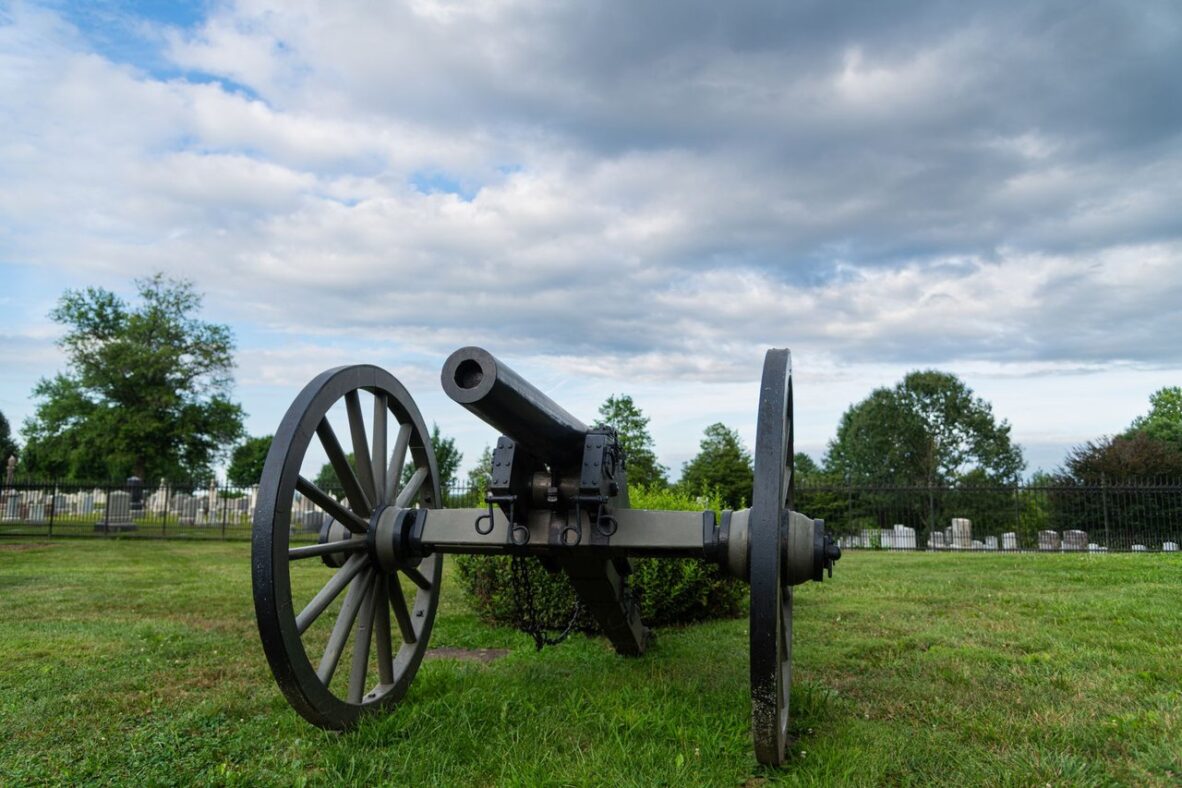
Jay Brand/Pexels
While major Civil War battles often dominate the history books, many smaller engagements left a significant mark on local communities. Wayne and Duplin counties in North Carolina witnessed numerous skirmishes and battles that played critical roles in the war’s outcome and the daily lives of residents. These overlooked clashes offer a glimpse into the intense, often chaotic nature of the conflict in this part of the South.
Here are 10 forgotten Civil War battles that took place in Wayne and Duplin counties, each with its own unique story and historical significance.
1. Battle of Goldsboro Bridge (Wayne County)
Fought in December 1862, the Battle of Goldsboro Bridge was a strategic attempt by Union forces to disrupt Confederate supply lines by targeting the Wilmington and Weldon Railroad bridge. Though not a large-scale battle, the skirmish was critical because the railroad was vital for Confederate logistics. Local militias and Confederate troops fiercely defended the area, underscoring the community’s direct involvement in the war.
2. Engagement at Mount Olive (Wayne County)
The town of Mount Olive saw several skirmishes between Union and Confederate forces in 1863 and 1864. These engagements mainly involved raids and counter-raids targeting supplies and communication routes. The fighting here reflected the war’s shifting nature from set-piece battles to guerrilla-style confrontations affecting civilians.
3. Battle of White Oak Creek (Duplin County)
White Oak Creek was the site of a lesser-known but intense confrontation in early 1864. Confederate cavalry units clashed with Union raiders aiming to disrupt Confederate troop movements. The battle’s location near vital farmland made it particularly impactful on local agricultural communities.
4. Skirmish at Warsaw (Duplin County)
Warsaw, a central town in Duplin County, witnessed sporadic fighting as both sides sought control over supply routes. The skirmish here involved quick, sharp engagements that, while small in scale, had strategic consequences in controlling the surrounding countryside.
5. Battle at Kenansville (Duplin County)
Kenansville was a focal point for Confederate defenses in the region. In 1863, Union forces made efforts to break through here to gain access to the interior of North Carolina. The battle was notable for the involvement of local Confederate home guards alongside regular troops, highlighting community defense efforts.
6. Engagement near Pikeville (Wayne County)
Pikeville’s rural setting became a backdrop for skirmishes in 1864 as Union cavalry units pursued Confederate forces. These encounters were characterized by rapid movements and localized fighting, often involving local residents who knew the terrain intimately.
7. Skirmish at Stoney Creek (Wayne County)
Stoney Creek saw several clashes in 1863 and 1864, mostly related to Union raids aimed at cutting Confederate communications. The skirmishes here disrupted supply chains and forced Confederate forces to divert resources to defend the area.
8. Engagement at Magnolia (Duplin County)
Magnolia, a small community, was the site of a quick but fierce engagement in 1863. Both sides contested the region fiercely due to its proximity to key transportation routes, and the battle’s aftermath affected local civilians through property damage and resource seizures.
9. Battle of Deep Creek (Wayne County)
The Battle of Deep Creek involved Confederate forces attempting to repel Union advances in late 1864. The creek’s surrounding landscape provided natural defensive advantages, making this engagement notable for tactical maneuvers uncommon in smaller battles.
10. Skirmish near Beulaville (Duplin County)
Beulaville’s vicinity experienced minor but strategic skirmishes as both armies sought control of the region’s roadways. These encounters, often involving mounted troops, disrupted local commerce and contributed to the overall uncertainty of wartime life for residents.
These ten engagements, though often overshadowed by larger battles, reveal how Wayne and Duplin counties were deeply enmeshed in the Civil War. The fighting shaped the communities’ economies, landscapes, and memories, leaving a legacy that continues to intrigue history enthusiasts and locals alike. Exploring these forgotten battles offers a richer understanding of the war’s regional impact beyond the well-known battlefields.