Trump Announces 20% Toll on Strait of Hormuz Shipping, Mirroring Iran’s Strategy
President Trump imposes a 20% levy on cargo through the Strait of Hormuz, leveraging U.S. military control amid ongoing Iran tensions.
Michael Vadon/Flickr
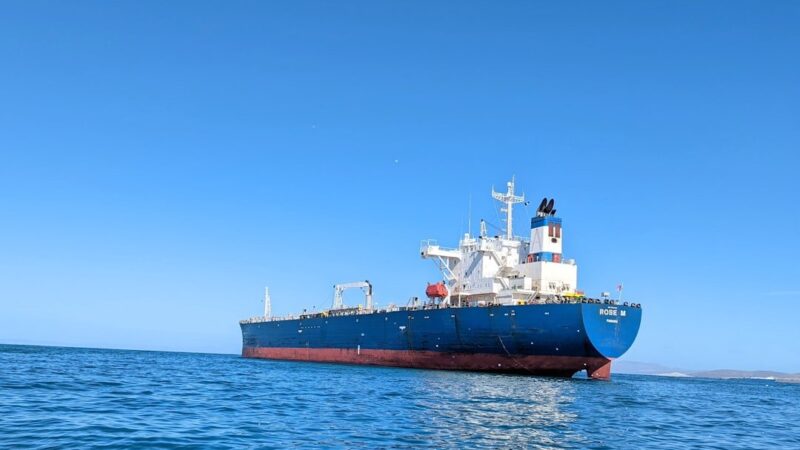
President Donald Trump announced on Monday that the United States will impose a 20% toll on all cargo transiting the Strait of Hormuz, marking a sharp shift in U.S. policy in the strategically vital waterway. With the Persian Gulf chokepoint remaining volatile following years of conflict with Iran, Trump’s move effectively mirrors Tehran’s own practice of charging tolls and controlling shipping lanes, capitalizing on U.S. military dominance over a critical shipping corridor adjacent to the Omani coast.
From Free Passage to Paid Protection
The Strait of Hormuz, a narrow passage connecting the Persian Gulf to the Gulf of Oman and the Arabian Sea, has long been one of the world’s most important maritime chokepoints. Historically, global shipping enjoyed largely free navigation through the strait. However, since the outbreak of the U.S.-Israel war on Iran, the strait has become a de facto combat zone with military forces from both sides vying for control.
Early in the conflict, Iran used missile strikes and drone attacks to close off the strait, demanding all ships obtain permission and pay tolls to transit an Iranian-approved corridor. Following the ceasefire, Iran has maintained its claim over the strait with continued missile threats and strict enforcement, effectively curtailing free navigation.
Previously, U.S. forces defended a parallel shipping route hugging the Omani coastline and escorted commercial vessels to ensure safe passage without charging fees. But with Trump’s announcement, that protection now comes with a steep price tag for shippers, marking a new chapter in Hormuz’s tense maritime dynamics.
Trump’s Naval Blockade and Toll Plan
Since early May 2026, U.S. Central Command reports that American forces have escorted over 800 commercial vessels carrying approximately 400 million barrels of crude oil through the strait’s southern channel. Trump’s administration has framed itself as the “Guardian of the Hormuz Strait,” asserting exclusive control over this safe transit corridor.
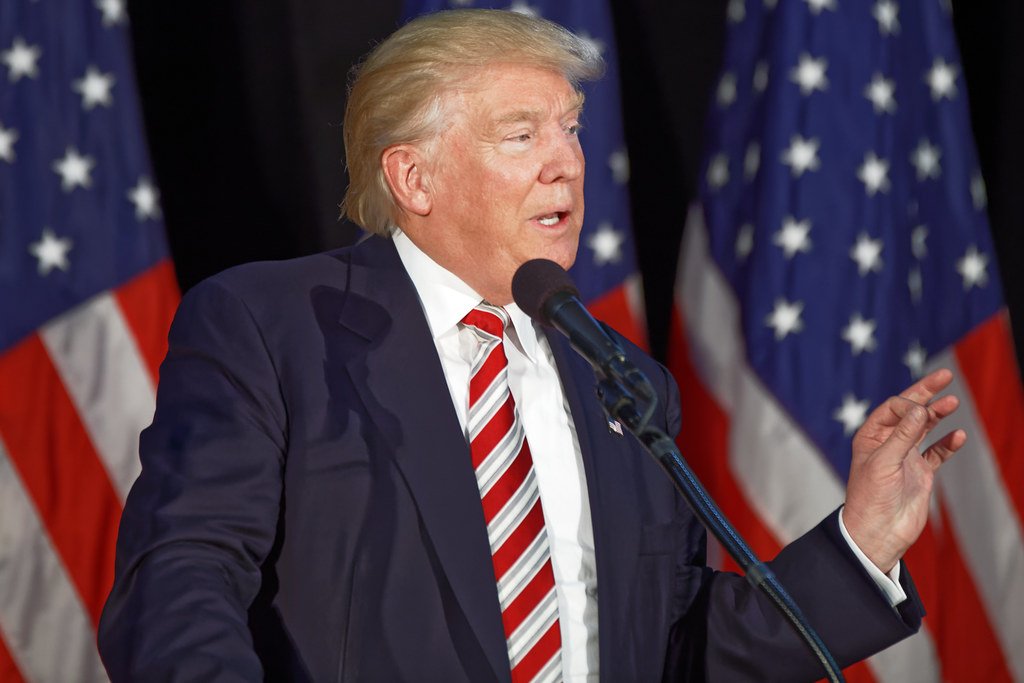
In a social media statement, the president declared that the U.S. would begin collecting a 20% levy on all cargo transported through the waterway to cover the costs of providing security and naval protection. “As a matter of FAIRNESS,” Trump said, the toll will reimburse the United States for maintaining safety in what he called a “very volatile section of the world.”
The plan’s implementation is set to begin immediately, signaling a hardening U.S. stance that not only challenges Iran’s claim to toll passage but also monetizes American military intervention in the region.
Market Reaction and Regional Tensions
The announcement triggered a swift reaction in global markets, with oil prices jumping 6% amid fears of escalating conflict and disrupted supply. The Persian Gulf region experienced violent skirmishes over the weekend as both Iran and the U.S. sought to assert dominance over the strait’s navigation routes.
Despite the U.S. naval presence, Iran continues to launch attacks targeting commercial vessels, undermining the security of transit even in the U.S.-protected corridor. This persistent threat has driven most shipping traffic away from the Omani route, which the U.S. defends, toward the riskier Iranian corridor and unregulated “dark” routes where ships often sail without transponders to avoid detection.
The ongoing hostilities, combined with Trump’s new toll, force shipping companies and insurers to carefully weigh the costs and risks of traversing the strait, potentially reshaping global energy and trade flows for the foreseeable future.
Diplomatic Efforts and the Future of Hormuz Navigation
With neither side willing to relent, mediators, including Oman, have proposed managing traffic through separate corridors: one under Omani control and the other under Iranian oversight. However, the U.S. toll plan and continued attacks have complicated efforts to reach a lasting agreement.
Commercial fleets face an uncertain future navigating the strait, caught between military threats, increased shipping costs, and the economic impact of rerouting or delaying cargo. Insurance companies have yet to fully adapt to the new risk environment, leaving the ultimate outcome to market forces and political negotiations.
As the U.S. leverages its military advantage to generate revenue, the Strait of Hormuz stands as a stark symbol of how geopolitics and commerce intertwine in one of the world’s most contested waterways.
The evolving situation at the Strait of Hormuz underscores the complex balance of power in the Persian Gulf, with global shipping and energy markets watching closely as military might becomes a tool not only of security but also economic leverage.