California’s Population Drop Raises Fears the State Could Lose Its Influence in Congress
California’s shrinking population sparks concern over potential loss of congressional seats and political influence after 2030 census.
Leo_Visions/Unsplash
California, long known as a beacon of growth and opportunity, is now grappling with a significant population decline that could reshape its political landscape. Recent data from the U.S. Census Bureau reveals that more residents are leaving the state than moving in, a trend that experts warn may cost California multiple seats in the U.S. House of Representatives following the 2030 census. This demographic shift raises concerns over the future of the state’s influence in national politics.
A Population Shift California Cannot Ignore

For decades, California’s population steadily increased as people from across the nation and the world sought its economic opportunities and quality of life. However, between 2025 and 2026, the state experienced a rare population decrease. Experts attribute this change primarily to domestic migration patterns, with thousands relocating to states like Texas, Arizona, Nevada, and Washington. These destinations offer more affordable housing, lower taxes, and reduced everyday living costs, factors increasingly driving Californians away.
International migration once mitigated the impact of residents leaving, but recent declines in newcomers have exposed the true extent of the population loss. Rather than slower growth, California now faces a demographic transformation that could have lasting effects on its economy and society.
The Political Consequence: California Could Lose Congressional Seats
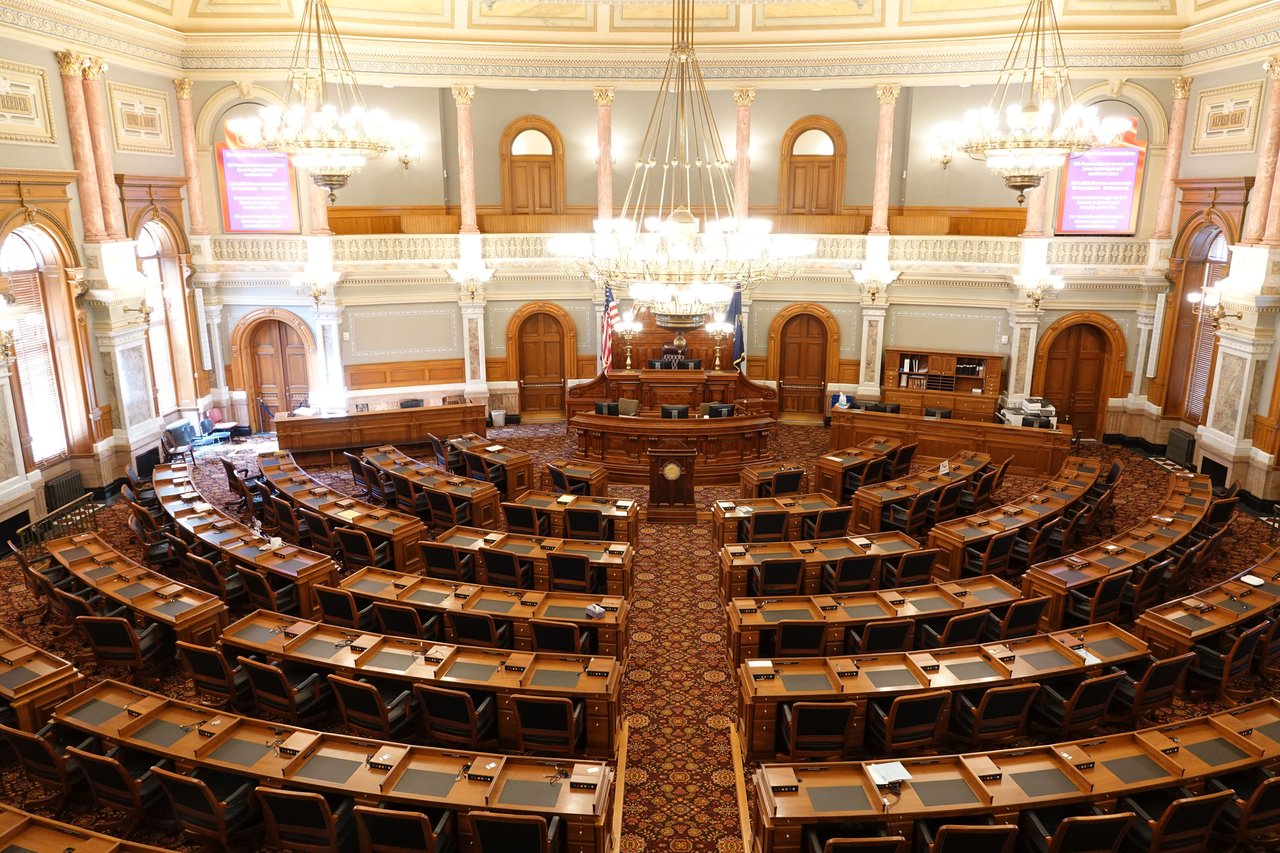
Population figures are critical in determining congressional representation. The decennial census allocates seats in the House of Representatives based on state populations, influencing political power at the federal level. If California’s current population decline persists, it risks losing multiple congressional seats in 2030. This would be a historic shift for the state that currently holds the most House seats of any state.
Losing seats would not only diminish California’s voice in Congress but would also reduce its Electoral College votes, which play a decisive role in presidential elections. Meanwhile, rapidly growing states such as Texas and Florida continue to gain influence, potentially tipping the balance of power toward the Sun Belt region. These changes will unfold over years but could reshape American politics for decades.
The Hidden Force Driving Californians Away: The Cost of Living

Behind California’s population decline lies a pressing issue felt by many residents: affordability. The state consistently ranks among the highest in the nation for housing prices, making homeownership unattainable for many families and young professionals. The high cost of living forces some residents to seek more affordable options elsewhere.
California’s tax policies also contribute to the migration trend. With some of the nation’s highest individual income tax rates, the state faces criticism that it drives away high-income earners and businesses. While proponents argue that taxes fund vital public services and infrastructure, the financial strain on everyday residents remains a key reason for relocation decisions.
Many families, retirees, and entrepreneurs weigh the benefits of California’s lifestyle against economic realities, often finding the cost too high to justify staying.
What This Means for California’s Future

The population decline signals a turning point for California’s future. Beyond political representation, fewer residents may impact the state’s labor market, economic growth, and cultural vibrancy. Policymakers face the challenge of addressing housing affordability, tax policies, and quality of life to retain and attract residents.
Though California remains a global economic powerhouse, its ability to maintain political clout and sustain long-term growth depends on reversing or managing these demographic trends. The choices made in the coming years will determine whether California can continue to be a leader on the national stage or if its influence will wane as population shifts reshape America.
California’s demographic and political landscape is at a crossroads. The state’s response to these challenges will shape not only its own future but also the balance of power in Washington for decades to come.