Trump Administration Freezes Over $1 Billion in Medicaid Funding for California and Minnesota
The Trump administration freezes $1 billion+ in Medicaid funds to California and Minnesota over alleged fraud concerns.
Embajada de EEUU en Argentina/Wikimedia Commons
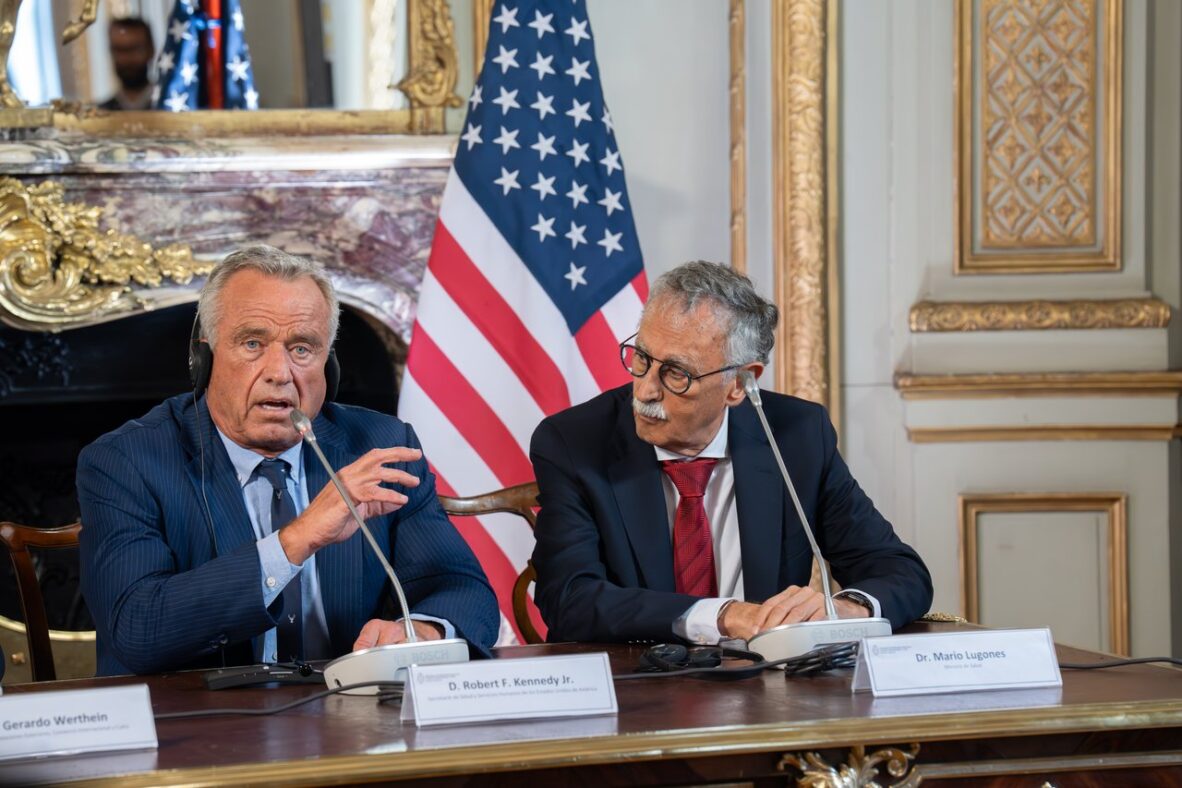
The Trump administration announced on Tuesday, July 22, 2026, a freeze on more than $1 billion in Medicaid funding to California and Minnesota, citing concerns over potential fraud. Health and Human Services Secretary Robert F. Kennedy Jr. and Centers for Medicare and Medicaid Administrator Mehmet Oz revealed that the funds will remain withheld until the states provide documentation verifying the legitimacy of certain flagged claims.
Scope and Reasons for the Funding Freeze
The freeze affects $867.5 million designated for California and $199 million for Minnesota, a fraction of the total Medicaid funding these states receive annually—roughly $100 billion for California and $10 billion for Minnesota. Officials from the Department of Health and Human Services (HHS) stressed that the move is part of a broad initiative to combat Medicaid fraud and ensure federal funds are spent appropriately.
Administrator Mehmet Oz explained that some of the flagged claims included payments for services rendered to deceased individuals and others identified through advanced fraud detection analytics. The largest portion of Minnesota’s frozen funds is linked to providers in high-risk areas, though specifics were not disclosed. In California, a significant amount of frozen funds pertain to in-home care services for seniors and people with disabilities, where spending has surged 24% over the past two years—double the national average.
State Responses and Political Reactions
Governors Gavin Newsom of California and Tim Walz of Minnesota, both Democrats, criticized the freeze as politically motivated. Governor Walz described the action as a punitive measure harming vulnerable populations rather than targeting fraud perpetrators. “They’re not punishing fraudsters, they’re punishing children, seniors, working families, and people with disabilities,” Walz said.
California’s press office echoed similar sentiments on social media, calling the freeze a “recycled political stunt” and emphasizing that increased spending on in-home care is a cost-saving measure that prevents more expensive nursing home placements.
Efforts by States to Address Fraud Allegations
Minnesota has already seen multiple Medicaid funding freezes this year, with previous deferrals totaling $351 million. In response, the state has implemented new anti-fraud measures, including prepayment reviews and revalidating thousands of Medicaid providers. Minnesota’s Medicaid director, John Connolly, stated that the state has cooperated in good faith but criticized HHS for not providing clear data justifying the freeze or explaining how the deferral amounts were calculated.
California, meanwhile, faces different challenges according to federal officials. While Minnesota has submitted some documentation for review, California has yet to supply the necessary evidence for certain flagged spending, delaying the release of frozen funds.
Federal Fraud Crackdown and Broader Context
This latest deferral is part of a broader crackdown led by Vice President JD Vance and Administrator Oz, focusing on rooting out fraud in federal spending programs. The freeze announced Tuesday is separate from a $1.3 billion Medicaid funding pause announced earlier this year in May.
Oz defended the freeze as a conservative approach, stating, “We could have taken a lot more money,” but opted to withhold only funds linked to suspicious claims. The initiative exemplifies the administration’s intensified efforts to protect taxpayer dollars and ensure Medicaid funds reach those who legitimately need them.
The standoff underscores ongoing tensions between the federal government and Democratic-led states over Medicaid funding and fraud prevention, with vulnerable populations caught in the crossfire as both sides navigate political and fiscal pressures.