New Study Finds Sipping Water During Meals May Increase Food Intake
Contrary to popular belief, drinking water with meals may lead to eating more food, according to new research from Cornell University.
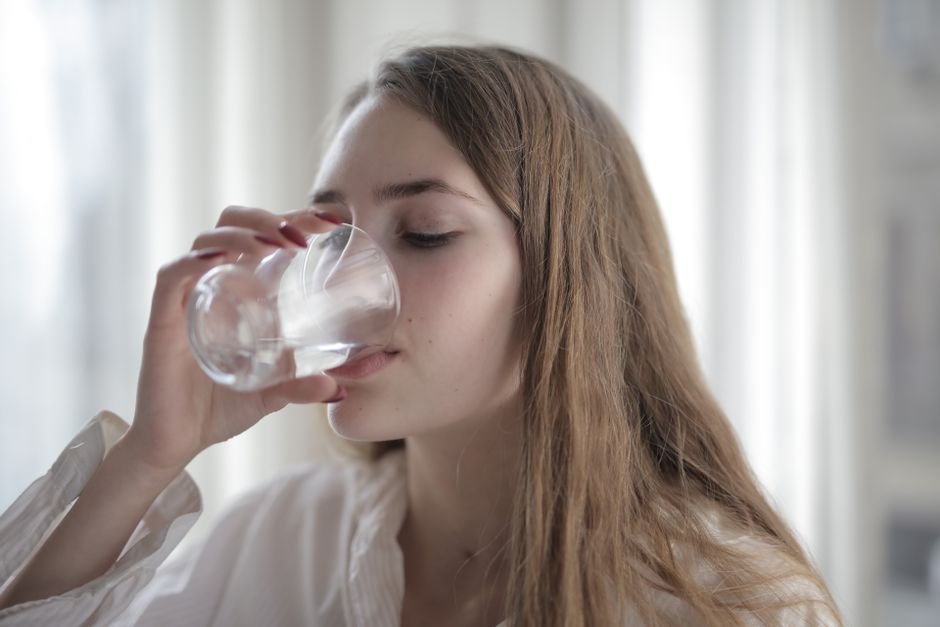
Andrea Piacquadio/Pexels
A recent study from Cornell University has uncovered surprising findings that challenge the long-held belief that drinking water during meals helps reduce food consumption. Published in the journal Appetite in mid-2026, the research shows that drinking water while eating may actually increase the amount of food people consume, raising important questions about common dietary advice.
Challenging Conventional Wisdom on Water and Fullness
For years, nutrition experts have advised drinking water during meals as a simple way to curb appetite and reduce calorie intake. The idea was that water creates a feeling of fullness, leading people to eat less. However, new research suggests this assumption may be misguided. According to the Cornell study, water passes quickly through the stomach and does not provide lasting fullness, meaning it may not decrease food intake as previously thought.
Study Details and Key Findings
The research team analyzed data from two earlier meal experiments involving 86 adult participants who were served either beef chili or chicken tikka masala along with water. Participants were free to eat and drink as much as they wanted. The study found that for every additional 100 milliliters of water consumed, participants ate approximately 40 grams more food, equating to nearly 50 extra calories.
Moreover, individuals who frequently alternated between bites of food and sips of water tended to consume more overall. Interestingly, those who drank their water quickly ate less food, suggesting that drinking pace and duration of water contact in the mouth may influence eating behavior.
Possible Explanations for Increased Food Intake
Researchers believe water may enhance the sensory experience of eating by refreshing the palate and preventing dryness, which prolongs enjoyment of food. This lubrication effect allows people to eat faster and for longer periods without discomfort, potentially leading to greater food intake. Dr. Paige Cunningham, a lead author of the study, explained, “Water doesn’t fill us up for long, but it may increase how much we eat by making the food more enjoyable and easier to consume.”
Implications for Weight Management and Dietary Advice
This study challenges the widespread recommendation to drink water with meals as a strategy for reducing calorie intake. While staying hydrated remains important for overall health, the timing and manner of water consumption could influence eating habits in unexpected ways. Experts suggest that people aiming to control their weight may want to reconsider how they time their water intake relative to meals.
Future research is underway to clarify the causal mechanisms behind these findings and to explore how different drinking behaviors impact appetite and fullness signals.
In summary, the emerging evidence indicates that drinking water with meals might not be the simple appetite suppressant it was once thought to be. Instead, it could encourage eating more by enhancing the pleasure and pace of eating, adding a new layer of complexity to nutritional guidance.