Elon Musk’s Magic Fades as Tesla Posts Disappointing Q2 Results
Tesla’s Q2 earnings fall far short of expectations, shaking investor faith in Elon Musk’s growth vision and sending shares tumbling.
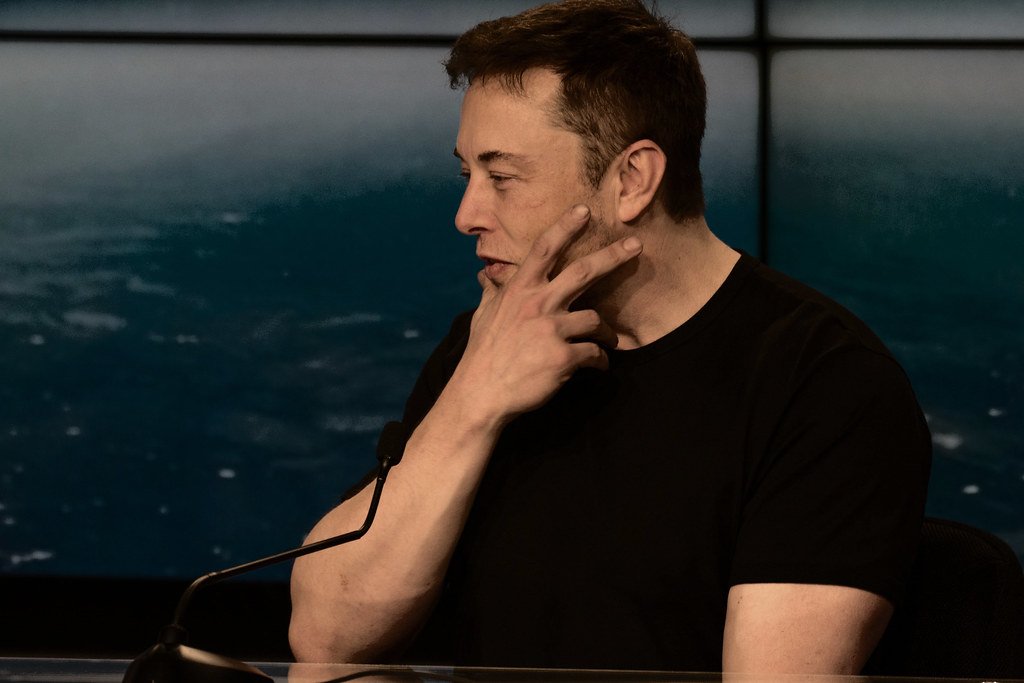
dmoberhaus/Flickr
Tesla’s second-quarter earnings report released on July 23, 2026, revealed a significant stumble for the electric vehicle giant and its visionary CEO, Elon Musk. Despite selling 480,000 vehicles—well above analyst forecasts—the company posted a sharp decline in operating profit and missed Wall Street’s expectations by a wide margin. The results have triggered a notable selloff in Tesla stock, raising questions about Musk’s ability to sustain the company’s high-growth narrative that has long driven its premium valuation.
Troubling Q2 Financial Results
Tesla reported an operating profit of $398 million for Q2 2026, a steep drop from $923 million in the same quarter last year and far below analysts’ consensus of $1.7 billion. This $1.3 billion shortfall came despite a 25% year-over-year increase in vehicle deliveries, with nearly 80,000 more cars sold than expected. The disappointing profit was attributed to several factors including weaker vehicle pricing and an unfavorable vehicle mix, lower regulatory credit sales, rising production costs, and increased spending on research and development.
While the company’s top line showed growth, the profit miss highlights the growing pains Tesla faces as it balances expansion with profitability. The market’s reaction was swift, with shares plunging 14% immediately after the earnings release, erasing billions in market value and signaling investor frustration.
Investor Doubts on Musk’s Vision
Tesla’s market value has long hinged on Elon Musk’s ability to articulate a compelling future of innovation—from electric cars to autonomous driving and beyond. However, this quarter’s results have fueled skepticism about whether Musk can continue to deliver on his ambitious promises. Analysts and investors alike appear to be losing patience with what some call “hype followed by a lack of follow-through.”
Despite Musk’s subdued tone on the earnings call—he mentioned he was under the weather—he continued to emphasize growth prospects in emerging areas such as robo-taxis and humanoid robots. He also unveiled plans for the “Megapod,” a modular AI data center built with Tesla hardware, which Musk described as a potentially transformative business. Yet, these forward-looking projects have yet to materialize significant revenue, and investors seem increasingly wary of paying a premium for futuristic bets that remain uncertain.
Analyst Perspectives and Market Reaction
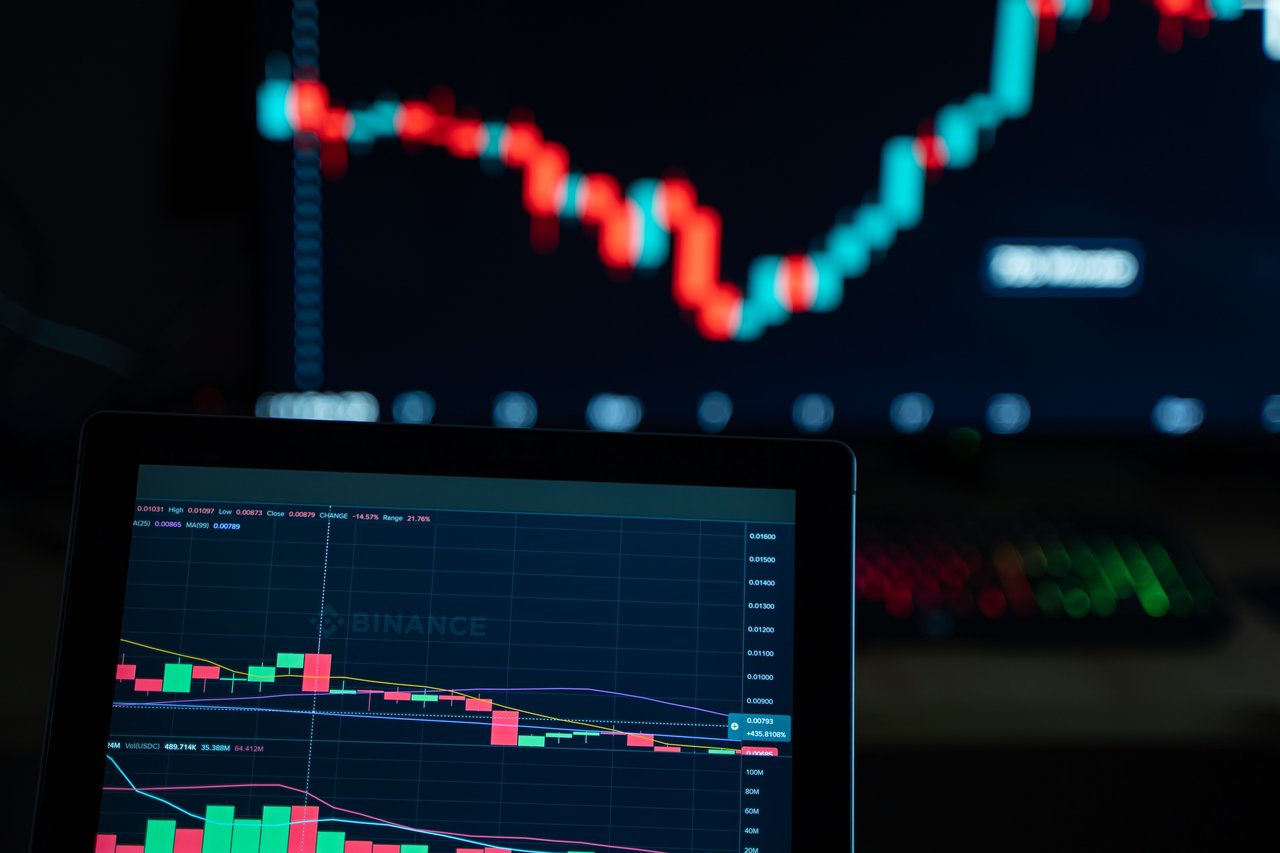
Wall Street’s response has been cautious but not outright negative. No analysts immediately upgraded or downgraded Tesla stock, and the average price target dropped modestly from $400 to $392. Analysts generally view Tesla’s increased capital expenditure as a necessary step in a business transition focused on long-term growth, particularly in autonomous technology and robotics. RBC’s Tom Narayan remains optimistic about Tesla’s potential in robo-taxis and humanoid robots, emphasizing that the core business remains fundamentally sound.
Still, the stock’s 14% drop far exceeded the modest adjustment in price targets, indicating that investor confidence is eroding. Historically, Musk’s visionary leadership granted Tesla a valuation multiple far greater than traditional automakers—175 times expected 2026 earnings compared to an average of 24 times for peers. Losing this “Musk premium” could lead to a steep revaluation closer to conventional levels, where Tesla shares might trade near $20 instead of hundreds.
The Path Forward: Delivering on Innovation
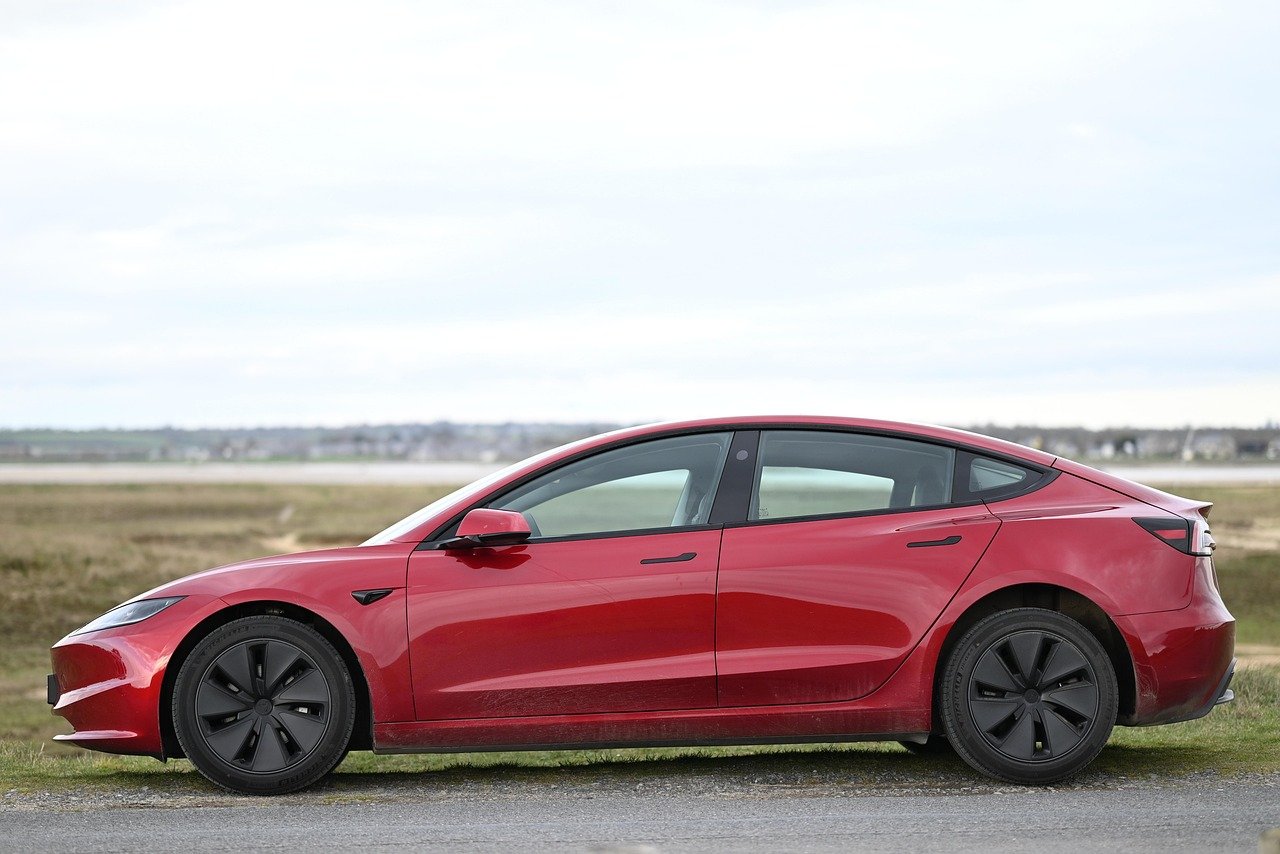
For Tesla to regain investor trust, Musk must demonstrate tangible progress in his high-margin growth initiatives beyond vehicle sales. The company has sold nearly 10 million electric vehicles to date and boasts 1.5 million subscribers to its Full Self-Driving (FSD) software. SpaceX, Musk’s other major venture, has proven its ability to innovate with reusable rockets and a profitable broadband service, underscoring his capacity for breakthroughs.
However, Musk’s recent ambitious goal of selling 20 million Tesla cars annually by 2030 now appears out of reach. The immediate focus is on scaling robotaxi deployment and humanoid robot production—areas that could create new revenue streams critical to offsetting pressure on automotive margins. Analysts like Canaccord’s George Gianarikas acknowledge the challenges but remain hopeful, maintaining buy ratings on Tesla shares while lowering price targets to reflect current realities.
Ultimately, Tesla’s future hinges on Musk’s ability to convert visionary projects into concrete financial results. The company is once again walking a tightrope where lofty promises must be matched by operational execution to justify its lofty valuation and restore its narrative-shaping power.