Saudi Arabia and Houthis Exchange Fire as US Disables Tanker in Strait of Hormuz
Saudi Arabia and Houthis clash after missile strikes; US disables tanker trying to breach blockade in Strait of Hormuz amid ongoing conflict.
Muhammet Emir Şeker/Pexels
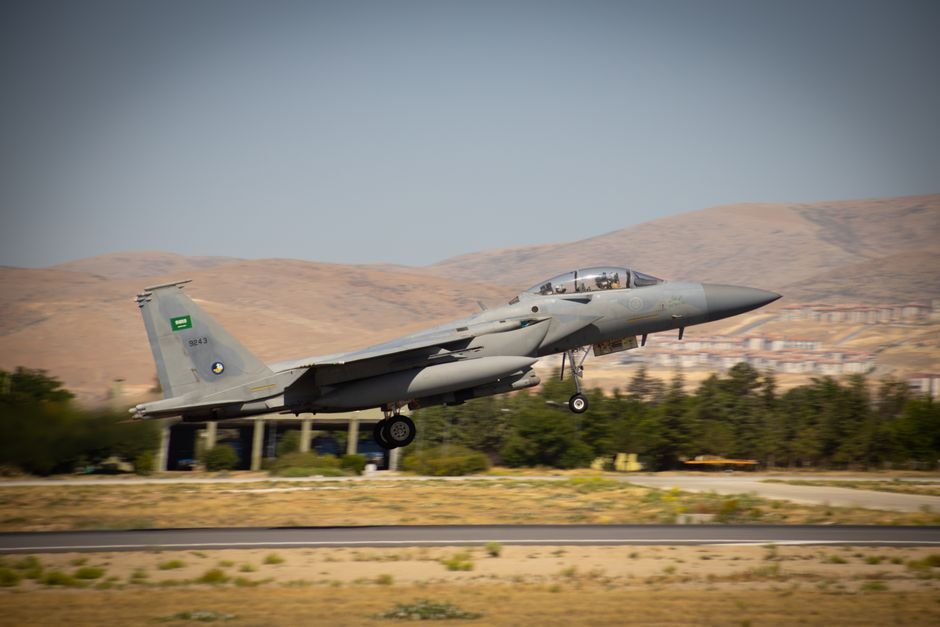
Saudi Arabia launched airstrikes on Houthi positions in Yemen’s port city of Hodeida and nearby Kamaran Island on Friday, escalating tensions after the Iran-backed group declared a maritime blockade and targeted Saudi vessels. The Houthis responded with missile strikes on the Saudi province of Jizan, prompting emergency alerts as the conflict intensified. Meanwhile, in the Gulf of Oman, US forces disabled a commercial tanker attempting to breach an American blockade on Iranian ports in the Strait of Hormuz, continuing a weeks-long cycle of military actions in the region.
Saudi-Houthi Clashes Escalate in Yemen and Along Saudi Border
The Saudi-led coalition mounted airstrikes targeting strategic Houthi locations in Hodeida, a key port city on Yemen’s western coast, and Kamaran Island on July 25. This followed the Houthis’ announcement of a maritime blockade aimed at disrupting Saudi shipping routes. Shortly after, the Houthis fired missiles into the Saudi province of Jizan, a border region that houses both civilian and military infrastructure. Saudi authorities issued emergency alerts for Jizan as fires were reported from the missile strikes.
Houthi media, through their Ansarollah Telegram channel, condemned the Saudi airstrikes as a dangerous escalation and vowed retaliation. The group asserted that attacks on civilian facilities in Hodeida and Kamaran would not go unanswered. Saudi officials have yet to publicly respond to the latest missile attacks as the situation remains volatile.
US Military Disables Tanker Attempting to Evade Blockade in Strait of Hormuz
In a parallel development, the US military announced on July 25 that it had disabled a commercial tanker in the Gulf of Oman after the vessel repeatedly attempted to breach the US-imposed blockade on Iranian ports. According to Navy Captain Tim Hawkins, spokesperson for US Central Command, the tanker ignored at least four warnings and was ultimately disabled by gunfire targeting its engine room, preventing it from proceeding to Iran.
This marks the second commercial vessel disabled by the US since the blockade was reinstated earlier this month. The move is part of a broader US strategy to cut off Iranian maritime trade amid heightened tensions. The tanker is now immobilized and no longer en route to Iranian waters.
Diplomatic Moves Amid Rising Regional Tensions
Despite the ongoing military engagements, diplomatic efforts continue. A delegation from Oman, which controls the southern coastline of the Strait of Hormuz, traveled to Tehran for talks aimed at de-escalating tensions and ensuring safe passage through the strategic waterway. The talks come amid nearly two weeks of exchanges of fire between US and Iranian forces, including Iranian drone strikes on US bases across the Middle East in retaliation for repeated American attacks.
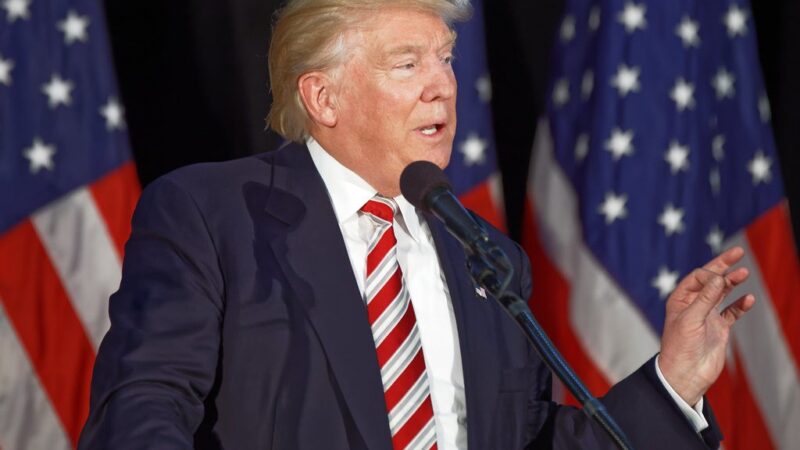
US officials have signaled mixed intentions. At a White House press briefing, President Donald Trump emphasized readiness for further military action while acknowledging ongoing negotiations. He described two possible exit strategies: continuing military pressure or pursuing a diplomatic deal, but warned that US forces remain “locked and loaded.” Meanwhile, the US and UK are preparing for a conference in London next week to address security in the Strait of Hormuz, with senior military leaders attending.
Economic Impact and Global Oil Markets React
The renewed threats to shipping in the Red Sea and Strait of Hormuz have had immediate effects on global oil prices. Crude oil briefly surged past $100 per barrel this week, marking the highest level since May, driven by concerns over supply disruptions. However, prices eased on Friday after two Chinese-chartered supertankers successfully passed through the Bab el-Mandeb Strait, a critical chokepoint near Yemen.
Energy analysts warn that continued instability in the region could cause further volatility in oil markets, potentially impacting fuel costs worldwide, including in North Carolina and other US states reliant on stable energy supplies.
As the conflict between Saudi Arabia and the Houthis intensifies, and US-Iran tensions remain unresolved, the risk of wider regional escalation looms. Local and global stakeholders watch closely as diplomatic efforts and military actions unfold in the coming days.