US Food Prices Surge 33% Over Seven Years Amid Highest Grocery Inflation in 50 Years
American grocery prices have jumped 33% since 2019, marking the largest spike in 50 years with no end in sight.
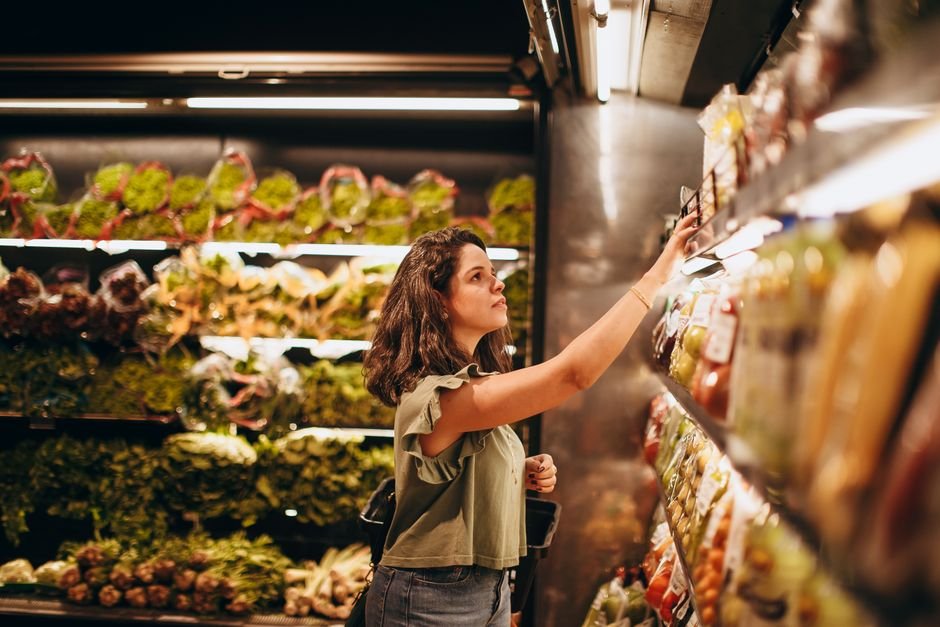
Helena Lopes/Pexels
American consumers are facing the steepest rise in grocery prices in five decades, with food costs increasing by 33% over the past seven years. This dramatic inflation continues to impact households across the country, including in North Carolina’s Wayne and Duplin Counties, with no immediate relief expected, according to recent data from the U.S. Bureau of Labor Statistics and economic experts.
Historic Food Price Inflation and Its Causes
Between 2012 and 2019, food prices in the U.S. increased modestly by 6.4%. However, the onset of the COVID-19 pandemic in early 2020 triggered a surge that pushed prices up dramatically. From January 2021 to January 2023 alone, food prices jumped roughly 21%, with an additional near 10% increase continuing since then. This results in a cumulative 33% rise over seven years—the sharpest grocery price spike since the 1970s.
Experts attribute this sustained inflation to multiple intertwined factors. Supply chain disruptions caused by the pandemic created initial shortages. Meanwhile, labor shortages and rising transportation and energy costs have kept pressure on prices. Additionally, shrinking U.S. cattle herds, outbreaks of cattle disease, and adverse growing conditions have driven meat and produce prices higher.
Douglas Holtz-Eakin, president of the American Action Forum, highlighted the geopolitical impact as well. “The war in Ukraine, a major global grain supplier, has exacerbated food inflation worldwide,” he said, noting how the conflict has disrupted grain exports, influencing prices in the U.S. and beyond.
Meat Prices Lead the Surge
Among food categories, meat prices have experienced some of the most dramatic increases. Ground beef, a staple for many American families, reached an average price of $6.82 per pound in June 2026—up 79% since 2019. This sharp rise reflects both supply constraints and increased production costs.
Consumers in Wayne and Duplin Counties are feeling the pinch as meat becomes a more expensive part of their grocery bills. This has pushed many shoppers to reconsider their purchases and adapt their habits accordingly.
Changing Consumer Behavior in Response to High Prices
Scott D. Martin, partner at Kingsview Wealth Management, explained that elevated food prices are no longer a temporary issue but a “new normal.” Households nationwide are responding by adjusting shopping strategies to stretch their budgets.
Common behaviors include:
- Switching to private-label or store brands instead of premium products
- Comparing prices across multiple retailers before buying
- Purchasing in bulk when discounts are available
- Cutting back on discretionary and luxury food items
Even higher-income consumers have become more price-conscious due to groceries being one of the most visible expenses in their budgets. These shifts are changing the retail food landscape and consumer expectations permanently.
Outlook: No Relief Expected Soon
Unfortunately for consumers, experts forecast that food prices will continue rising in the near future. The U.S. Department of Agriculture’s Economic Research Service projects a 3.1% increase in food prices for 2026, with a similar rise anticipated in 2027. Ongoing inflationary pressures, tariffs, and energy costs all contribute to this outlook.
For shoppers in North Carolina and across the nation, understanding these trends can help prepare for continued challenges at the grocery store. The combination of global events, supply issues, and economic factors means that food prices are unlikely to return to pre-pandemic levels anytime soon.
As Americans adjust to this new reality, the way they shop, budget, and consume food will continue evolving in response to the highest grocery price surge the country has seen in fifty years.