8 American Towns That Were Thriving a Decade Ago and Are Now Considered Economically Distressed
Discover 8 American towns that thrived just 10 years ago but now face economic hardship and decline in 2026.
Beth Fitzpatrick/Pexels
Over the past decade, several American towns have experienced dramatic shifts in their economic fortunes. While some cities continue to grow and innovate, others that once thrived now face mounting economic challenges. Here are eight American towns that, despite booming just ten years ago, are now struggling with economic distress in 2026.
1. Flint, Michigan
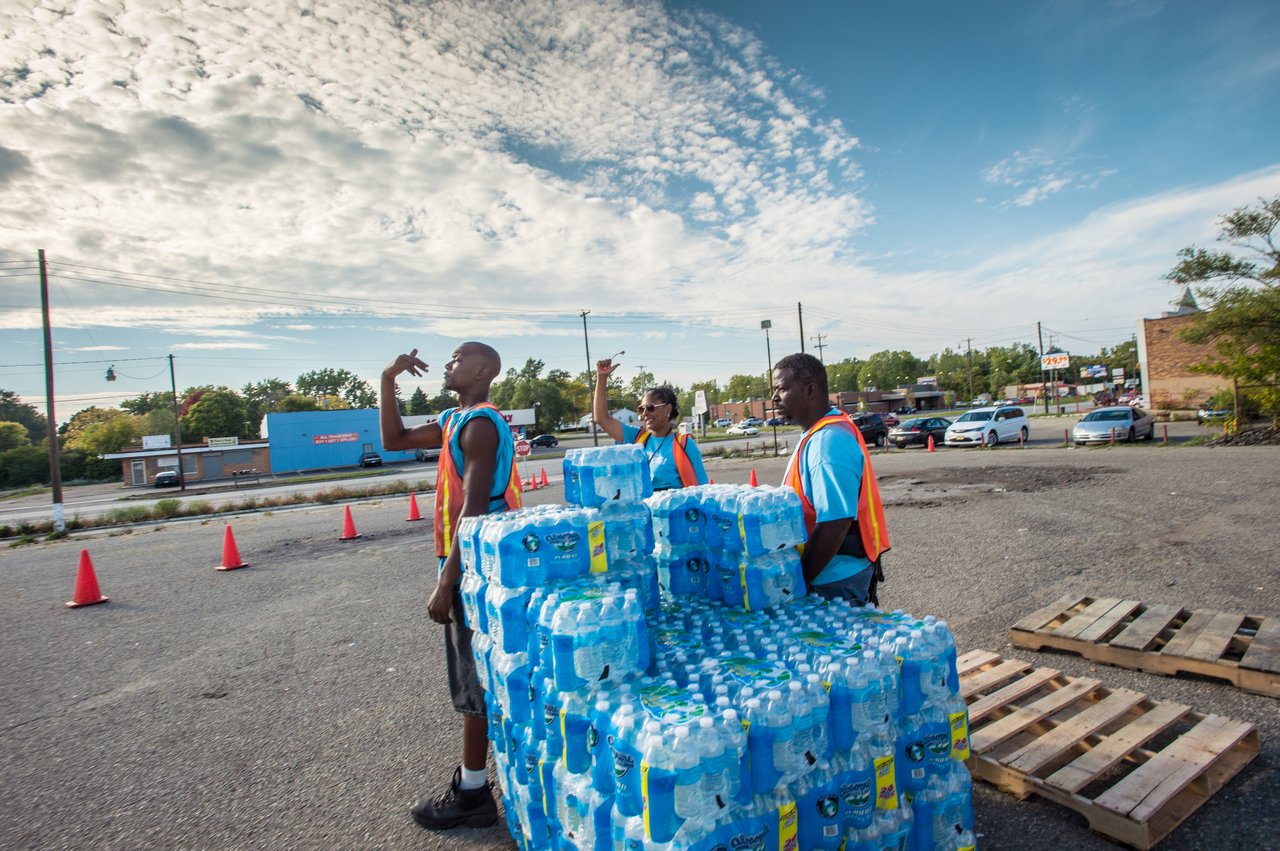
Once buoyed by the auto industry and manufacturing jobs, Flint’s economy has been in steady decline. After the water crisis that began in the mid-2010s, Flint struggled to attract new businesses or residents. By 2026, the population has shrunk by nearly 30% over the past decade, and unemployment rates hover above 15%. Efforts to diversify the economy have been slow, leaving Flint in a precarious economic position.
2. Youngstown, Ohio
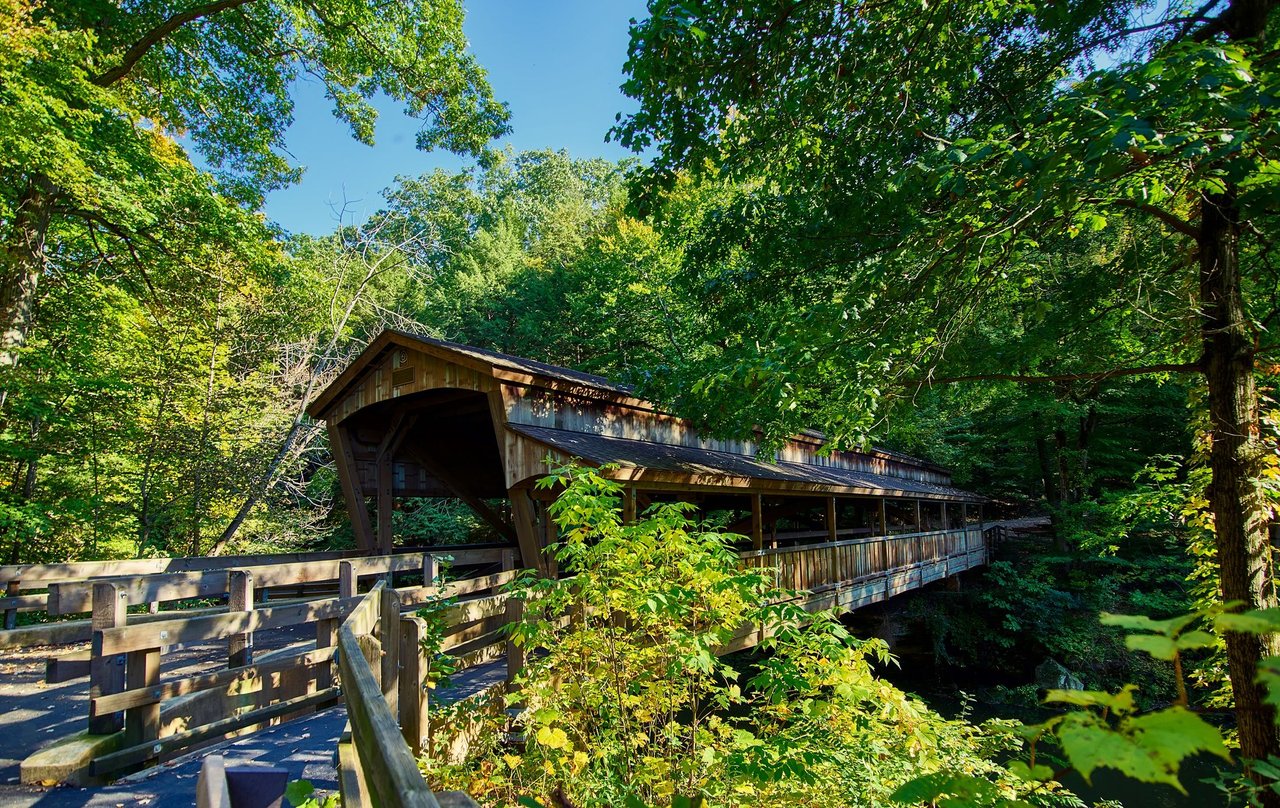
Youngstown was a steel manufacturing powerhouse a decade ago but has faced ongoing economic hardship due to plant closures and outsourcing. Despite redevelopment grants and some tech startups emerging, the town’s median income remains far below the national average, and many neighborhoods still suffer from high vacancy rates and poverty.
3. Gary, Indiana
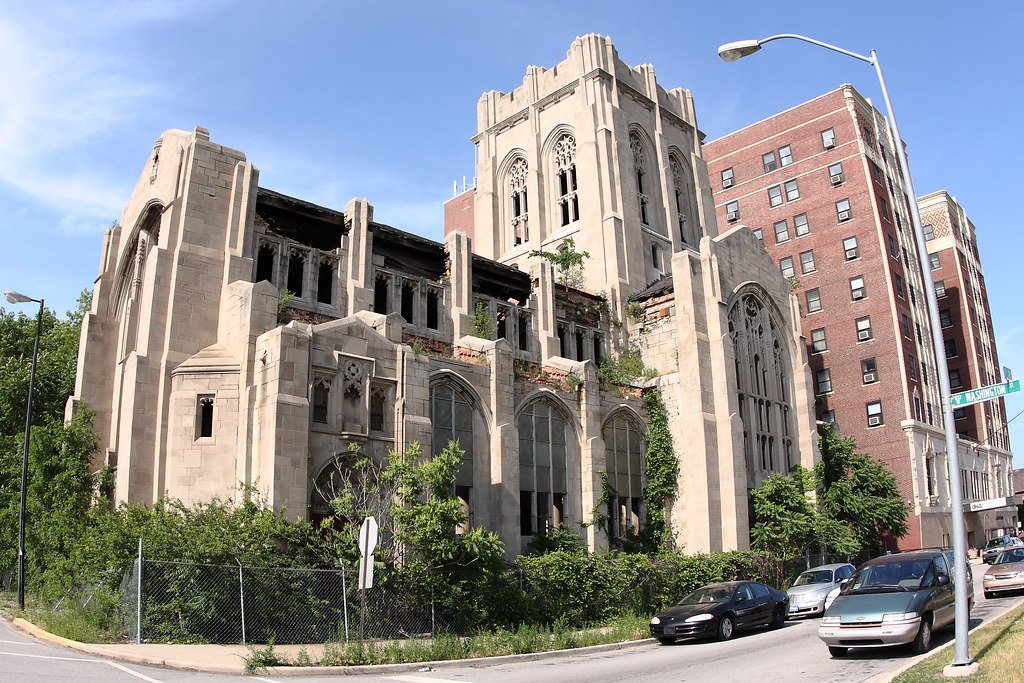
Gary has battled decades of industrial decline, but the 2010s brought some hope with infrastructure investments and urban renewal projects. Unfortunately, by 2026, these efforts have not reversed the downward trend. Job losses in manufacturing continue, and the city’s tax base has eroded, leading to cutbacks in essential services and rising crime rates.
4. Camden, New Jersey
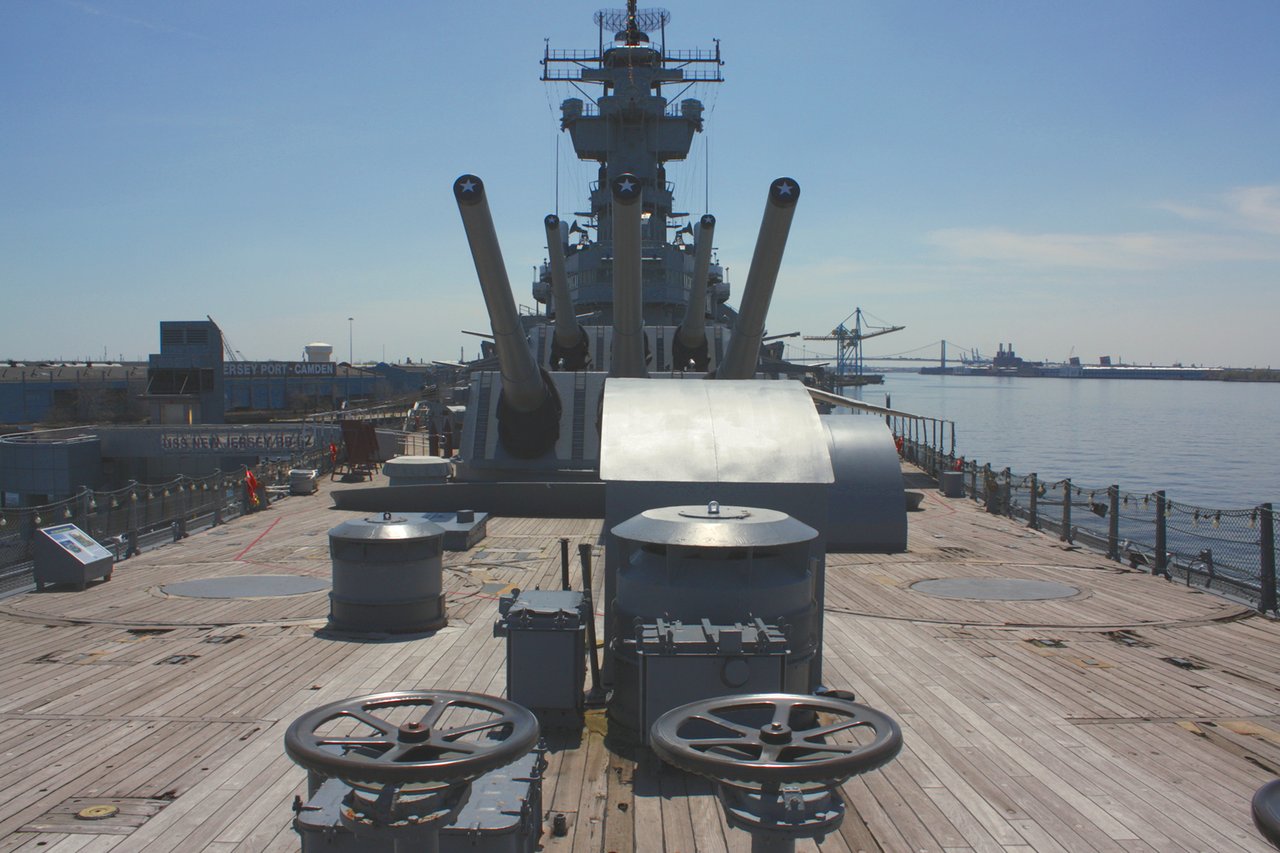
Camden was once a hub for shipbuilding and manufacturing but has faced persistent economic decline. Despite some revitalization attempts, such as waterfront redevelopment, the city still struggles with high unemployment and poverty. In 2026, Camden’s economic distress is evident in its underfunded schools and healthcare shortages.
5. Rockford, Illinois
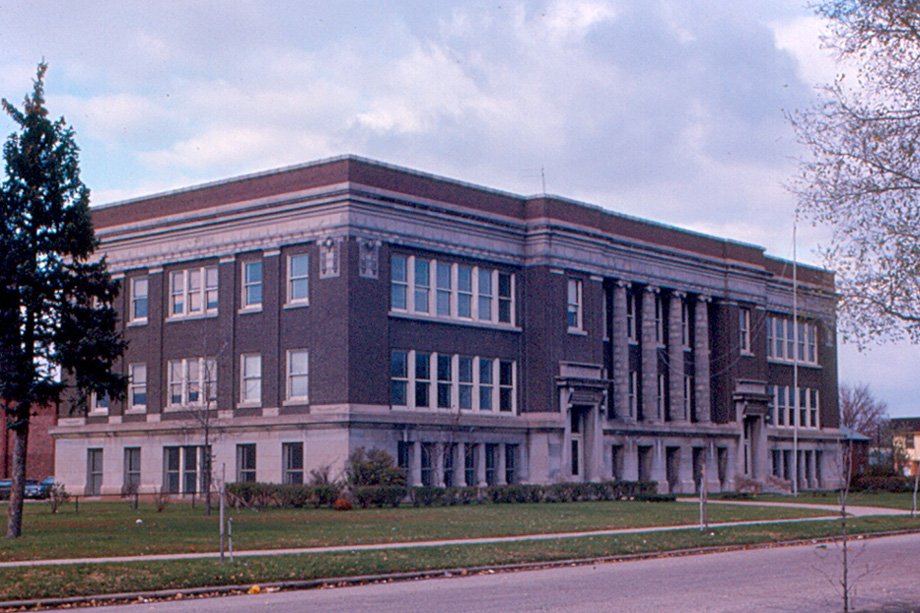
Rockford’s manufacturing sector was strong in 2016, but the global shift in production and automation hit hard. The city has seen a steady loss of jobs in aerospace and automotive parts, key industries for the region. By 2026, Rockford faces a shrinking workforce and a housing market struggling to keep pace with regional declines.
6. Scranton, Pennsylvania
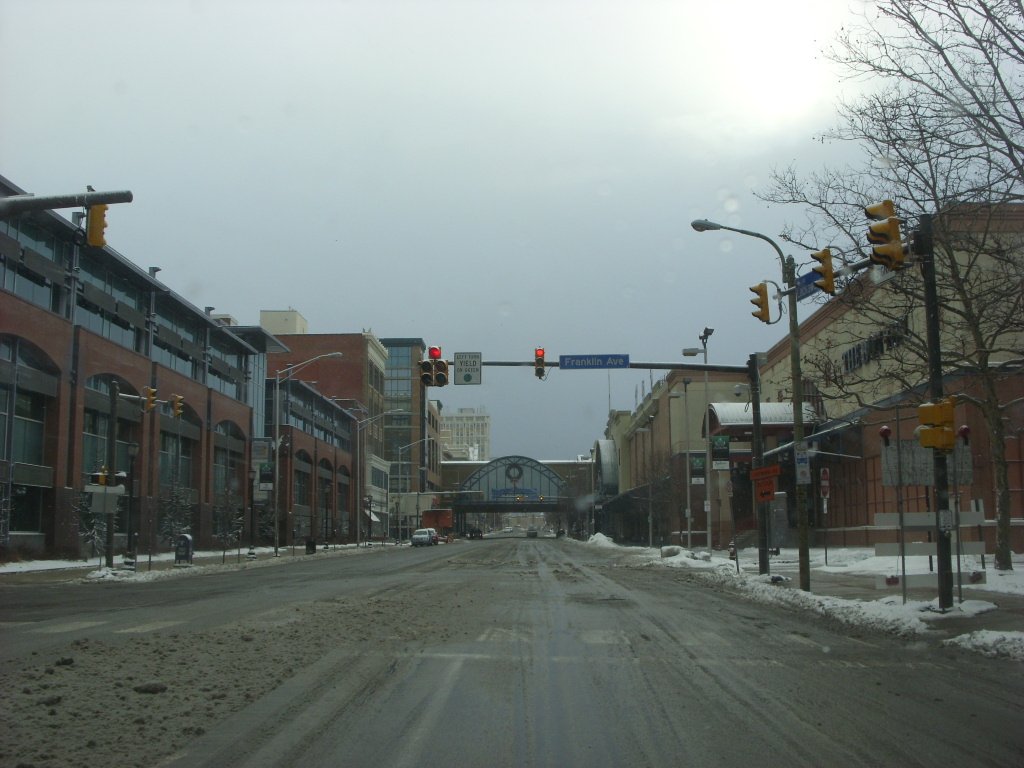
Scranton thrived on coal and manufacturing in the past, but those industries have largely vanished. Although there was some growth in healthcare and education sectors, it hasn’t been enough to offset overall economic losses. Persistent poverty and limited investment have left Scranton economically distressed as of 2026.
7. East St. Louis, Illinois
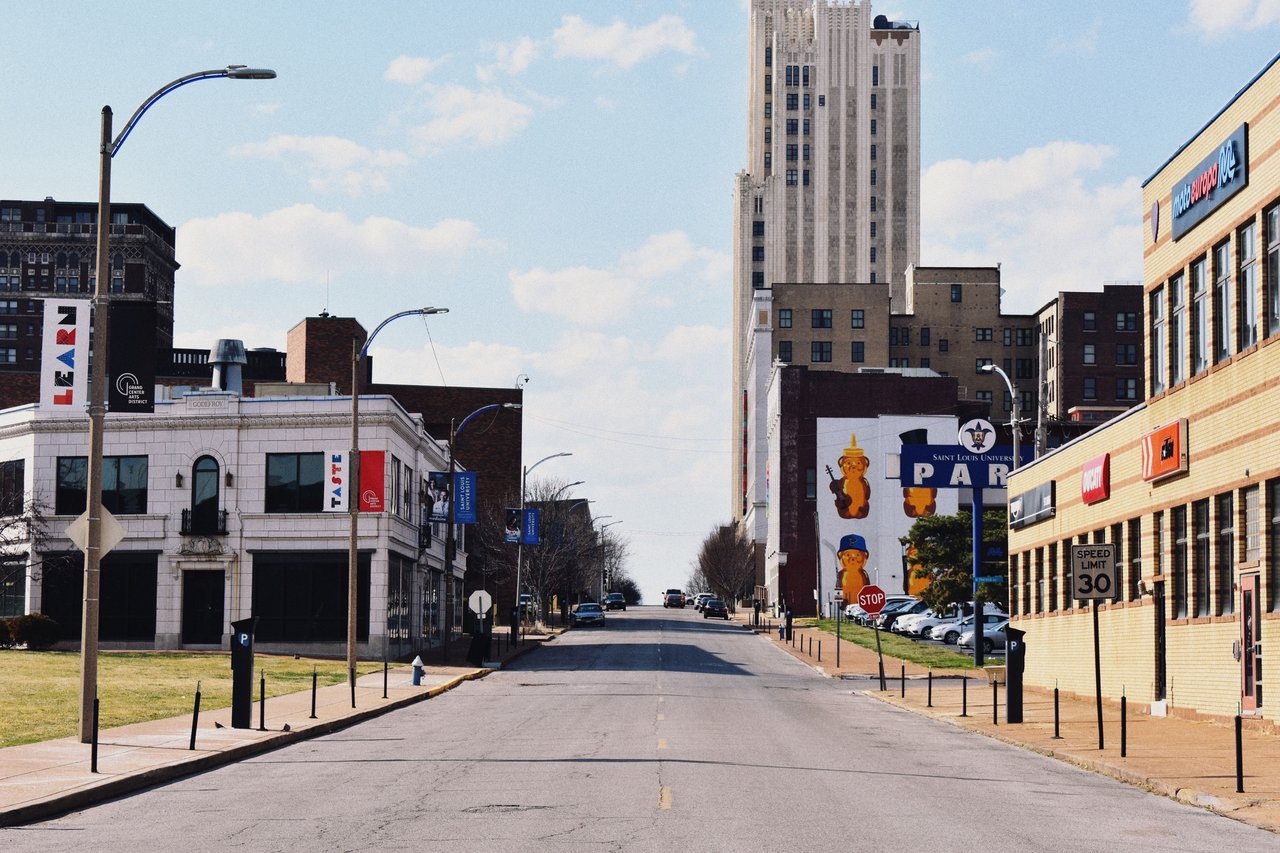
East St. Louis has long battled economic and social challenges, but a decade ago, there was cautious optimism about redevelopment. Unfortunately, by 2026, the city continues to face high unemployment, reduced public services, and a declining population, making it one of the most economically distressed towns in America.
8. Chester, Pennsylvania
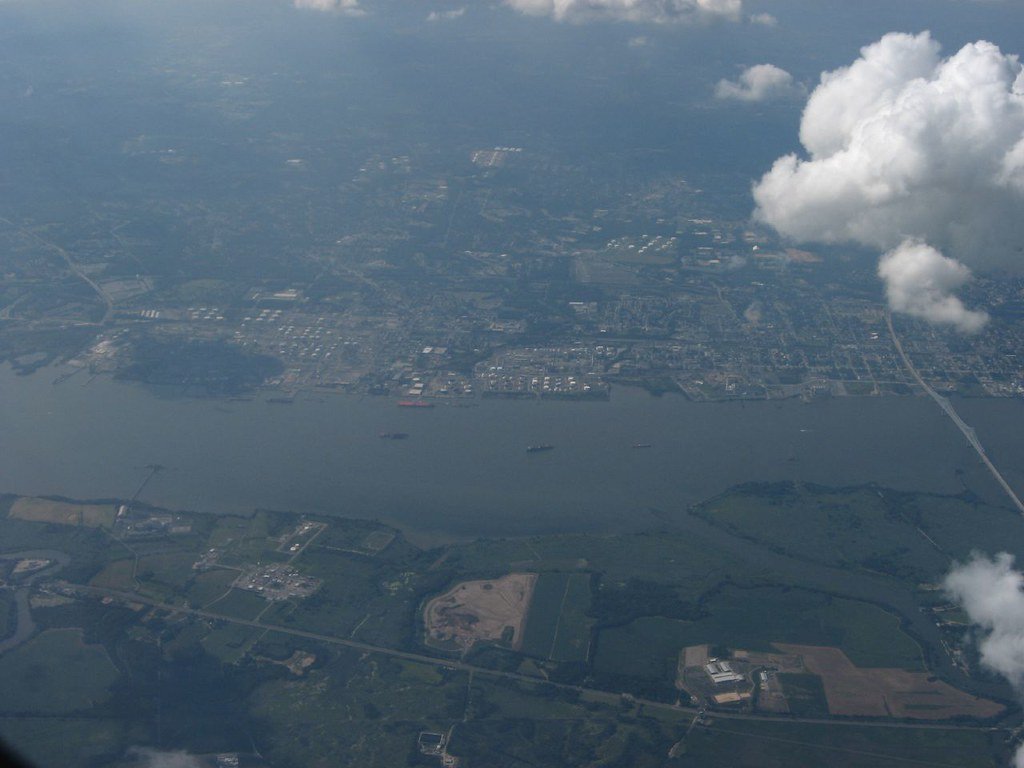
Chester was a manufacturing and shipping center, but industrial decline has devastated the local economy. Despite some waterfront redevelopment projects, widespread poverty and unemployment persist. In 2026, Chester’s economic distress is compounded by limited access to quality education and healthcare.
These eight towns illustrate how economic fortunes can shift dramatically over a decade. While some hope remains in redevelopment efforts, the challenges facing these communities highlight the need for sustained investment and innovative economic strategies to reverse decline.