9 US Cities Seeing the Sharpest Rental Price Drops by Late 2026
Discover which 9 US cities are experiencing the steepest rental price declines as of late 2026 and why renters are flocking there.
Jay Brand/Pexels
As rental markets shift dramatically in 2026, certain US cities are witnessing unprecedented drops in rental prices. From tech-driven exoduses to shifting job markets, these 9 cities stand out for their steep declines, offering renters unique opportunities to save big this year.
1. Pittsburgh, Pennsylvania
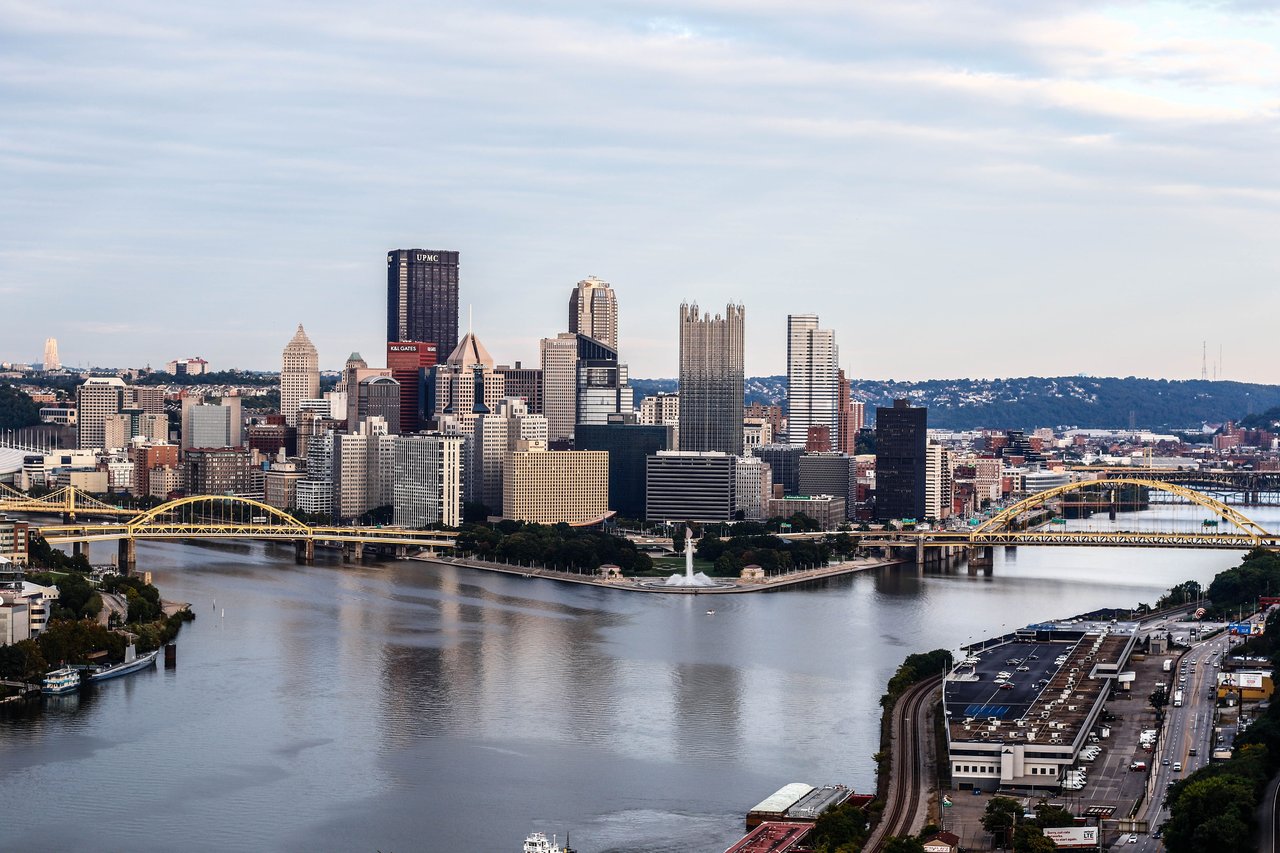
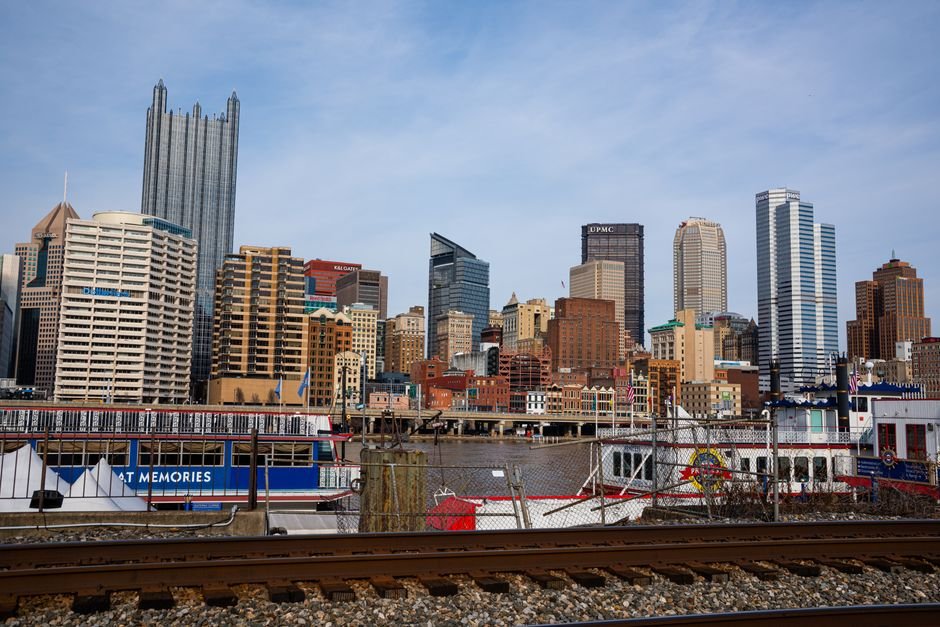
Pittsburgh’s rental market has softened considerably in 2026, with average rents falling nearly 12% compared to early 2025. The decline is largely attributed to an outflow of tech workers relocating to more affordable cities and a saturation of new apartment developments completed in the last two years. Neighborhoods like Lawrenceville and East Liberty have seen the most significant price adjustments, making Pittsburgh one of the most renter-friendly cities this year.
2. Detroit, Michigan
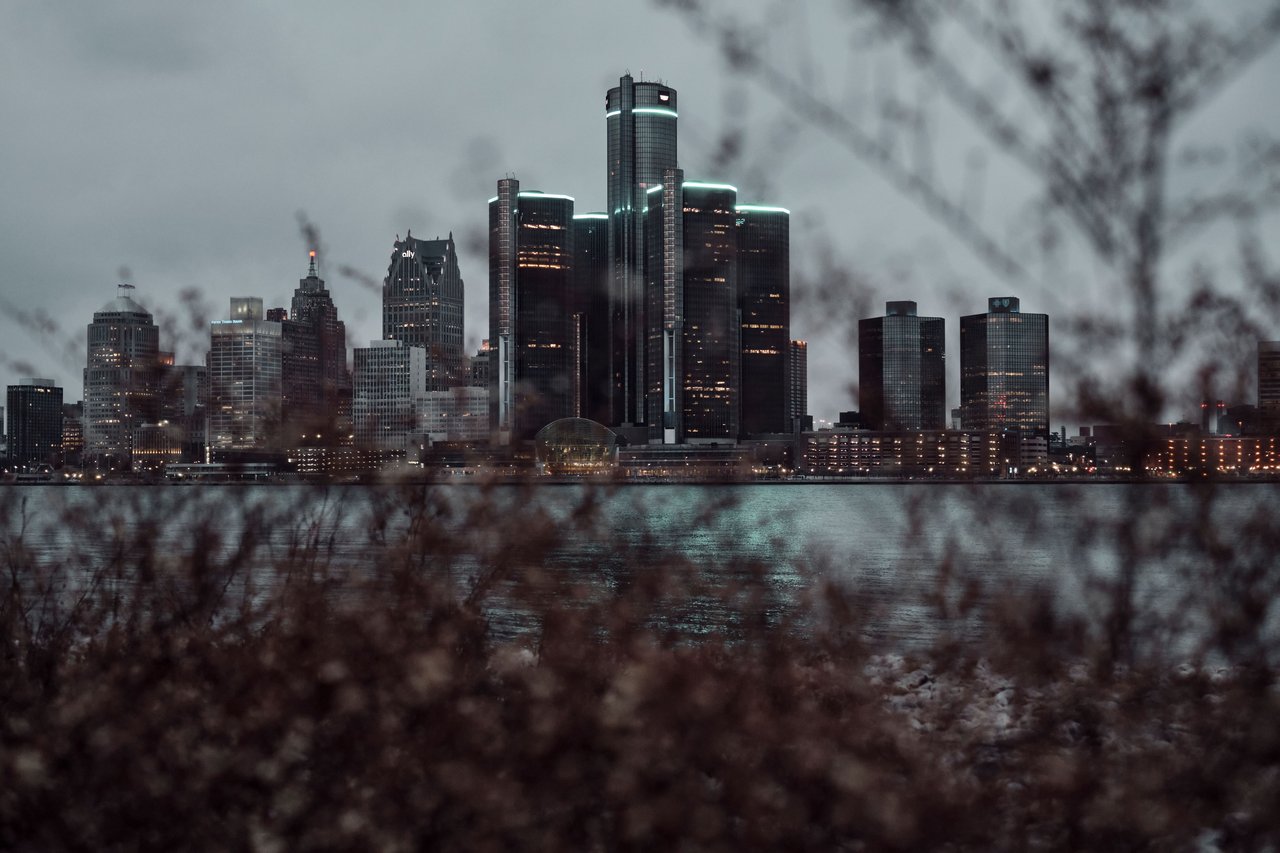
Once known for its rebirth, Detroit is now witnessing a 10% drop in rental prices by mid-2026. The decline follows a slower-than-expected economic recovery and increasing remote work trends reducing demand for urban living. The downtown and Midtown areas, previously hot spots, now offer landlords more incentives to attract tenants, including reduced rents and flexible lease terms.
3. Las Vegas, Nevada
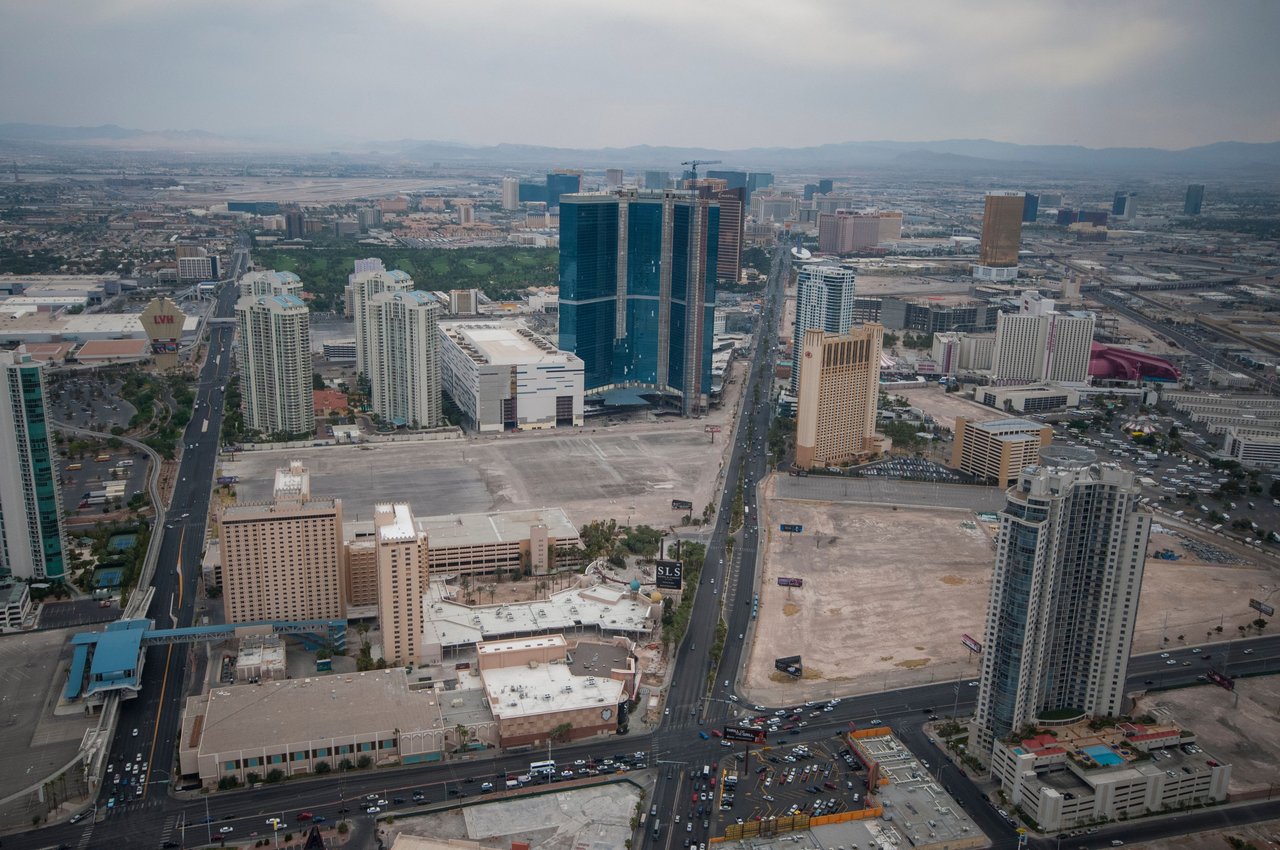
Las Vegas has experienced an 11% rental price decrease as of late 2026. The city’s overreliance on tourism and hospitality sectors, which face lingering post-pandemic disruptions, has dampened housing demand. Additionally, a surge in new apartment completions has created a renter’s market, especially in the Summerlin and Henderson neighborhoods, driving prices down noticeably.
4. Cleveland, Ohio
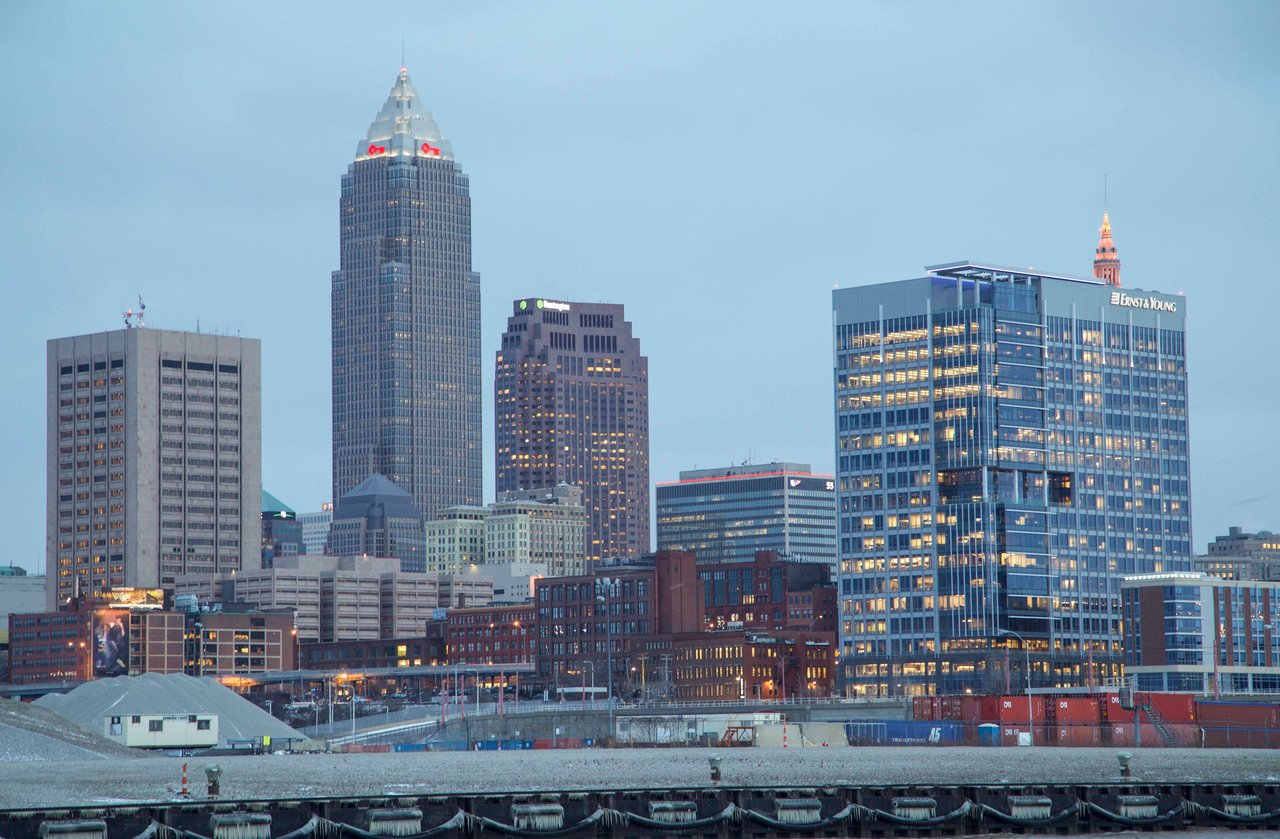
Cleveland’s rental prices have dipped about 9% in 2026, influenced by a sluggish job market and an oversupply of rental units. The city’s efforts to revitalize its urban core have yet to translate into strong rental demand, particularly in neighborhoods like Ohio City and Tremont. This makes Cleveland an attractive option for renters seeking affordable urban living with increasing amenities.
5. Albuquerque, New Mexico

Albuquerque is seeing rental prices fall by around 8% as of mid-2026, reflecting a cooling housing market after several years of rapid rent growth. The city’s growing remote worker population has plateaued, and rising vacancy rates have pressured landlords to reduce rents, particularly in areas like Nob Hill and Downtown Albuquerque.
6. St. Louis, Missouri

Rental prices in St. Louis have declined roughly 10% in 2026, driven by a combination of economic challenges and a spike in new apartment supply. Neighborhoods such as The Central West End and Cortex Innovation District, once commanding premium rents, have seen the most significant adjustments as tenants gain greater negotiating power.
7. Memphis, Tennessee

Memphis rental rates dropped by approximately 7% in 2026, partly due to slower job creation and a rise in single-family home availability which competes with apartment rentals. Areas like Downtown and Midtown have been affected by this shift, making Memphis a more affordable city for renters seeking southern charm with lower costs.
8. Jacksonville, Florida
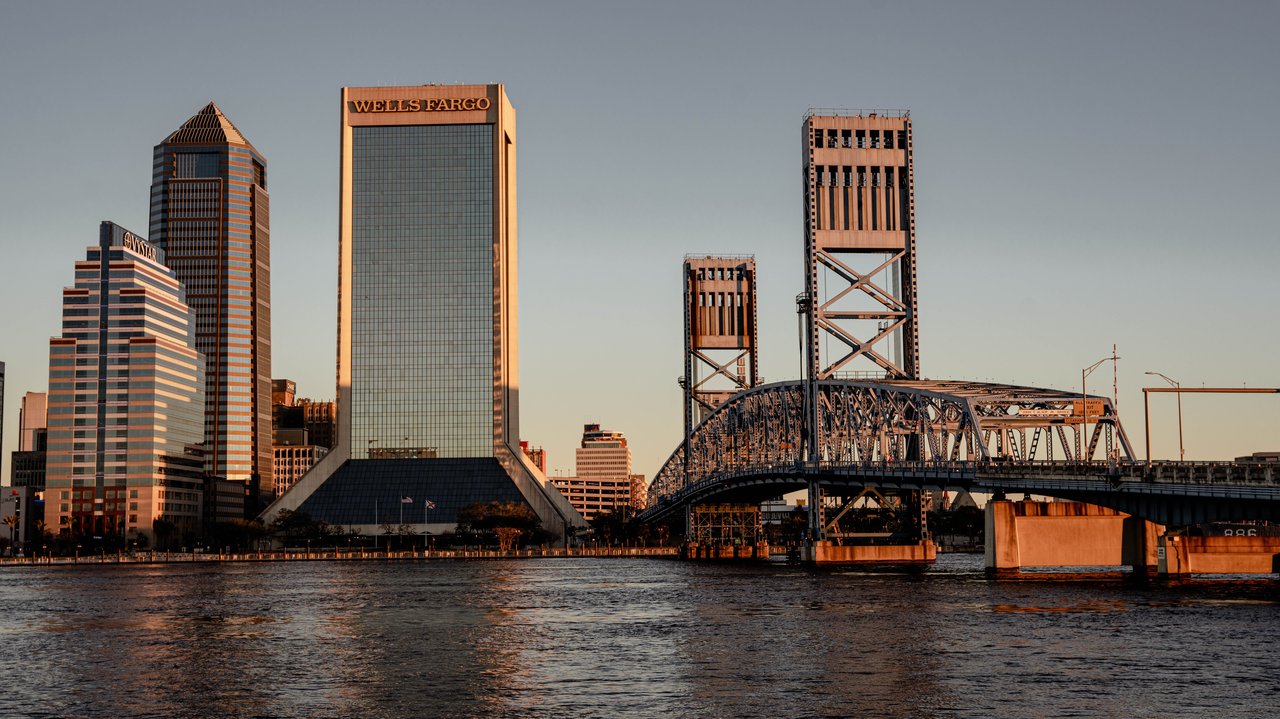
Jacksonville has recorded a 9% fall in rental prices during 2026, reversing prior years of rapid growth. The city’s expanding inventory of new residential developments and a slight slowdown in in-migration have contributed to this trend, especially in the Riverside and San Marco neighborhoods, where landlords are offering more competitive rates.
9. Buffalo, New York
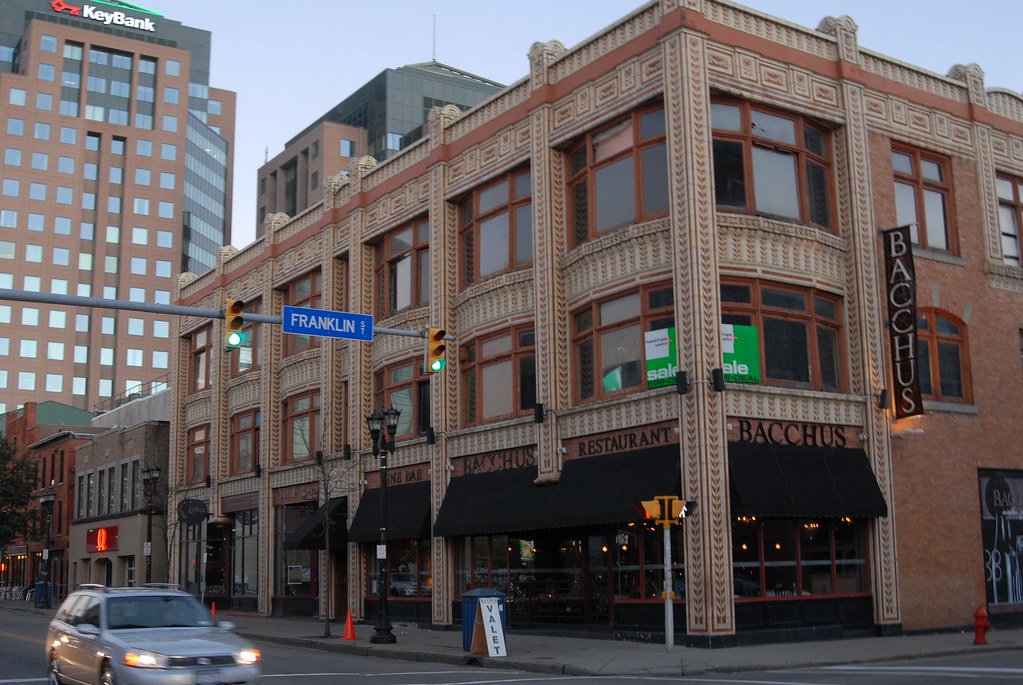
Buffalo’s rental market softened by about 8% in 2026 amid slower economic growth and an increase in rental unit availability. The city’s revitalization efforts continue, but rental demand has not kept pace with new developments, particularly in Elmwood Village and Allentown, resulting in more affordable rents for tenants.
These 9 US cities highlight the dynamic nature of rental markets in 2026, with shifting economic factors and housing supply driving significant price adjustments. For renters, these declines represent opportunities to find affordable housing options in urban centers that were previously out of reach.