Charlotte’s Innovative Pilot Program Offers Hope for Overwhelmed Emergency Departments Facing Youth Mental Health Crisis
A successful pilot program in Charlotte aims to reduce long emergency department stays for children experiencing mental health crises, offering a new model for North Carolina.
Associated Press
North Carolina legislators are exploring a promising solution to a growing crisis: the prolonged ‘boarding’ of children in emergency departments due to mental health challenges. A pilot program in Charlotte has demonstrated significant success in shortening these stays and providing more appropriate care, prompting discussions about statewide expansion.
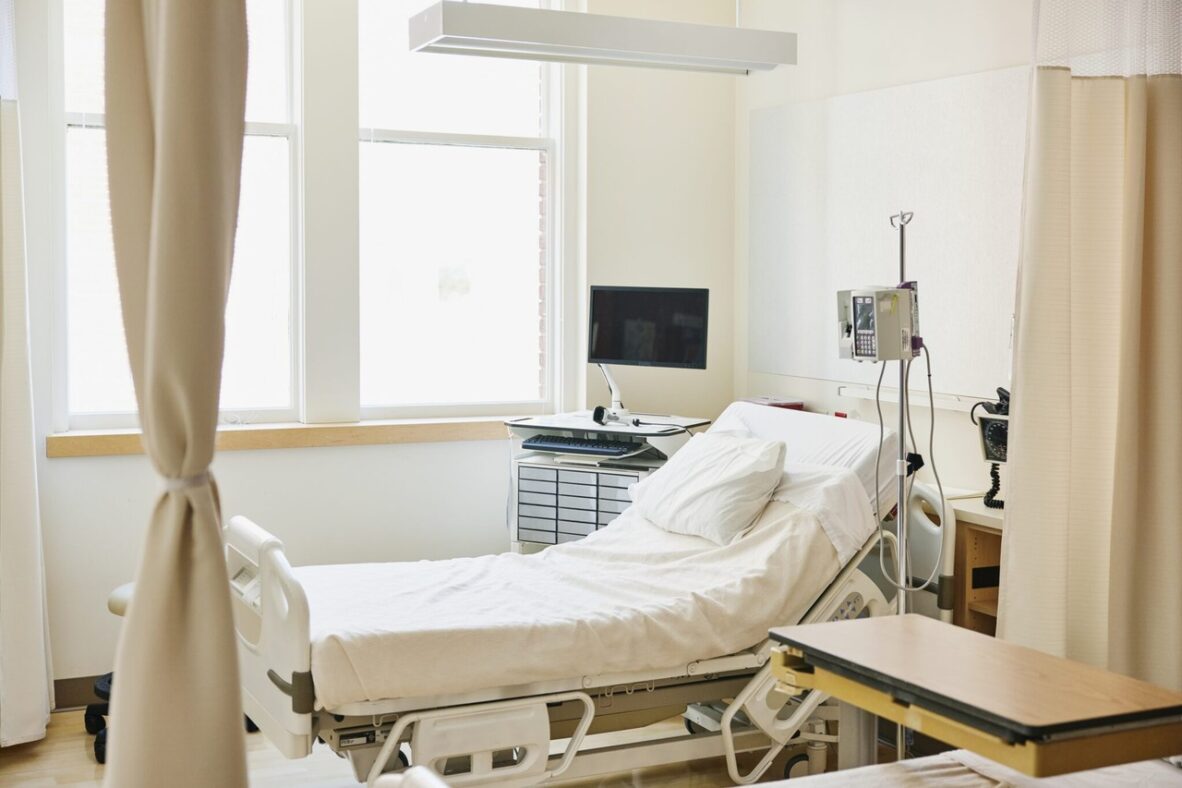
Lawmakers on the state House Health Committee have grappled with the distressing reality of young people experiencing mental health emergencies being admitted to emergency rooms, only to remain for days or even weeks without a clear treatment path. These children often present with behavioral issues that preclude safe release, yet their conditions do not necessitate traditional hospital admission, leaving them in a state of limbo.
A New Model for Crisis Intervention
Leaders from the Carolina Complete Health Network (CCHN) recently presented compelling data from their pilot initiative to the committee. The program, known as the Crisis Intervention Therapy and Education (CITE) model, centers on a multi-pronged approach designed to swiftly identify, treat, and support at-risk youth.
The cornerstone of the CITE model, according to Katie McKay, senior director of clinical operations for CCHN, is the placement of a dedicated behavioral health clinician directly within the emergency department. This clinician serves as the primary point of contact for families, diligently assessing the needs of children in crisis and identifying suitable treatment avenues. Crucially, this clinician also facilitates referrals to specialized community-based providers.
Mobile Response and Extended Support
A key partner in the CITE model is MORES (Mobile Outreach, Response, Engagement, and Stabilization). This mobile provider is designed to offer rapid intervention, responding to crises within an hour. The MORES team then provides up to eight weeks of crucial follow-up care, ensuring continuity and stability for the young person and their family. While this program receives public funding from the N.C. Department of Health and Human Services, its availability is not yet universal across all counties.
The final, vital component of the CITE model involves comprehensive family education. The MORES team equips families with the knowledge and skills to recognize the early signs of a crisis, implement effective response strategies, and understand the range of available resources beyond the emergency department setting.
Transforming Lengthy Stays
Dr. Michael Utecht, chief medical director for Carolina Complete Health, highlighted the stark contrast between pre-pilot conditions and the program’s outcomes. Before the implementation of the CITE model at Novant Health Presbyterian Medical Center, some children were experiencing boarding periods of four to six weeks. These extended stays not only occupied valuable hospital resources but also deprived children of essential behavioral health treatment and social interaction.
“One 13-year-old, he was there for seven months. He gained 100 pounds. These are horrific stories. But this is what happens because there’s not much else to offer,” Dr. Utecht recounted, underscoring the urgent need for such interventions.
Since the pilot’s inception, the average length of stay for children under these ‘social holds’ at Novant has dramatically decreased to just three to four days, a testament to the program’s effectiveness.
Legislative Support and Future Expansion
The pilot’s success has garnered significant attention and support from legislators. Rep. Donna White (R-Johnston) expressed a strong desire for the program’s expansion, noting that hospitals in her district are often ill-equipped to manage the complex needs of these patients, many of whom are foster children placed in hospitals due to a lack of specialized care.
Rep. Grant Campbell (R-Cabarrus), a medical doctor, observed the escalating trend of behavioral health holds in emergency departments. “When I started practicing medicine, it was rare to see a behavioral health hold in the emergency department. Now, it’s not uncommon for a third of our bed-capacity in the emergency room to be filled up with those [patients],” he stated. He emphasized that beds occupied by patients who could receive more appropriate care elsewhere are beds unavailable for those requiring immediate medical attention.
While acknowledging the financial considerations, with the pilot costing approximately $90,000 for the dedicated clinician and an additional $130,000 for the MORES team over eight weeks, legislators recognize the significant return on investment. Rep. Donny Lambeth (R-Forsyth), a senior budget chair, remarked, “Money is precious. We’re struggling with that. But the pilot had a good outcome that we can certainly build on.” The potential for scaling this model to rural areas, which may face unique resource challenges, is a key consideration for future implementation.
The Charlotte pilot offers a tangible and effective model for addressing the critical issue of emergency department boarding for youth in mental health crisis, paving the way for a more supportive and responsive system across North Carolina.