Winter’s Chill Deepens Financial Strain for North Carolina Families, Driving Surge in Utility Assistance Requests
A severe winter cold snap amplified North Carolina’s affordability crisis, leading to record energy bills and increased demand for financial aid.
Associated Press
The prolonged and intense cold experienced across North Carolina this past winter has significantly exacerbated an existing affordability crisis, resulting in a substantial uptick in requests for utility assistance. Non-profit organizations are reporting an unprecedented demand for help as families struggle to cope with soaring energy costs on top of already strained budgets.
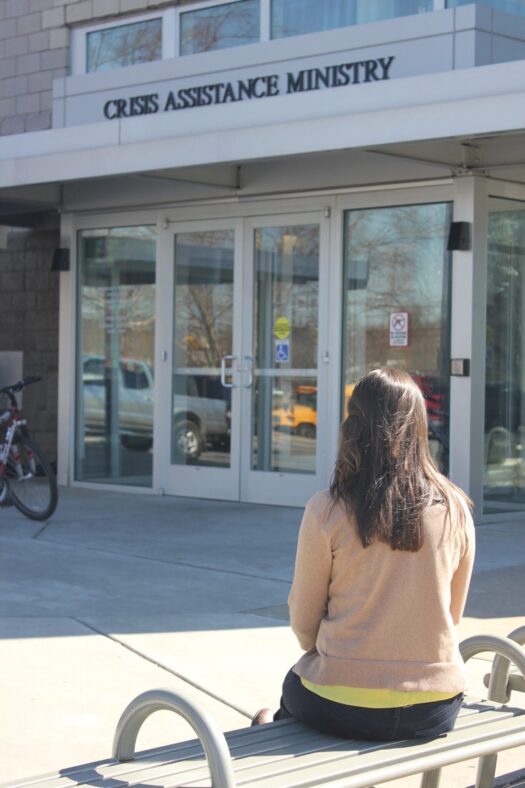
Carol Hardison, CEO of Crisis Assistance Ministry in Charlotte, noted that the organization, which provides emergency financial aid to families in crisis, has seen a dramatic increase in demand. This surge is directly linked to the elevated utility bills that followed the multi-week cold snap. Even long-time donors, typically able to absorb unexpected expenses, began reaching out to inquire about how they could support those less fortunate.
“The donors knew they could absorb the spike, but they started thinking about the people here,” Hardison stated. She explained that for families living paycheck-to-paycheck, already struggling with the rising costs of essentials like food and housing, an unexpected spike in energy bills can be devastating. “When the utility bill goes up and spikes, they come to us because there’s not that kind of room in a budget that’s paycheck-to-paycheck with the high cost of living here,” Hardison elaborated. “People think about having to pay rent, put food on the table, and sometimes utilities have to be sacrificed.”
While higher energy bills are typical in winter, Hardison mentioned that the most significant wave of assistance requests usually arrives later in the spring, often when families are on the brink of having their services disconnected. Data from the spring of 2025 revealed that 3,269 households sought help with utility bills, with the average request amounting to $514. However, actual bills often exceed this figure, with clients contributing what they can, typically between $300 and $400, to offset the total amount needed. Projections for 2026 indicate an even greater need, with an anticipated increase of $109,000 in assistance compared to the $548,000 distributed between March and June of the previous year.
The severity of the situation was underscored by Hardison’s account of individuals seeking help while relying on medical equipment like oxygen tanks, or those who had already experienced power outages for days. “People were coming in with oxygen tanks who didn’t have electricity,” she recalled. “People were coming in who had been without electricity for a couple days. It’s really been a challenge this year.”
Chanelle Durham, a single mother, exemplifies the struggles faced by many. She found herself with a $2,300 utility bill deficit last fall and, despite contributing $1,000, still owes approximately $300. Relying on Social Security and child support, Durham explained that she often has to prioritize essential needs like school supplies and clothing over utility payments. “I could never afford a $400 bill without working, anyway,” she stated, highlighting the persistent challenge of finding affordable childcare to enable her to work.
Corporate Response and Rate Hike Controversies
In response to the escalating needs, the Duke Energy Foundation, the philanthropic arm of Duke Energy and a supporter of Crisis Assistance Ministry, is bolstering its Share the Light Fund with an additional $500,000. This program aids families facing financial hardships with their energy bills, having already distributed over $1 million in 2026. The foundation is also offering $500,000 in grants to non-profits assisting seniors with essential services.
Madison McDonald, a senior communications manager for Duke Energy, acknowledged the growing funding needs of community support organizations. “I think right now, we recognize that consumer costs continue to rise on many everyday products and services,” McDonald said. This increased foundation support comes as Duke Energy faces public scrutiny over its requests for rate increases. Over 82,000 customers have signed a petition demanding an audit of the company’s billing system, citing unexplained spikes. Duke Energy has formally requested an 18% increase in electricity rates over the next two years, which could translate to an additional $28 to $34 per month for customers. The company also seeks to recover $800 million spent on purchasing electricity during the winter cold snaps. McDonald defended these increases as necessary investments in grid upgrades to improve reliability and resilience against storm-related outages, emphasizing the company’s commitment to providing resources for customers to manage energy costs.
The Stagnant Minimum Wage Debate
Beyond immediate utility assistance, the fundamental issue of inadequate wages remains a critical barrier to affordability. Hardison stressed that the vast majority of needs at Crisis Assistance Ministry stem from a disconnect between wages and the cost of living. “Over 95% of the need that comes here is as simple as a disconnect between the wages and the cost of living,” she stated. “If people get paid for the work they’re doing, they can figure out how to put food on the table and keep electricity running with a roof over their heads.”
North Carolina’s minimum wage remains at $7.25 per hour, unchanged since 2009. This stagnant rate contrasts sharply with the rising cost of living. Recent legislative efforts, such as the proposed Fair Minimum Wage Act (House Bill 1059), aim to allow local governments to set higher minimum wages, potentially up to $15 per hour, with annual adjustments for inflation. However, legislative leaders have historically opposed increases, citing potential negative impacts on the state’s economy, job creation, and opportunities for low-skilled workers.
Representative Vernetta Alston highlighted that addressing affordability issues, including housing shortages and utility costs, is crucial for the economic well-being of North Carolinians. The push for higher wages and more robust social safety nets is seen as essential to preventing families from falling behind on basic necessities.