Renewed US-Iran Tensions Spark Global Market Jitters and Oil Fears
Fresh clashes between the US and Iran shake global markets, raising oil prices and inflation fears amid economic uncertainty in 2026.
Maxim Hopman/Unsplash
Fresh hostilities between the United States and Iran have reignited uncertainty across global financial markets and energy sectors, just months after a fragile ceasefire appeared to ease tensions in the volatile Middle East. The escalation began in early July 2026 when US forces launched retaliatory strikes on multiple Iranian coastal targets following suspected Iranian assaults on vessels navigating the Strait of Hormuz, a critical chokepoint for global oil shipments. This renewed conflict has exacerbated already shaky economic conditions worldwide, sending crude oil prices higher and rattling stock markets.
Middle East Conflict Spurs Oil Price Surge
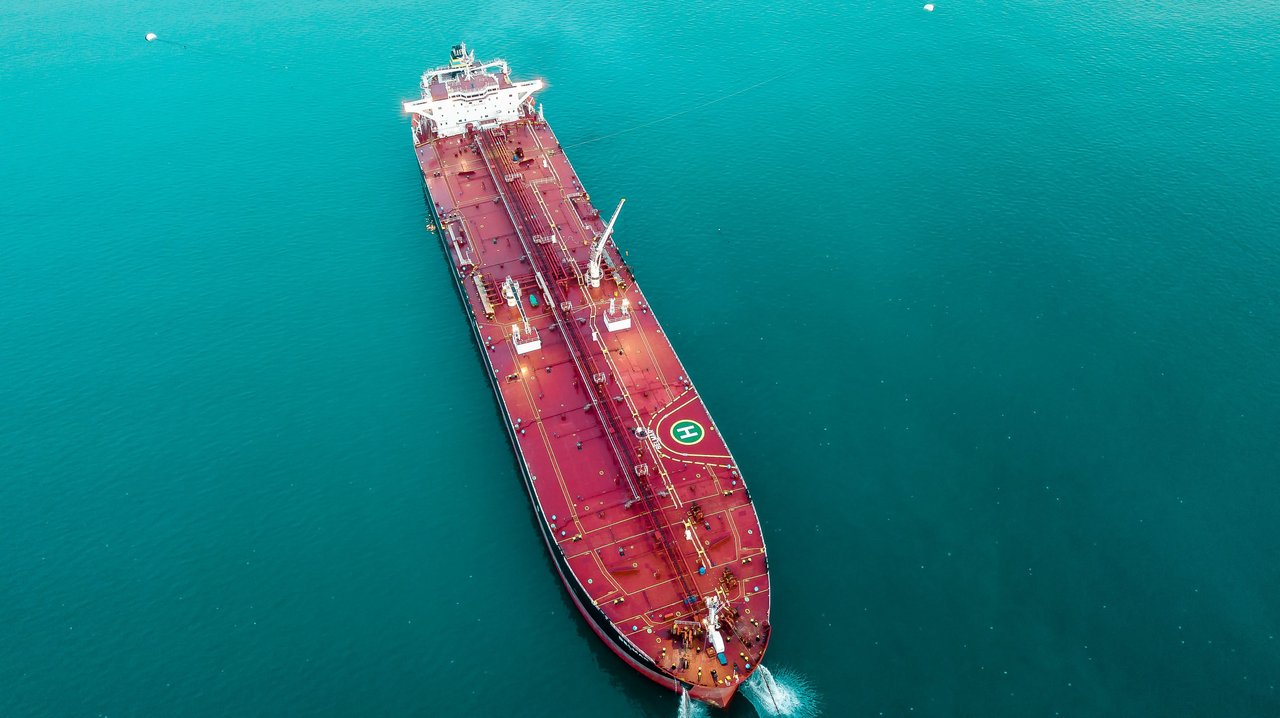
The breakdown of the ceasefire in the Strait of Hormuz has led to a swift increase in crude oil prices, with US and international benchmarks jumping approximately 7% in a single trading day. The Strait is a vital artery for about a fifth of the world’s oil supply, making any disruption a significant concern for global energy markets. While the initial spike has been somewhat contained, retail gasoline prices in the United States have begun to creep upward, signaling potential inflationary pressures ahead.
Despite the price jump, analysts note the market’s reaction suggests investors do not anticipate a full-scale war. Retail gasoline prices rose by less than a penny per gallon overnight, according to AAA, but the risk of further increases looms as higher crude costs may be passed on to consumers in the coming weeks.
Market Volatility Reflects Heightened Investor Anxiety
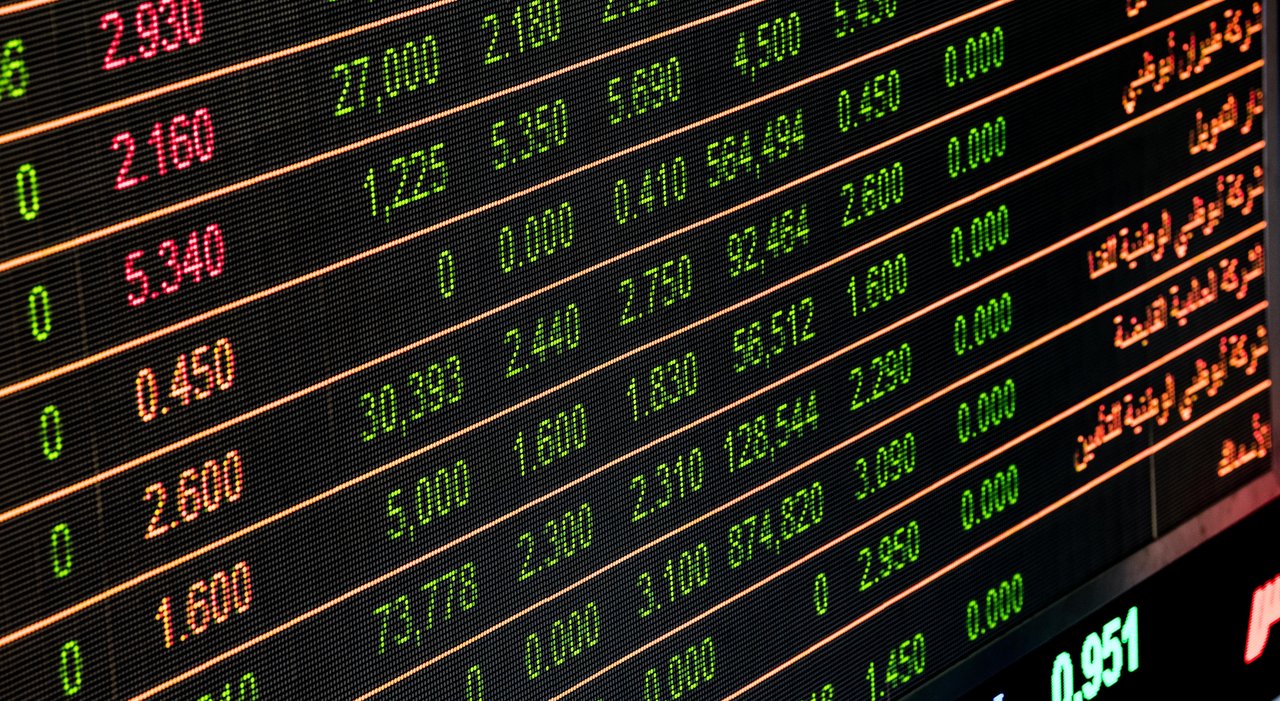
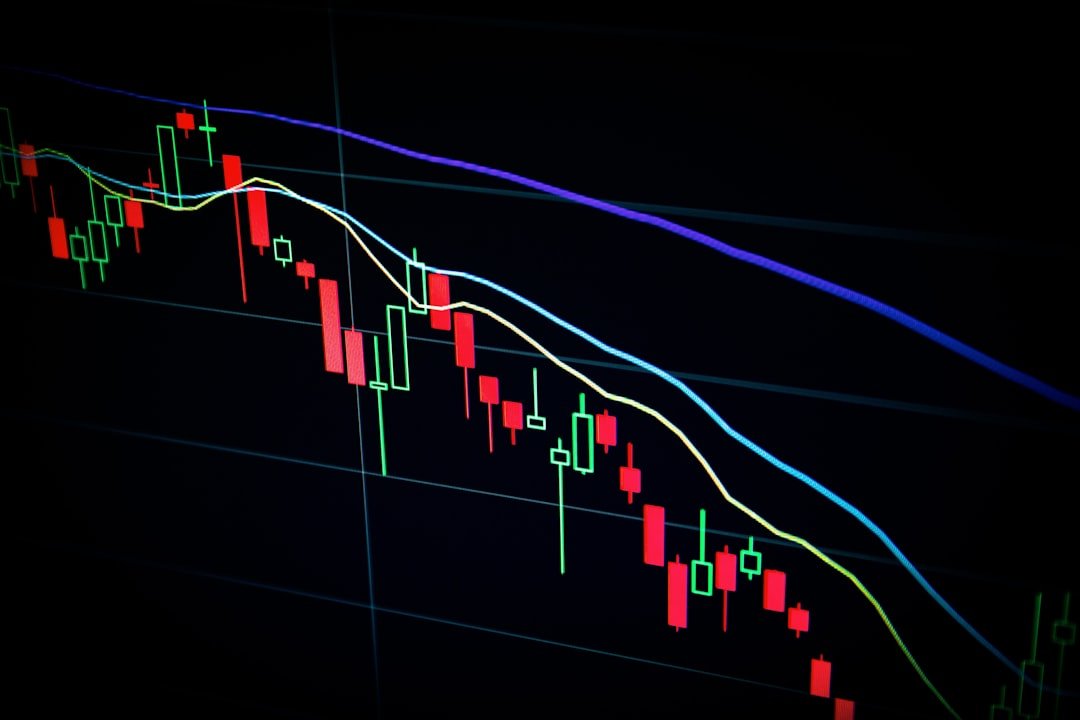
Equity markets reacted sharply to the renewed conflict, with the Dow Jones Industrial Average plunging more than 800 points, or 1.5%, wiping out gains made just days earlier. Bond yields surged overnight, reflecting investor concerns over ongoing geopolitical instability and its potential to disrupt global supply chains and economic growth.
The volatility follows months of market unease since the US and Israel first launched strikes against Iran in February 2026. The latest flare-up underscores how fragile the current ceasefire arrangement is, contributing to continued uncertainty in financial markets.
Federal Reserve Faces Mounting Pressure Amid Rising Inflation

As tensions escalate, the Federal Reserve, under new chair Kevin Warsh, confronts increased challenges in navigating monetary policy. Inflation in the US has climbed to a three-year high, partly fueled by rising energy prices exacerbated by the Middle East conflict. Warsh’s first Federal Open Market Committee meeting this week is expected to hold interest rates steady, but markets are pricing in a rising chance of a rate hike later in July.
The Federal Reserve is closely monitoring the evolving situation, as higher energy costs and potential new global tariffs threaten to push inflation further above the Fed’s 2% target. These developments complicate the central bank’s efforts to balance economic growth with price stability.
Global Economic Outlook Darkened by Renewed Conflict

Even before the recent escalation, the International Monetary Fund had downgraded its growth forecast for 2026, predicting global GDP expansion of just 3%, down from 3.5% in the previous year. The IMF’s latest outlook warns that renewed Middle East hostilities could intensify commodity price swings, disrupt supply chains, and impose greater financial strain worldwide.
Key concerns include:
- Extended volatility in oil and commodity markets
- Rising inflationary pressures on consumer goods
- Heightened uncertainty undermining business investment and spending
- Potential disruptions to global trade flows and supply chains
These factors collectively threaten to slow the fragile recovery of the global economy and compound risks already faced by many countries.
As the situation continues to develop, all eyes will remain on diplomatic efforts to de-escalate tensions and on economic indicators that will reveal how deeply the renewed conflict will impact markets and everyday consumers around the world.