Cyclosporiasis Outbreak Spreads to 31 States, Over 800 Cases Reported
A cyclosporiasis outbreak has hit more than half of U.S. states, causing hundreds of illnesses and prompting health warnings.
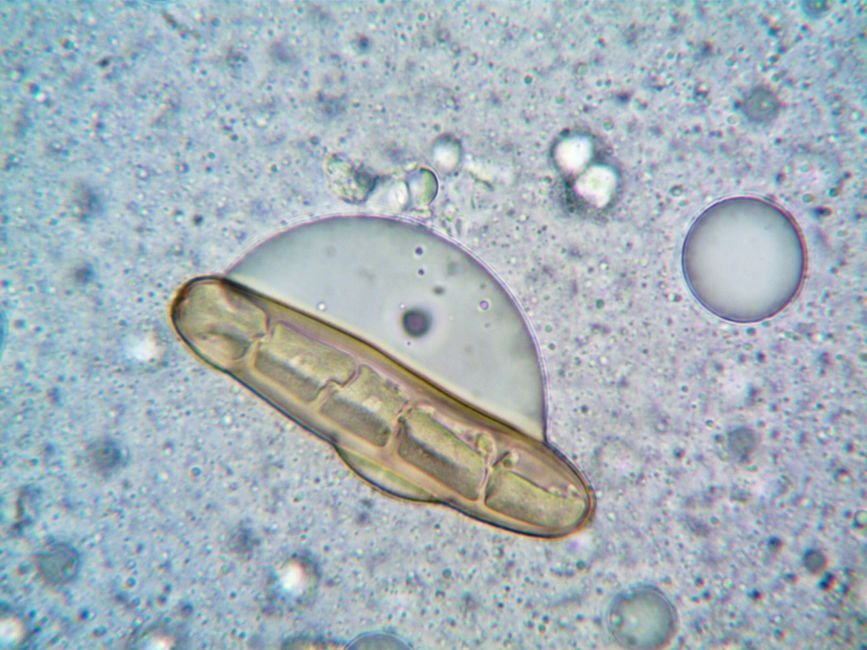
turek/Pexels
Health officials across the United States are tracking a significant outbreak of cyclosporiasis, a parasitic intestinal illness causing diarrhea, nausea, and fatigue. As of July 9, 2026, the Centers for Disease Control and Prevention (CDC) has confirmed at least 843 cases in 31 states, although the actual number is believed to be higher. The source of the outbreak remains under investigation as cases continue to rise.
Current Scope and Impact of the Outbreak
The ongoing cyclosporiasis outbreak has affected states nationwide, with reports spanning from California and Texas in the south to New York and Michigan in the north. Michigan has reported the highest number of cases, documenting 1,562 infections as of July 10, 2026. Nationwide, 86 hospitalizations have been recorded, but no deaths have been reported so far.
The illness impacts a wide age range, with confirmed cases among individuals from 5 to 88 years old. The Ohio Department of Health reported 177 cases by early July, most occurring in June, highlighting a recent surge in infections. Dr. Bruce Vanderhoff, Ohio’s health director, emphasized the seriousness of cyclosporiasis, noting it can cause dehydration and require emergency medical care.
Health experts warn that the true number of infections is likely higher than reported due to delays in diagnosis and reporting, as well as many mild cases going unreported because people recover without medical intervention.
What Is Cyclosporiasis and How Is It Spread?
Cyclosporiasis is caused by the microscopic parasite Cyclospora cayetanensis, which infects the small intestine. The parasite is typically transmitted through ingestion of food or water contaminated with fecal matter containing Cyclospora. Symptoms usually develop between two days and two weeks after exposure and include persistent diarrhea, stomach cramps, nausea, fatigue, and sometimes vomiting.
Previous outbreaks have been linked to contaminated fresh produce, including raspberries, basil, cilantro, snow peas, and lettuce. In past years, major outbreaks have led to recalls and public warnings, such as the 2018 McDonald’s salad recall and a 2013 outbreak tied to imported lettuce from Mexico.
The CDC notes that infections often rise during spring and summer, which is consistent with the current surge. However, this year’s increase has been larger than the same period in previous years for several states, raising concerns about the outbreak’s scale.
Investigations and Efforts to Identify the Source
Federal and state health officials are actively investigating the outbreak, interviewing those who have fallen ill to trace back potential sources of infection. This process is complicated by the long incubation period, which makes it difficult for patients to recall all foods consumed during the likely exposure window.
As of mid-July 2026, authorities have not yet pinpointed a specific food product or distribution network responsible for the outbreak. The CDC and Food and Drug Administration (FDA) continue to collaborate on tracing supply chains and analyzing laboratory samples to identify contaminated items.
Officials caution that multiple sources may be involved, and the investigation is ongoing. Consumers are urged to stay informed through official public health updates.
Preventing Cyclosporiasis: What Consumers Should Do
To reduce the risk of infection, public health experts recommend several precautions when handling fresh produce and food:
- Thoroughly wash all fresh fruits, vegetables, and herbs under running water before eating, cutting, or cooking.
- Cook produce when possible, as heating food to 158 degrees Fahrenheit or higher kills Cyclospora parasites.
- Practice good hand hygiene by washing hands with soap and water before and after handling fresh produce.
- Avoid consuming food or water from sources with uncertain sanitation practices.
Consumers who experience prolonged diarrhea, dehydration, or severe symptoms after eating fresh produce should seek medical attention promptly. Cyclosporiasis is generally treated with specific antibiotics prescribed by healthcare providers.
The outbreak underscores the importance of food safety and vigilance during peak infection seasons. While investigations continue, consumers and retailers alike are urged to take preventive measures to limit further spread.