Durham Implements Stage 2 Water Restrictions Amid Worsening Drought
Mandatory water use limitations begin Monday, June 15, as prolonged dry weather depletes reservoirs.
Sudarson Alwin/Pexels
DURHAM, N.C. – The City of Durham will enact Stage 2 water restrictions beginning Monday, June 15, 2026, in response to ongoing drought conditions that have significantly lowered water levels in the city’s reservoirs.
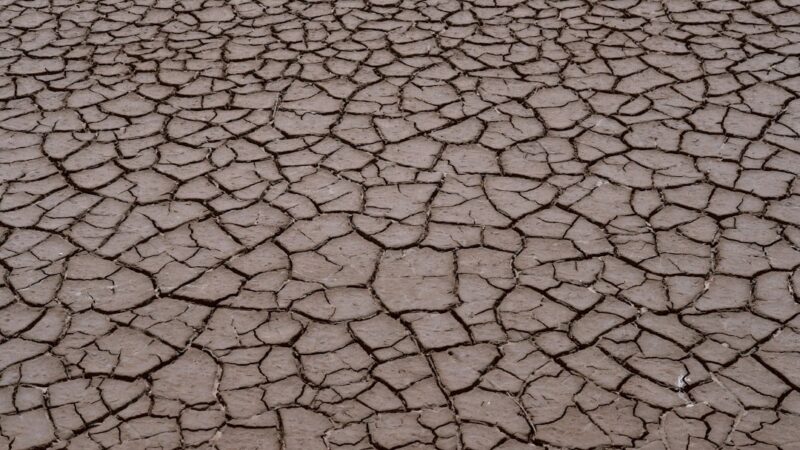
The decision comes as parts of the Triangle region are experiencing “exceptional drought,” the most severe category, according to the North Carolina Drought Management Advisory Council. Lake Michie and the Little River Reservoir, Durham’s primary water sources, have seen significant drops due to limited rainfall, warm temperatures, and increased water demand.
Under Stage 2 restrictions, all outdoor spray irrigation and in-ground sprinklers are prohibited. Residents can still water landscapes using hand-held hoses, drip irrigation systems, or tree and shrub watering bags. Decorative fountains, ponds, and pools are also affected; water can only be added if it is recycled, and pools may only be topped off to replace evaporation or spillage.
The restrictions also impact vehicle washing and the cleaning of hard surfaces. Washing cars at home is not permitted, though commercial car washes are allowed. Using city water to clean sidewalks, driveways, decks, or building exteriors is also prohibited, except in cases of direct health or safety issues or before painting.
For businesses, restaurants will only serve drinking water upon customer request. Facilities consuming over 100,000 gallons of water daily are asked to reduce their usage by 30% and document their conservation efforts. City officials are urging the community to adhere to the new regulations to help preserve the water supply.
As of June 11, 2026, Durham had approximately 103 days of easily accessible water supply remaining in its reservoirs. The State Climate Office’s ECONet station at the Durham Water Reclamation Facility has recorded 7.06 inches of rainfall since January 1, 2026, which is about 12 inches below the average based on data dating back to 2006. This marks the driest start to a year on record for the area.
The city’s Stage 2 restrictions will remain in effect until reservoir levels return to full capacity. Violations of the water use rules may result in enforcement actions as outlined in the City ordinance.