Ohio Navistar Plant Lays Off 1,400 Days Before Trump Rally Near Dayton
Nearly 1,400 workers were laid off at Ohio’s Navistar plant just days before President Trump’s rally near Dayton, fueling voter frustration.
NASA/Bill Ingalls/NASA
Nearly 1,400 employees were laid off Wednesday from the Navistar truck factory in Springfield, Ohio, just three days before President Donald Trump’s scheduled campaign rally near Dayton. The layoffs come amid growing economic frustrations in the region, threatening the GOP’s working-class support as the November elections approach.
Layoffs Hit Hard in Springfield and Dayton Area
Kyle Bos, a 30-year-old member of the United Auto Workers Local 402, described the layoffs as a major setback for his family and community. Bos, who has two daughters and a third child due in January, said the cost of living has surged, with grocery bills rising sharply. The loss of his job at the Navistar plant, once a symbol of stable factory employment, has motivated him to canvass for Democrats in the final weeks before the election.
“Something has to change politically in this country,” Bos said. Though he voted for Trump three times, Bos said he is done with the president. The layoffs represent a significant blow, wiping out nearly a year’s worth of job growth in the Dayton metro area.
Trump’s Rally and Political Implications
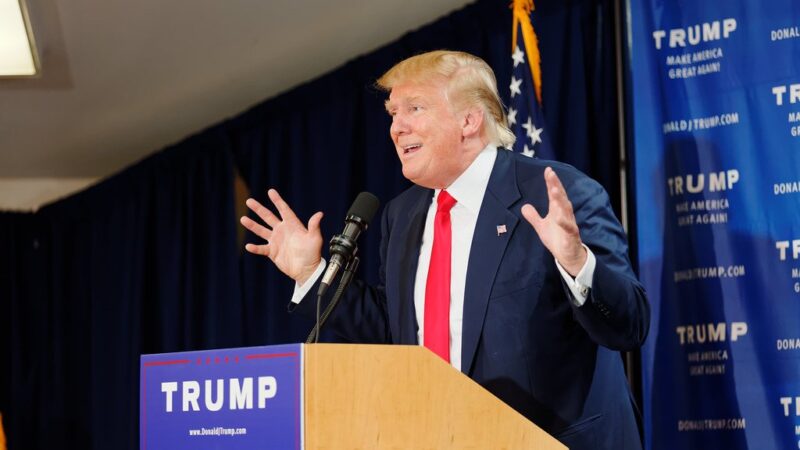
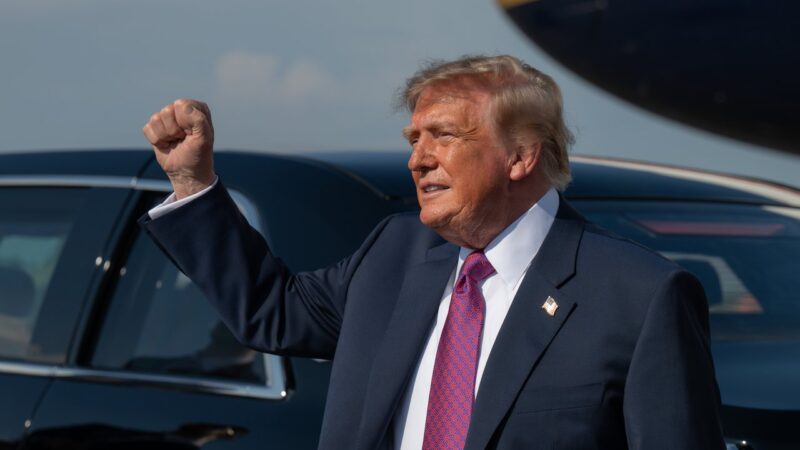
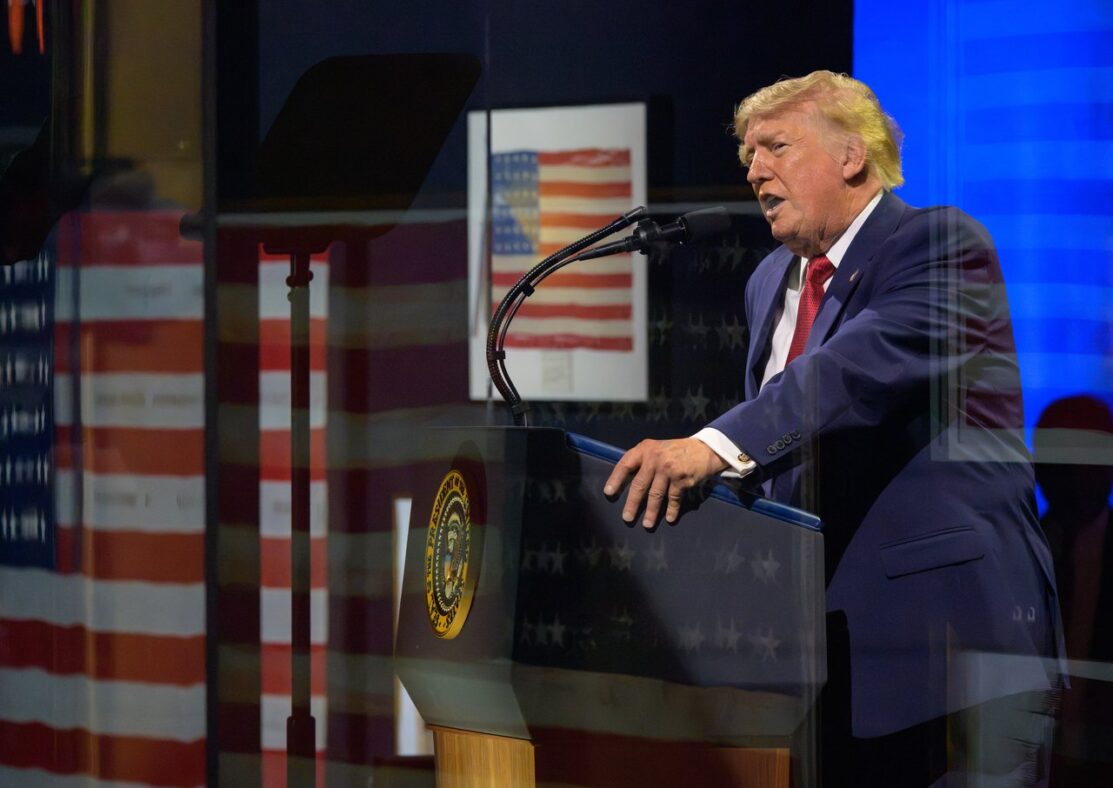
President Trump is holding a rally on Saturday at a nearby high school as part of a 32-day campaign tour aimed at convincing voters the economy is stronger than perceived. Trump highlighted recent factory openings across the country, but the Navistar layoffs contrast sharply with his message.
In the Dayton area, where manufacturing once thrived, the political landscape is shifting. Republicans had secured victories in previous elections, but inflation, the ongoing Iran war, and perceptions of the president’s insensitivity to working-class struggles have made the GOP vulnerable. Voters like Bos feel disconnected from Trump’s promises, including his pledge to send $5,000 checks if Republicans retain Congress — a proposal Bos called “a bribe, a slap in the face, and, like, that we’re all ignorant.”
Economic Challenges Rooted in Manufacturing Decline
Dayton’s manufacturing base has diminished significantly since 1990, losing about half of its 90,000 factory jobs due to trade agreements like NAFTA and China’s WTO entry. This decline contributed to rising drug addiction and crime, issues that prompted local leaders like Phil Plummer to seek political office.
Despite setbacks, the local economy has seen some recovery with expansions at Wright-Patterson Air Force Base, which employs about 38,000, and new aerospace companies relocating to the region. The White House has cited investments by companies such as Electra, Honda, and Stellantis as evidence of job growth under Trump’s policies.
Local Voices Reflect Deep Discontent
Workers like Bos and his UAW colleagues express frustration with the current political and economic environment. Bos, who identifies as a centrist, lamented the worsening conditions and expressed a desire for political change. His story is emblematic of larger sentiments in working-class communities across Ohio and the nation.
As the November election draws near, the fallout from the Navistar layoffs and the upcoming Trump rally underscore the high stakes for both parties in areas struggling with economic transition.
The Navistar layoffs and subsequent political reactions highlight the challenges facing working-class voters in the Midwest as economic realities collide with national political narratives.