North Carolina Legislature Pushes Conservative Amendments to November Ballot
Republican leaders in North Carolina are proposing multiple constitutional amendments for the November ballot, aiming to energize conservative voters.
Associated Press
North Carolina’s legislative session is heating up as Republican leaders push a series of proposed constitutional amendments onto the November ballot. This strategic move appears designed to mobilize conservative voters and potentially influence the upcoming election’s turnout.
New Amendments Target Key Conservative Issues
Two significant amendments were recently introduced in the State Senate, signaling a clear legislative agenda. Senate Bill 1081 aims to enshrine the constitutional right to “engage in farming and forestry,” while Senate Bill 1082 seeks to establish a constitutional “right to work,” prohibiting mandatory union membership as a condition of employment.
The rationale behind these proposals, as articulated by bill sponsors, centers on the perceived threats to these fundamental rights. While official statements from Senate leadership were not immediately available, social media posts from proponents suggest a narrative of these rights being under duress.
These additions join other proposed amendments already in the legislative pipeline. A third amendment, Senate Bill 1080, which was part of a recent budget agreement, proposes capping the state’s income tax at 3.5% starting in 2027. Meanwhile, House Republicans are championing House Bill 1089, an amendment focused on imposing limitations on property tax increases. Both are expected to move through legislative committees and potentially reach floor votes in the coming weeks.
Strategic Play to Boost Voter Turnout
Political observers note that this surge of amendments is reminiscent of strategies employed in past election cycles. David McLennan, director and political scientist, draws parallels to 2018 when a significant number of amendments were placed on the ballot to counter a perceived Democratic advantage.
“The cynic in me says this is just an attempt to ramp up Republican votes in the fall,” McLennan commented, questioning the tangible threats to some of the proposed rights, such as farming. He pointed to recent polling data indicating a widening lead for the Democratic U.S. Senate candidate and a dip in President Trump’s approval ratings in North Carolina as potential motivators for this legislative push.
McLennan suggests that these amendments are less about establishing new constitutional protections and more about a strategic appeal to the Republican base. “It’s not really about establishing constitutional rights as much as it is to signal to their voters, ‘Hey, look, we could have some trouble this year, but these things might bring you out because you care about taxes and property taxes and farming,'” he explained.
Bypassing Gubernatorial Veto Power
Another significant factor in the push for constitutional amendments is their ability to bypass the governor’s veto power. Once an amendment receives a three-fifths majority vote in both the State House and Senate, it is not subject to gubernatorial review. If approved by a majority of voters, it becomes law.
This mechanism offers a direct route to enacting policies favored by the Republican majority, regardless of the governor’s stance. However, the success of such amendments in galvanizing the electorate is not guaranteed. In 2018, while several conservative amendments passed, they did not prevent Democrats from breaking the Republican supermajority in the State House.
Furthermore, the legislative process itself presents hurdles. It remains uncertain whether each chamber will agree to consider amendments passed by the other, a point of contention in previous legislative sessions. The success of these proposals hinges not only on voter approval but also on inter-chamber cooperation.
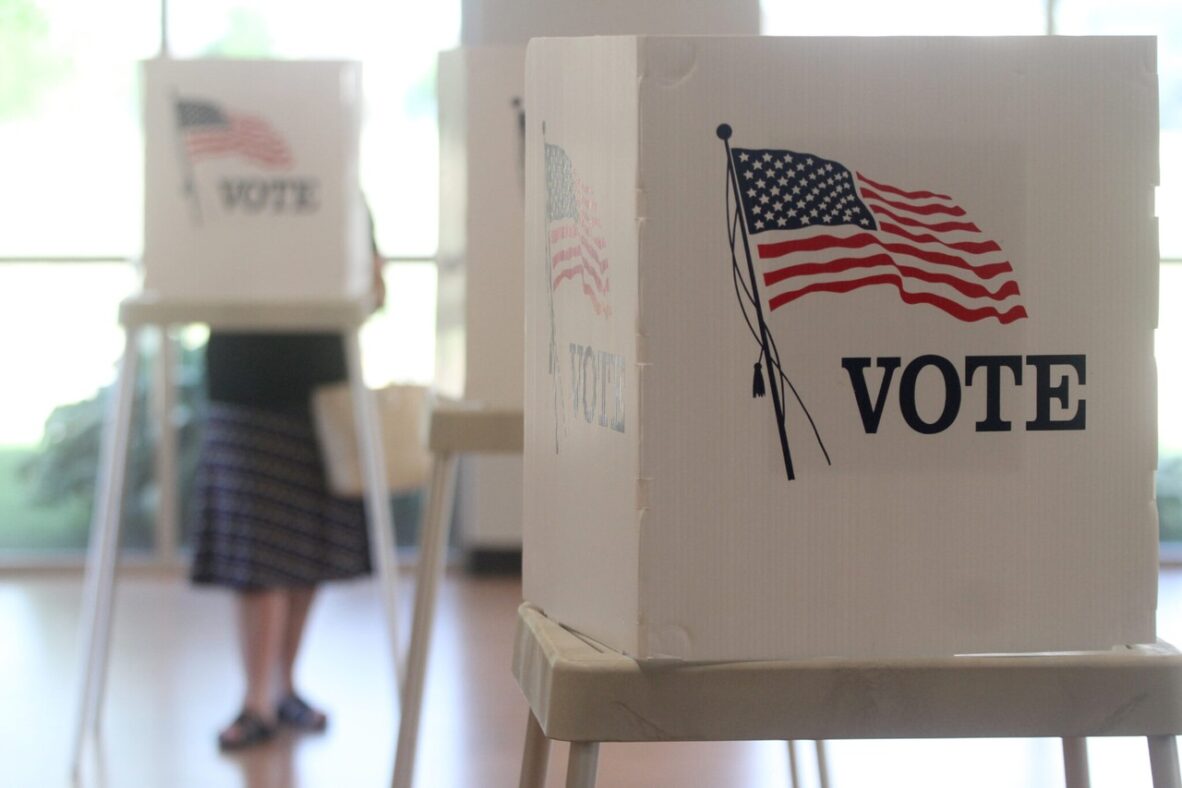
As the November election approaches, North Carolina voters are likely to face a ballot laden with proposed changes to their state constitution, reflecting a deliberate effort by Republican leadership to shape the political landscape and energize their base.