Supreme Court Blocks Trump Administration’s Cuts to UC Academic Funding
Supreme Court rejects Trump’s attempt to halt $324M in UC research grants over DEI policies, citing free speech protections.
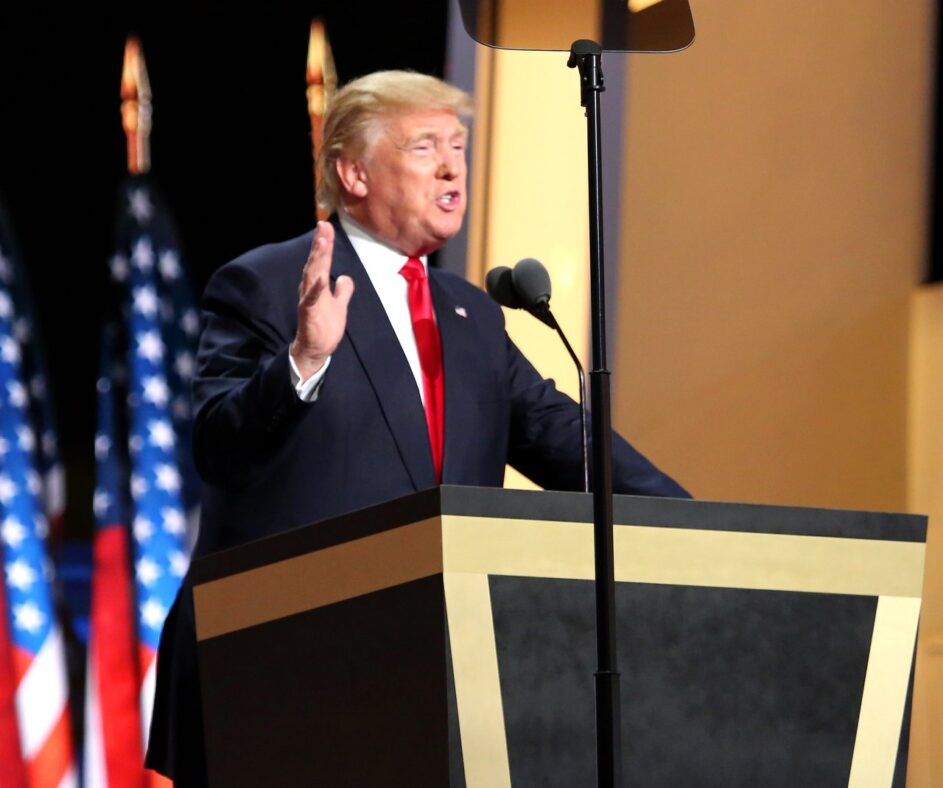
Ali Shaker/VOA/Wikimedia Commons
The Supreme Court on Monday rejected President Donald Trump’s effort to cancel academic funding for University of California researchers, ruling that terminating grants based on opposition to diversity, equity, and inclusion (DEI) initiatives violated constitutional free speech rights.
Background of the Funding Cuts
Upon taking office in January 2025, President Trump issued executive orders directing federal agencies to align funding with his administration’s views, which opposed DEI programs, climate change initiatives, and transgender rights. As part of this agenda, the federal government attempted to end $324 million in grants awarded to University of California institutions. These grants, issued by the National Science Foundation and the National Endowment for the Humanities, were part of a broader nationwide effort to halt funding inconsistent with the administration’s policies.
Legal Challenge and Lower Court Decisions
Researchers affected by the funding cuts filed lawsuits arguing that the administration discriminated against them based on their viewpoints. They claimed that grants were terminated after keyword searches flagged terms such as “diversity” and “climate change,” which the administration disfavored. Both a federal judge and the 9th U.S. Circuit Court of Appeals found in favor of the researchers, ruling that the termination of grants violated the First Amendment’s free speech protections.
Supreme Court’s Ruling and Implications
The Supreme Court’s decision upheld the lower courts’ rulings, effectively blocking the Trump administration’s abrupt cancellation of funding. The justices affirmed that the government’s actions infringed upon constitutional rights by discriminating against researchers based on the content of their projects. However, the Court did not address all aspects of the dispute; the appeals court also ruled that researchers seeking to recover lost funding must file a separate lawsuit in the Court of Federal Claims.
Broader Impact on Academic Research Funding
This ruling sets a significant precedent concerning federal funding and free speech in academic research. It limits the extent to which the government can impose ideological litmus tests on grant recipients and reinforces protections for researchers against politically motivated funding cuts. While some funding has since resumed, the case highlights ongoing tensions between academic freedom and federal policy priorities under the current administration.
The Supreme Court’s decision represents a notable check on the executive branch’s authority to condition research funding on alignment with particular political views, ensuring that constitutional rights remain a critical consideration in federal grant administration.