Trump’s Latest Promise on AI Regulation Draws Mockery and Legal Doubts
President Trump’s recent AI regulation pledge faces criticism and legal experts warn it may be unconstitutional and unenforceable.
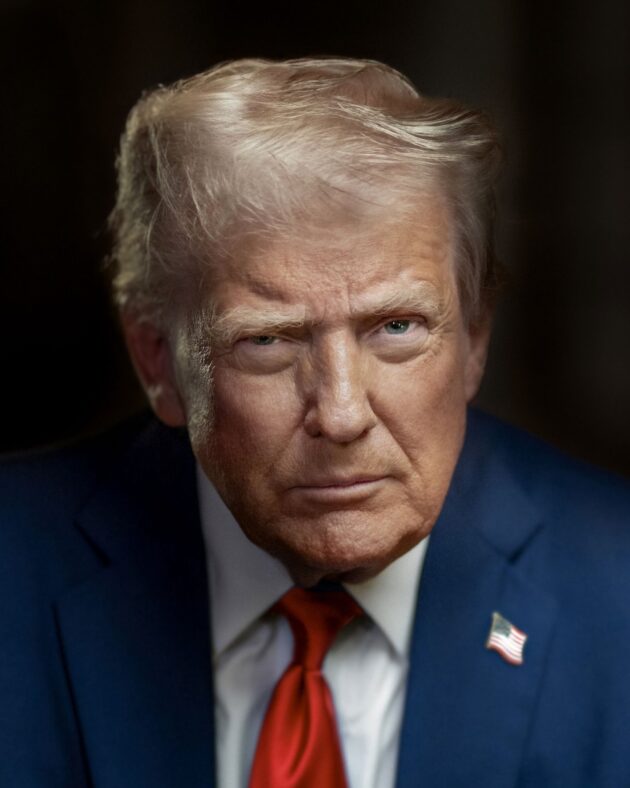
Daniel Torok/Wikimedia Commons
President Donald Trump’s recent promise to impose sweeping regulations on artificial intelligence technology has sparked widespread mockery and raised serious legal questions. Announced during a rally in North Carolina last week, Trump vowed to “completely control AI” and punish companies that don’t comply, a statement that experts say is both impractical and likely illegal under current U.S. law.
Trump’s AI Regulation Promise: What He Said
On September 20, 2026, during a campaign-style event in Raleigh, President Trump declared his administration would introduce “the strictest AI rules in American history.” He claimed that AI companies failing to comply with his directives would face “harsh penalties, including shutting down operations.” Trump touted this as a way to protect American jobs and national security, emphasizing the need to “bring AI under control before it gets out of hand.”
However, Trump’s announcement lacked specific policy details, timelines, or legislative backing, leading many to question its feasibility and seriousness. The promise was met with a mix of disbelief and ridicule on social media and among political commentators.
Legal Experts Weigh In: Likely Unconstitutional and Unenforceable
Legal scholars and technology policy experts have been quick to criticize Trump’s pledge as potentially unconstitutional and beyond presidential authority. Under the U.S. Constitution, significant regulatory powers over industries like AI typically require Congressional approval, not unilateral executive action.
“The president does not have the authority to unilaterally impose sweeping regulations or shut down private companies without due process,” said Dr. Linda Martinez, a constitutional law professor at the University of North Carolina. “Any attempt to do so would almost certainly face legal challenges and likely be struck down by the courts.”
Additionally, regulatory oversight of AI is currently managed by multiple federal agencies, including the Federal Trade Commission and the National Institute of Standards and Technology, which operate under established procedures requiring public input and legislative frameworks.
Tech Industry Reacts: Concern, Confusion, and Satire
Major AI companies headquartered across the U.S., including in North Carolina’s Research Triangle Park, reacted cautiously but critically. Many expressed concern about the potential chilling effect on innovation if vague and heavy-handed regulations were imposed without clear guidelines.
“We support responsible AI development but need transparent, collaborative policymaking,” said a spokesperson for a leading AI startup based in Durham. “Announcements like this sow confusion and fear among developers and investors.”
Meanwhile, social media users and satirists have seized on Trump’s vague promise, creating memes and jokes about “Trump’s AI police” and imagining scenarios where AI chatbots would be arrested for “disobedience.”
Political Implications Ahead of Midterms
Trump’s bold statement on AI regulation comes as Republicans seek to maintain momentum heading into the November 2026 midterm elections. While some conservative voters appreciate the tough stance on technology and job protection, others in the business community worry about regulatory overreach.
Democrats have criticized the promise as a distraction from more pressing issues and accused the White House of using AI fearmongering for political gain. With Republicans controlling the White House, Senate, and House, any serious AI legislation would require cooperation and detailed drafting, which observers say is currently absent.
In sum, President Trump’s AI regulation promise has drawn widespread mockery and faces significant legal hurdles. Whether the administration will follow through with a realistic policy remains unclear, but experts agree that unilateral action of the kind Trump suggested is unlikely to withstand legal or practical scrutiny anytime soon.