5 Economic Policies Set to Reshape Working-Class America in 2026
Discover 5 key economic policies poised to transform working-class lives in North Carolina and beyond in 2026.

PNW Production/Pexels
As 2026 approaches, new economic policies promise to reshape the landscape for working-class Americans, particularly in states like North Carolina. From wage reforms to infrastructure investments, these changes could redefine opportunity and stability for millions. Here are five policies to watch closely.
1. Expansion of the Earned Income Tax Credit (EITC)
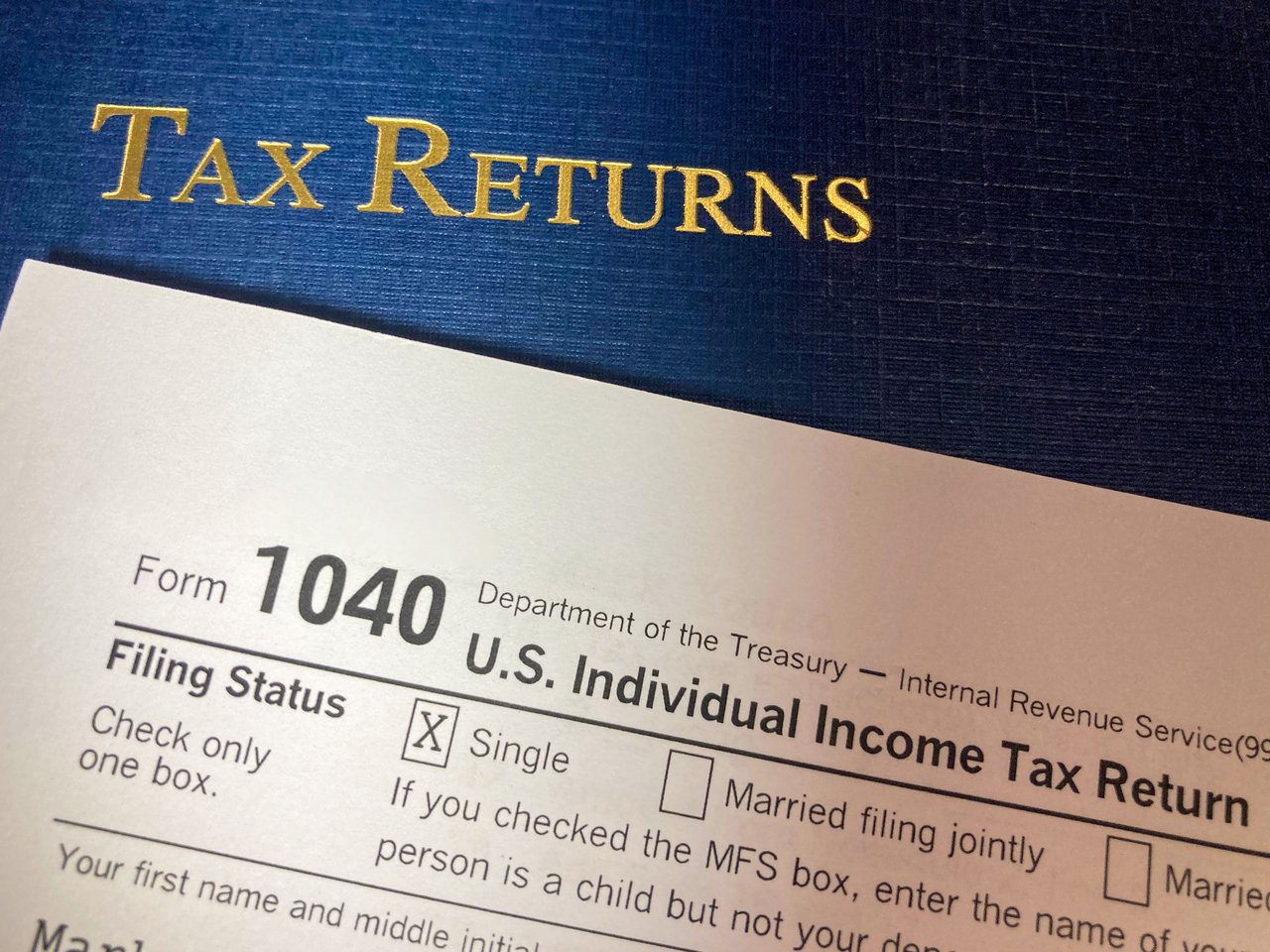
The federal government is planning to expand the Earned Income Tax Credit, targeting more working-class families by increasing eligibility thresholds and credit amounts. In North Carolina, this expansion means thousands of low- to middle-income households could see an average boost of $1,200 annually, providing a crucial financial lifeline. The policy aims to reduce poverty and incentivize work, especially benefiting single parents and part-time workers who have struggled under current limits.
2. State-Level Minimum Wage Increases
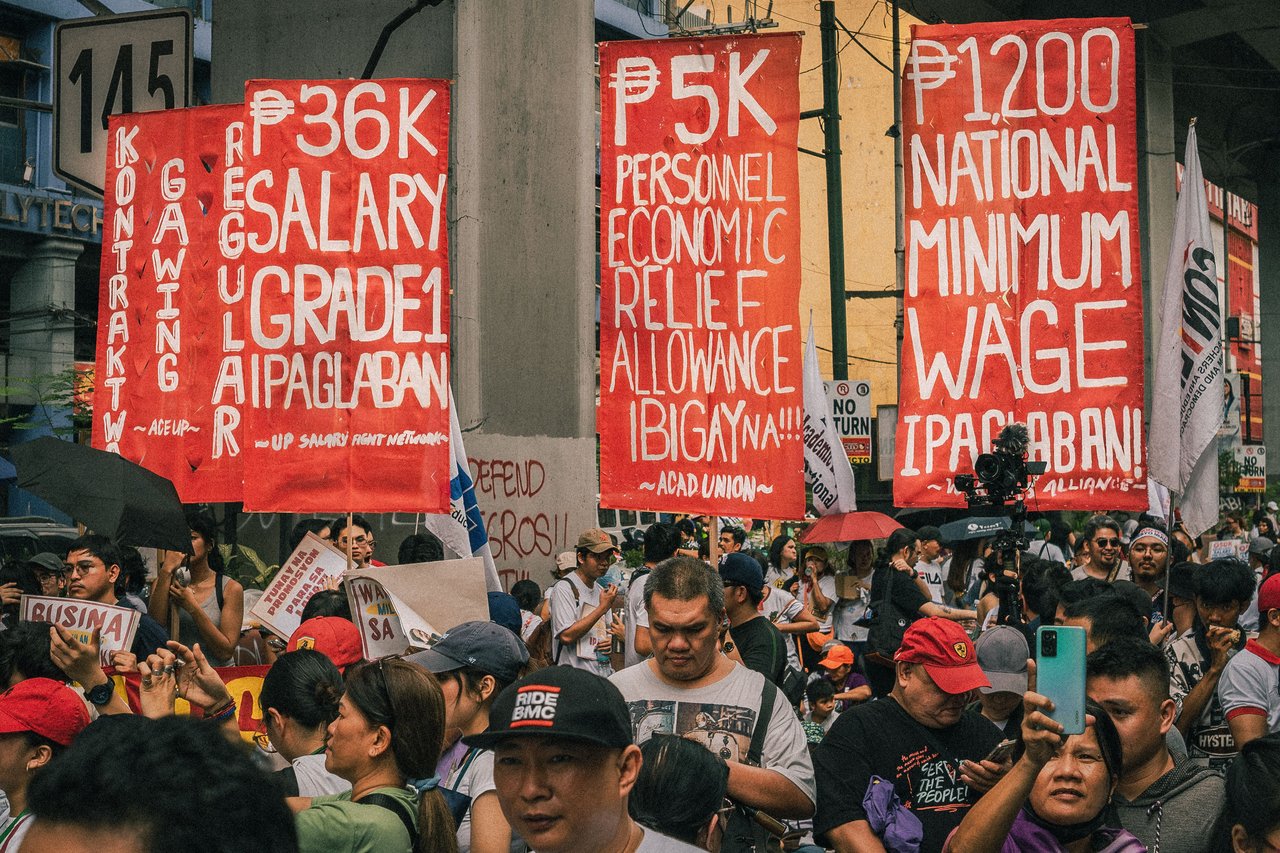
Several states, including North Carolina, are debating incremental minimum wage hikes set for 2026. Advocates argue that raising the minimum wage to $15 per hour would lift hundreds of thousands of working-class residents out of poverty. Opponents warn of job losses, but recent studies from the North Carolina Department of Commerce suggest that moderate increases could boost local economies without significant layoffs, especially in service and manufacturing sectors.
3. Investment in Workforce Training Programs

Federal and state budgets are earmarking billions for workforce development in 2026, focusing on upskilling workers in industries like advanced manufacturing, healthcare, and green energy. North Carolina’s community colleges are receiving new grants to expand vocational programs tailored to local employer needs. This approach is designed to help working-class Americans acquire skills for higher-paying jobs amid a rapidly evolving labor market.
4. Affordable Housing Initiatives

Housing affordability is a growing crisis for working-class families in North Carolina’s urban and rural areas. In 2026, new policies aim to increase funding for low-income housing tax credits and streamline zoning laws to encourage affordable housing development. These efforts could help reduce the housing cost burden that affects nearly 40% of working-class households, improving financial security and community stability.
5. Strengthening Labor Rights and Union Protections
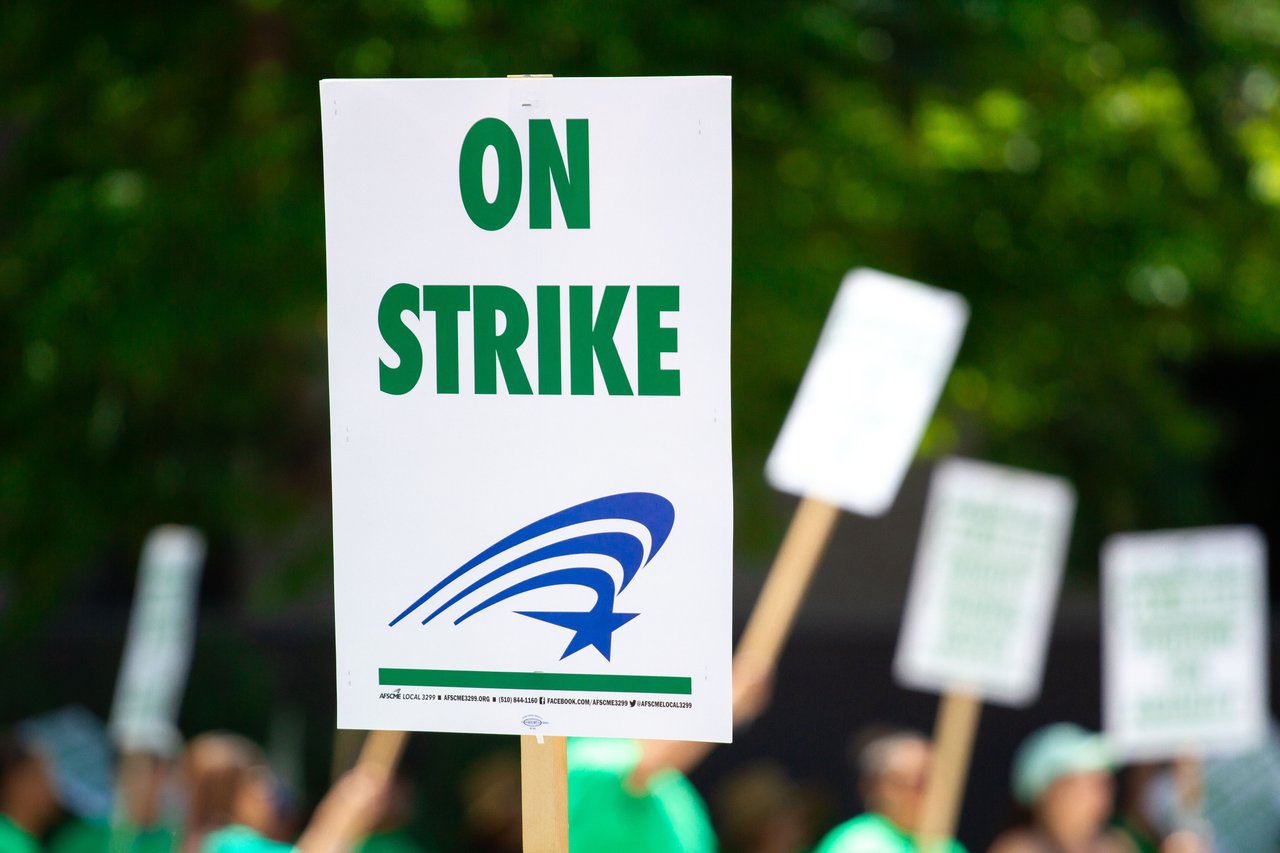
Policy proposals in 2026 include stronger protections for union organizing and collective bargaining, which could empower working-class employees across North Carolina’s key industries. Enhanced labor rights may lead to better wages, benefits, and workplace safety standards. The AFL-CIO has highlighted North Carolina as a battleground state where these changes could significantly shift the balance of power in favor of workers.
These five economic policies collectively offer a hopeful outlook for working-class Americans, particularly in North Carolina. While challenges remain, the coming year could mark a turning point in creating more equitable economic opportunities and improving quality of life.