NC Trans Athlete Ban Echoes SCOTUS Decision: What It Means Locally
Supreme Court ruling on transgender athletes in women’s sports reverberates in North Carolina, impacting local policies and dis…
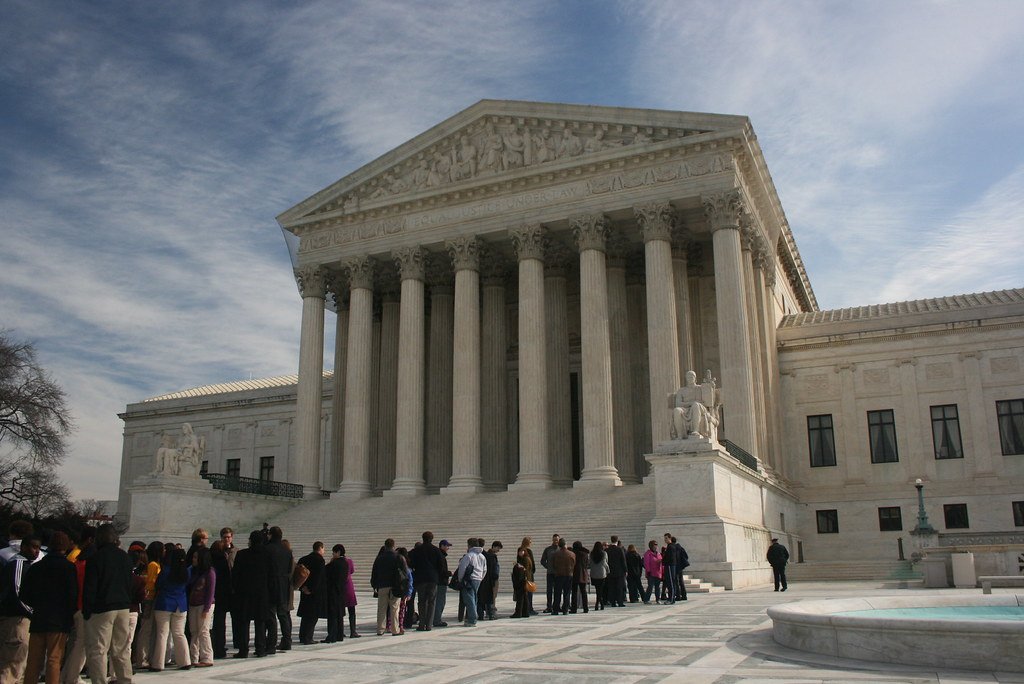
Supermac1961/Flickr
RALEIGH, NC – The recent Supreme Court’s decision to allow states to ban transgender athletes from competing in women’s sports has sent ripples across the nation, and North Carolina is no exception. This ruling, which does not involve a direct Supreme Court case on the matter but rather allows existing lower court rulings to stand and sets a precedent, empowers states to implement or maintain their own policies regarding transgender participation in athletics. For residents in Wayne County, Duplin County, and across the state, this decision brings into sharp focus the ongoing debate about inclusivity, fairness, and the definition of sex in sports.
The Legal Landscape and North Carolina’s Position
While the Supreme Court did not issue a ruling directly on a specific transgender sports ban case, its decision to deny review of a lower court’s decision effectively signals its deference to state-level legislative and policy-making authority on this issue. This allows existing or future state laws restricting transgender athletes in women’s sports to remain in effect. North Carolina has seen its share of legislative proposals and debates surrounding this topic. Previously, the state has considered and, in some instances, enacted policies that align with restricting transgender women and girls from participating in women’s sports, often citing concerns about competitive fairness due to biological differences. The Supreme Court’s stance provides a clearer legal runway for such measures, potentially emboldening lawmakers to pursue or defend these restrictions.
Impact on Local Schools and Communities
The ramifications of this decision are most acutely felt at the local level, particularly within school districts in Wayne and Duplin counties and across North Carolina. School athletic associations and individual school boards will continue to grapple with how to implement or adapt their policies. For transgender student-athletes, this could mean continued uncertainty and potential exclusion from teams that align with their gender identity. Parents and advocacy groups on both sides of the issue are likely to see renewed energy. Discussions will intensify regarding the balance between protecting opportunities for cisgender girls and ensuring that transgender youth have the chance to participate in extracurricular activities, which are often seen as vital for social development and well-being. Local school administrators may face increased pressure to clarify or modify their existing athletic policies to align with or preemptively address potential state mandates or legal challenges.
Arguments for and Against Bans
The debate surrounding transgender athletes in sports often centers on competing interpretations of fairness and inclusion. Proponents of bans argue that biological differences between males and females, particularly those related to puberty, confer inherent athletic advantages that could compromise fair competition for cisgender women and girls. They often emphasize the importance of preserving a category for biological females to ensure their opportunities in sports are not diminished. Conversely, advocates for transgender inclusion argue that blanket bans are discriminatory and that policies should be based on individual circumstances, including hormone levels and other physiological factors, rather than solely on gender identity assigned at birth. They highlight the mental and social benefits of sports participation for all youth, including transgender individuals, and express concerns that such bans can lead to isolation and harm.
Broader Implications for North Carolina
Beyond the immediate impact on school sports, the Supreme Court’s decision on transgender athletes has broader implications for North Carolina’s social and political landscape. It underscores the ongoing tension between federal and state authority on civil rights issues and reflects a broader national trend of states asserting control over policies concerning gender identity. For businesses, organizations, and individuals in North Carolina, this ruling contributes to a complex and often contentious environment surrounding LGBTQ+ rights. The decision could influence future legislative agendas and public discourse on gender, equality, and the role of government in regulating these sensitive matters. As the state continues to navigate these issues, the legal and social implications will likely remain a significant point of discussion and activism.
The Supreme Court’s decision to permit state-level bans on transgender athletes in women’s sports has solidified the authority of North Carolina and other states to enact or maintain such policies. This development is poised to continue shaping discussions and policies within local school districts and across the state, impacting the athletic opportunities and experiences of transgender youth. The ongoing debate highlights the complex interplay of fairness, inclusion, and evolving understandings of gender in the realm of sports.