Judge Orders Trump to Surrender Financial Records in BBC Defamation Case
A federal judge ruled President Trump must provide detailed financial records tied to his defamation suit against the BBC.
Gedalia Vera/Wikimedia Commons
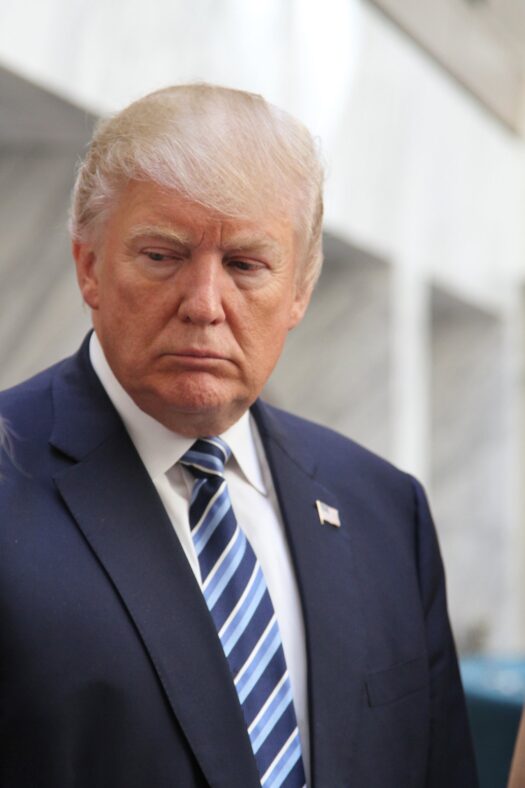
On July 21, 2026, a federal magistrate judge ruled that President Donald Trump must turn over extensive financial records linked to his defamation lawsuit against the BBC. The ruling opens the door for the British broadcaster to scrutinize the finances of over 400 companies owned by a Trump family trust, marking a significant development in a case centered on alleged reputational harm following a BBC documentary.
Judge’s Ruling Highlights Business Impact in Defamation Suit
U.S. Magistrate Judge Enjoliqué Lett emphasized during a lengthy hearing that Trump’s initial complaint had placed the health of his businesses at the forefront, allowing the BBC to seek information on his corporate finances. “All of President Trump’s brand, properties and businesses are impugned or said to have been impugned,” Lett said, noting that both reputational and economic damages were central to the lawsuit. Despite Trump’s legal team attempting to narrow the case to focus solely on reputational harm, the judge ruled she could not excise the business-related claims from the complaint.
Trump’s Legal Team Attempts to Limit Damage Claims
Trump’s attorneys shifted their legal strategy in recent weeks, backing away from earlier assertions that the BBC’s 2024 documentary caused economic harm to Trump’s companies. Instead, they now argue the lawsuit pertains only to damage to Trump’s personal reputation, specifically regarding how the BBC edited portions of his January 6, 2021 speech to suggest he encouraged violence, which Trump denies. Attorney Brito told the court that the damages being pursued are “limited in a way that is different from when the case was originally filed.” Nevertheless, Judge Lett found the narrowing insufficient to remove the business-related elements from the case.
Potential Appeal and Broader Legal Context
While the ruling represents a setback for Trump, he retains the option to appeal to U.S. District Court Judge Roy Altman, who was appointed by Trump during his presidency. Trump’s legal team declined to comment on whether an appeal will be filed. This decision comes amid a series of recent judicial rebukes of Trump’s lawsuits against media organizations. Earlier in 2026, judges dismissed suits against the Wall Street Journal and CNN as meritless, while a separate case against the BBC saw Trump’s legal team reprimanded for procedural errors.
Implications for Trump’s Business Privacy and Media Litigation Strategy
The judge’s ruling underscores the risks inherent in Trump’s aggressive litigation against media outlets, where seeking to protect his reputation can simultaneously expose his business dealings to scrutiny. The decision may serve as a cautionary reminder that defamation lawsuits involving public figures can lead to broad discovery demands, including financial disclosures. Legal experts suggest that the case could reveal details about the financial health and operations of the extensive Trump business empire, which has remained largely private.
Ongoing Legal Challenges for Trump
Trump’s legal troubles extend beyond defamation claims. In recent weeks, courts have challenged his handling of a “slush fund” for January 6 defendants and cautioned his attorneys for submitting fabricated AI-generated legal citations. Additionally, a case involving allegations against an Olympian vandalizing the Reflecting Pool has faltered amid conflicting evidence from White House lawyers. These developments illustrate the complex and multifaceted legal battles facing Trump as he remains a prominent figure in national politics and business.
As the BBC defamation case moves forward, the demand for Trump’s financial records marks a pivotal moment that could have lasting consequences for both the president’s legal strategy and the scrutiny of his business empire.