NYC Mayor Mamdani Faces Backlash Over ‘Israel Not a Place’ Remarks
New York City Mayor Zohran Mamdani draws criticism after resurfaced remarks denying Israel as a country, fueling debate on Jewish relations.
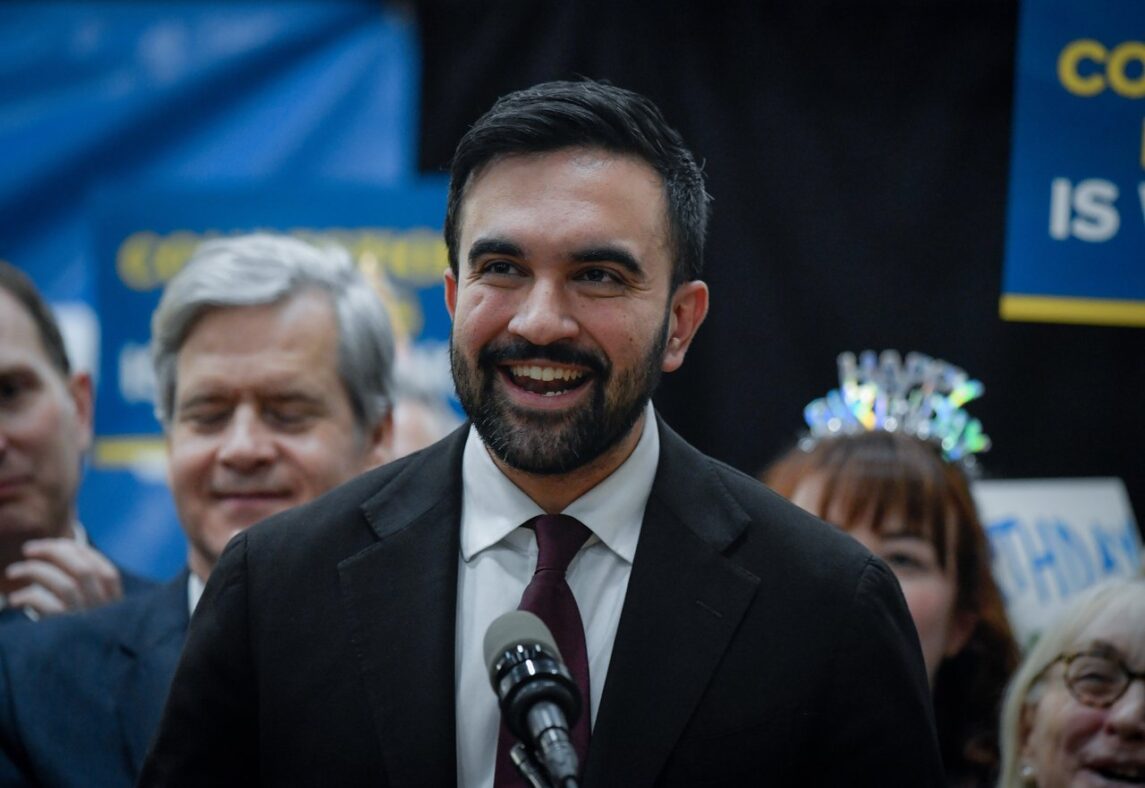
Metropolitan Transportation Authority/Wikimedia Commons
New York City Mayor Zohran Mamdani is once again under fire after a resurfaced interview clip from 2025 in which he stated, “Israel is not a place, it is not a country.” The remarks have sparked renewed backlash from Jewish organizations and political opponents, intensifying an ongoing debate over his stance on Israel and its implications for the city’s diverse Jewish community. As New York hosts the largest Jewish population outside Israel, Mamdani’s comments carry significant local political weight.
Background of the Controversy
The controversy reignited this month when opponents circulated a clip from a June 17, 2025, interview on The Bulwark podcast. In the discussion, Mamdani questioned traditional narratives around Israel, emphasizing his view that many see “Israel is not a place” or a legitimate country. Critics argue this language undermines the legitimacy of the State of Israel and alienates Jewish residents who view the country as central to their identity.
This is not Mamdani’s first encounter with criticism related to Israel. During the 2025 mayoral campaign, his refusal to explicitly affirm Israel’s right to exist as a Jewish state drew sharp rebuke from major Jewish groups. At a May 22, 2025 town hall hosted by UJA-Federation of New York and JCRC-NY, Mamdani instead framed his position around equal rights for all citizens, a stance that some Jewish organizations labeled inadequate for a New York leader.
Local Political Stakes and Jewish Community Response
New York City’s Jewish community, one of the largest and most politically active in the world, closely monitors elected officials’ positions on Israel. Jewish organizations including the UJA-Federation and the American Jewish Congress have expressed persistent concerns about Mamdani’s rhetoric. After his election, these groups publicly pledged to hold the mayor accountable on issues affecting Jewish life, signaling that Israel-related discourse remains a critical point of engagement.
Some elected officials and Jewish leaders emphasize that the debate transcends foreign policy, touching on questions of identity, communal safety, and New York’s social fabric. The city’s long history of intertwining local politics with Israel policy means Mamdani’s statements carry unique local resonance compared to other U.S. cities.
Mamdani’s Broader Position on Israel and Palestine
Mamdani’s comments reflect a broader pattern of criticism against Israeli government policies and support for Palestinian rights. He has publicly endorsed the Boycott, Divestment, and Sanctions (BDS) movement, advocating for equal rights and opposing any state that privileges one religious or ethnic group over others. This approach has drawn criticism not only from Jewish organizations but also from some Democratic figures who fear it blurs the line between legitimate policy critique and denial of Jewish self-determination.
Despite this criticism, Mamdani retains support from segments of the Democratic coalition, including some Jewish voters who prioritize social justice issues or share his emphasis on equal rights. The ongoing debate centers less on whether criticism of Israel is valid and more on how such criticism is framed and interpreted.
Impact on City Hall and Future Prospects
Since taking office, Mayor Mamdani has maintained his established views without significant shifts, continuing to emphasize equal rights while facing scrutiny over his language. No recent polling has specifically measured the impact of the resurfaced remarks on his standing with Jewish voters, but the issue remains a persistent factor in City Hall politics.
Observers expect the Israel debate to remain a fixture in New York’s political landscape, particularly given the city’s demographic makeup and the sensitivity of the topic. Mamdani’s ability to balance his positions on Israel and Palestine while addressing the concerns of New York’s Jewish community will likely shape his political trajectory and influence local governance.
As the controversy unfolds, it highlights the broader national conversation on Israel, antisemitism, and Palestinian rights, with New York City serving as a critical battleground where identity, politics, and international issues intersect.